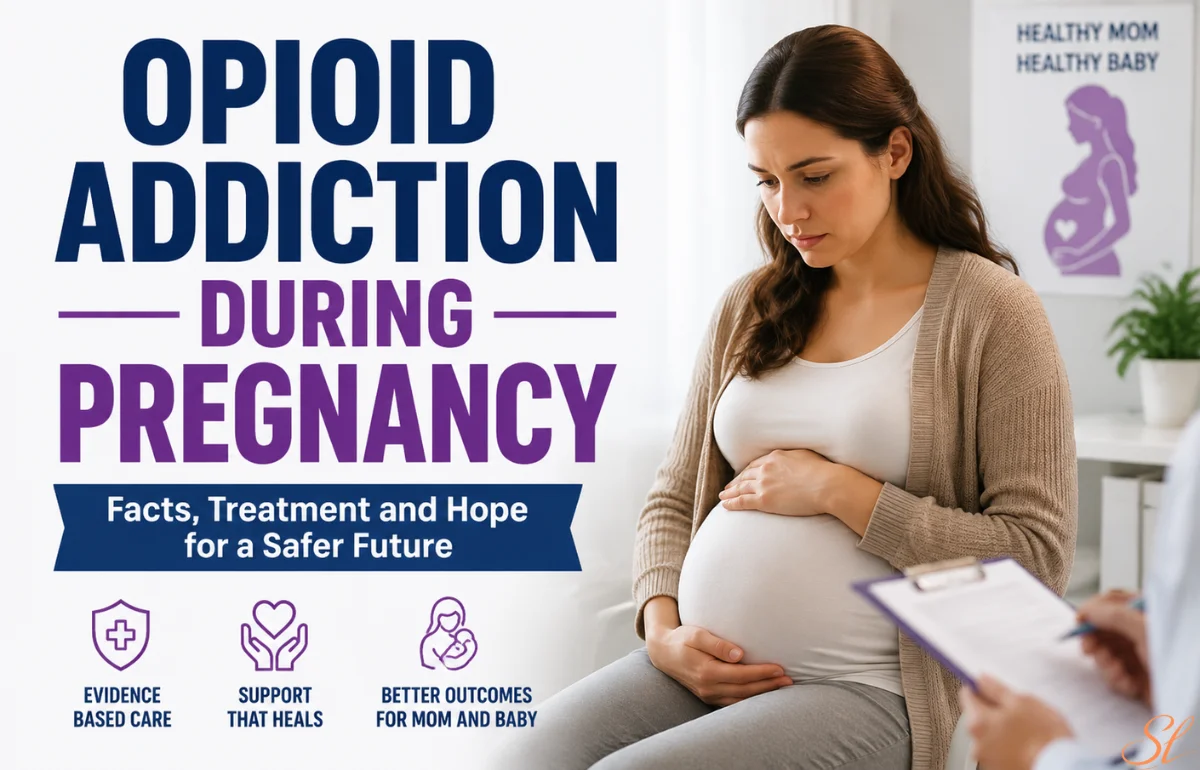
She discovered the pregnancy eight weeks in. She had been stable on buprenorphine for two years, working, rebuilding her life. The first provider she consulted told her the medication would harm her baby, and she should taper off immediately. The second told her continuing medication was essential and discontinuing would be dangerous. The conflicting advice left her paralyzed with fear while carrying a pregnancy she desperately wanted but had no idea how to manage safely.
Opioid use disorder during pregnancy creates clinical complexity that healthcare systems navigate poorly. The pregnant woman with addiction encounters moral judgment masquerading as medical advice, conflicting recommendations from providers who disagree fundamentally, and child welfare involvement that may punish her for seeking help. The stakes could not be higher, and the guidance could not be more confused.
The Medical Reality
Medication-assisted treatment during pregnancy is the standard of care supported by ACOG, SAMHSA, and major medical organizations. The evidence is clear: continued medication is safer for mother and fetus than medication discontinuation.
Withdrawal during pregnancy carries risks that abstinence ideology ignores. The physiological stress of withdrawal can trigger preterm labor, fetal distress, and miscarriage. The mother who successfully withdraws faces relapse risk that puts both her life and her pregnancy at risk. The unmedicated pregnant woman with opioid use disorder is at higher risk than the medicated one.
Neonatal abstinence syndrome, the withdrawal that newborns experience when born to opioid-dependent mothers, occurs with both medication-assisted treatment and illicit opioid use. It is manageable, treatable, and not a reason to avoid medication that keeps mothers stable and engaged in prenatal care. The syndrome’s existence does not make medication during pregnancy wrong.
Buprenorphine and methadone, the two medications used for opioid use disorder during pregnancy, have decades of safety data. Neither is without risk, but both are safer than untreated addiction. The choice isn’t between medication and no risk; it’s between medication and the much greater risks of uncontrolled opioid use.
“The evidence supporting medication-assisted treatment during pregnancy is unambiguous, yet pregnant patients still encounter providers who tell them to stop their medications,” says Dr. Rab Nawa Khan. “The advice to taper off buprenorphine or methadone during pregnancy isn’t evidence-based. It reflects stigma, not science. Women following that advice face withdrawal risks, relapse risks, and worse outcomes for themselves and their babies than women who continue medication with appropriate monitoring.”
The Judgment Burden
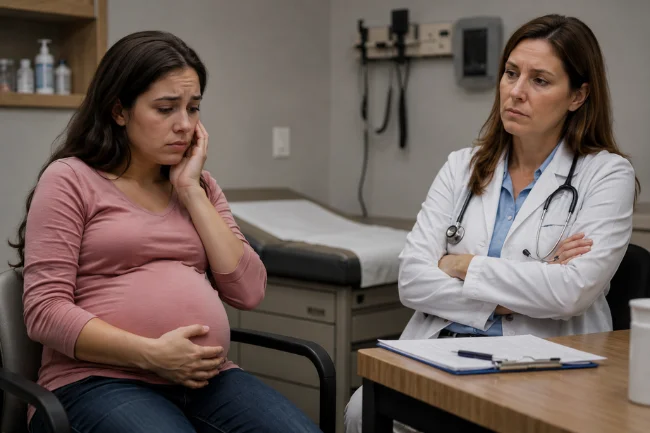
Pregnant women with addiction face moral scrutiny that other medical conditions don’t attract. The diabetes that affects pregnancy receives medical management. The addiction that affects pregnancy receives moral condemnation dressed as concern for the fetus.
Healthcare providers aren’t immune to this moralizing. Studies document that providers treat pregnant women with substance use disorders differently, more punitively, and with less compassion than other patients. The judgment is often implicit, communicated through tone and demeanor rather than explicit statements, but patients perceive it clearly.
The fear of judgment keeps women from seeking care. The pregnant woman who knows she’ll face condemnation may delay prenatal care, avoid disclosing substance use, or disengage from treatment entirely. The outcomes worsen when judgment drives patients away from the care they need.
Child protective services involvement looms over every interaction. Depending on jurisdiction, substance use during pregnancy may trigger investigation, mandatory reporting, or infant removal at birth. The woman who discloses her addiction to receive help may lose her baby because of that disclosure.
“Pregnant women with addiction face a healthcare environment where seeking help can lead to losing their children, which creates exactly the wrong incentives,” says Jessica Tate. “We want these women engaged in treatment, receiving prenatal care, being honest with providers. Instead, we’ve created systems where honesty is punished, and concealment is rational. The child welfare involvement that’s supposed to protect children often drives mothers away from the care that would actually produce better outcomes.”
The Provider Inconsistency
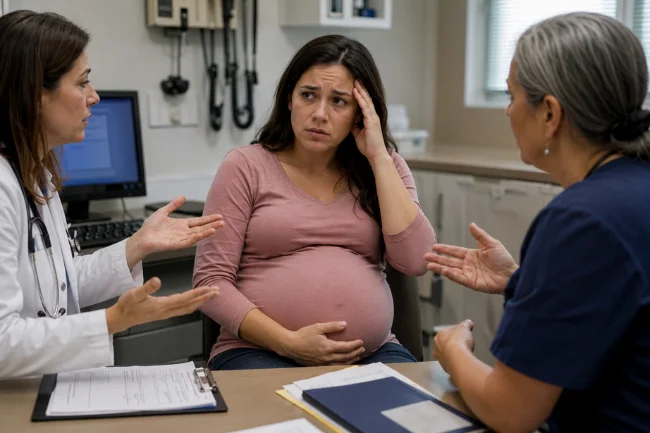
The pregnant woman seeking addiction treatment may receive dramatically different recommendations depending on which provider she encounters. The lack of consistent guidance leaves patients navigating contradictions without the expertise to evaluate competing claims.
Some providers recommend buprenorphine as the preferred medication during pregnancy. Some recommend methadone. Some recommend against medication entirely despite guideline recommendations. The patient hears different things from different sources and cannot determine whose advice to follow.
Obstetric providers may be unfamiliar with addiction medicine. Addiction medicine providers may be unfamiliar with obstetric considerations. The two specialties must collaborate for optimal care, but collaboration requires relationships and communication patterns that don’t exist in many settings.
Hospital policies for delivery vary widely. Some institutions support continued medication-assisted treatment through delivery and postpartum. Others require medication discontinuation before admission. The patient may not know what to expect until she’s in labor.
The Postpartum Vulnerability

The highest risk period for relapse and overdose is postpartum. The hormonal changes, sleep deprivation, and stress of new parenthood combine with physiological vulnerability to create a danger window that extends months beyond delivery.
Continued medication-assisted treatment postpartum is essential for women who were on medication during pregnancy. Discontinuing medication after delivery exposes mothers to relapse risk at precisely the moment when infant care demands stability. The mother who relapses may lose the child she carried safely to term.
Breastfeeding while on medication-assisted treatment is generally considered compatible with treatment. The amount of medication transferred through breast milk is minimal. The benefits of breastfeeding may outweigh the minimal exposure. Yet providers sometimes advise against breastfeeding based on outdated concerns.
Mental health support during the postpartum period addresses risk factors beyond addiction. Women with substance use histories may benefit from trauma-informed care and continued emotional support.
The Systemic Solutions
Improving outcomes for pregnant women with addiction requires systemic changes that individual provider education cannot accomplish.
Integrated care that brings obstetric and addiction services together ensures that pregnant patients receive coordinated rather than conflicting guidance. The clinic where both specialties are available eliminates the fragmentation that currently confuses patients.
Policy reform that protects rather than punishes women who seek treatment would improve treatment engagement. Laws that mandate reporting or criminalize substance use during pregnancy drive women away from care. Alternatives that incentivize treatment engagement produce better outcomes for mothers and infants.
Training that addresses provider bias directly may reduce the judgment that patients experience. The implicit biases that affect care delivery can be surfaced and addressed, though cultural change proceeds slowly.
She eventually found a high-risk obstetric practice with integrated addiction services. The providers understood that her buprenorphine was protecting, not harming, her pregnancy. She delivered a healthy baby who experienced mild, manageable neonatal abstinence syndrome and recovered fully. She continued her medication postpartum and remained stable through the vulnerable early parenting months. The outcome she feared didn’t occur because she finally received care that followed evidence rather than ideology.

Elena Whitmore is a parenting writer with 7 years of experience covering child development, family wellbeing, and everyday parenting. She translates research into practical guidance to help parents strengthen family relationships and support their children’s emotional and physical development.