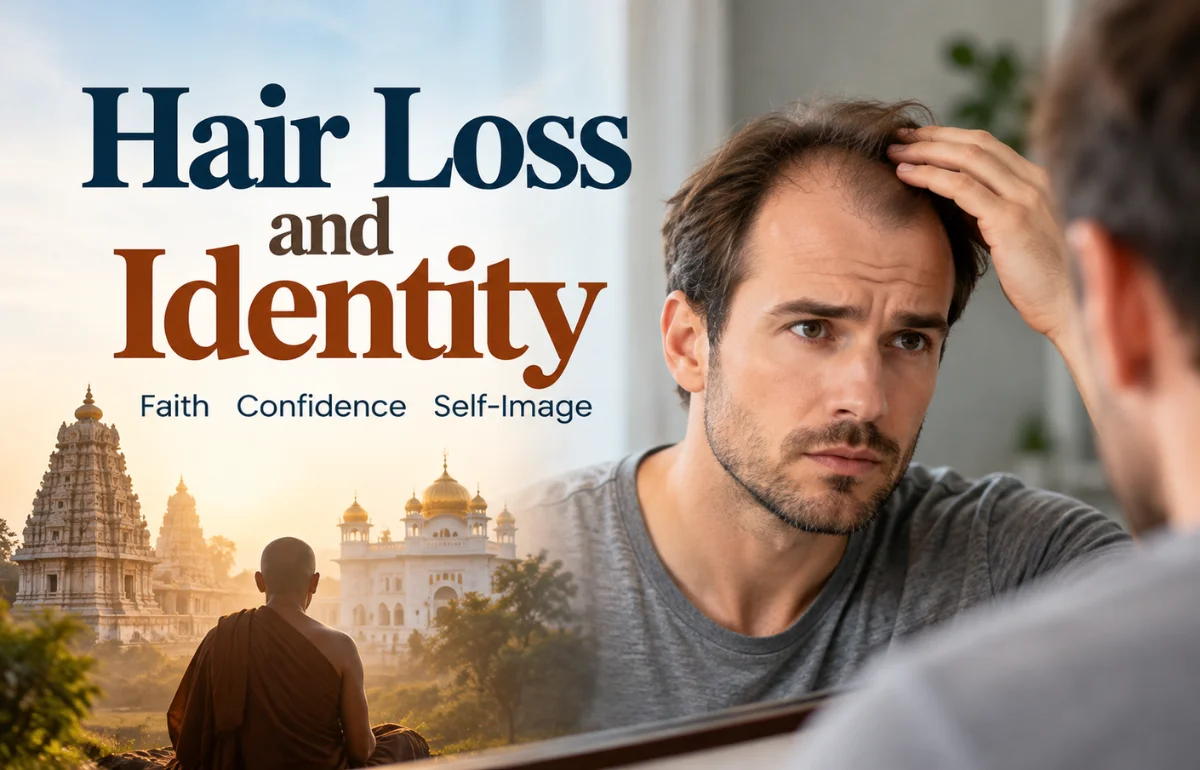
Hair carries deep meaning in many spiritual traditions, which is one reason losing it unexpectedly can feel so personal. In Hindu culture, a child’s first haircut is marked with a sacred ceremony and devotees offer their hair at temples as an act of surrender. In Sikhism, uncut hair is an article of faith. When hair is given or shaved by choice, it becomes a powerful symbol. When it thins or falls out without choice, it can affect confidence, identity and wellbeing. Understanding both sides helps people approach hair loss with compassion and explore modern treatment options if they wish.
Hair can be an offering, a symbol or simply part of how we see ourselves.
The Place of Hair in Spiritual Traditions
Across faiths and cultures, hair is often linked to devotion, purity and identity:
- Mundan ceremony: In many Hindu families, a child’s head is shaved in an early-life ritual believed to cleanse and bless them.
- Temple offerings: At the Tirumala Venkateswara Temple in Andhra Pradesh, large numbers of devotees offer their hair as a gesture of gratitude and humility.
- Kesh in Sikhism: Keeping hair uncut is one of the five articles of faith, reflecting respect for creation.
- Mourning rituals: In some traditions, shaving the head is part of honouring a loved one who has passed away.
- Monastic life: Monks in several traditions shave their heads as a sign of renunciation and simplicity.
In each case, hair carries meaning beyond appearance, connected to spiritual life and community.
Meaningful Choice Versus Involuntary Loss
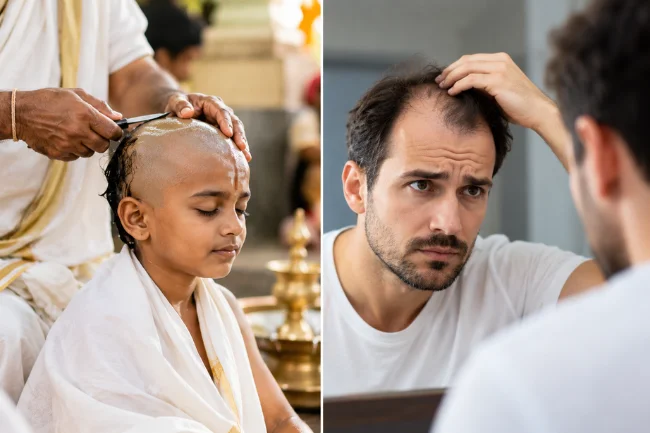
There’s an important difference between choosing to give up hair and losing it without wanting to. A devotional offering or ritual shaving is intentional, symbolic and often celebrated. Hair loss caused by genetics, stress or illness can feel like something taken away.
That difference explains why people who happily shaved their heads for a ritual may still feel distressed when hair begins thinning later in life. The emotional response isn’t vanity. It reflects how closely hair is tied to identity, age and self-image.
The Emotional Impact of Hair Loss
Thinning hair can affect people in many ways:
- Lower confidence in social or professional situations
- Feeling older than one’s age
- Self-consciousness in photos or at family gatherings
- Worry about others’ opinions
- Avoidance of activities like swimming or windy outdoor events
- Frustration or sadness as hair continues to change
These feelings are common and valid. Recognising them is often the first step toward deciding what, if anything, to do about hair loss.
Common Causes of Hair Loss in Men
For men, hair loss is often linked to:
- Male pattern baldness, a genetic condition causing a receding hairline and thinning on the crown
- Stress-related shedding, which may follow illness, surgery or major life events
- Traction damage, caused by tightly tied hair or turbans worn in the same position for long periods without adjustment
- Medical issues, including thyroid problems or nutritional deficiencies
- Certain medications that list hair loss as a side effect
A proper assessment helps identify the cause and guide treatment choices.
Modern Hair Restoration Options
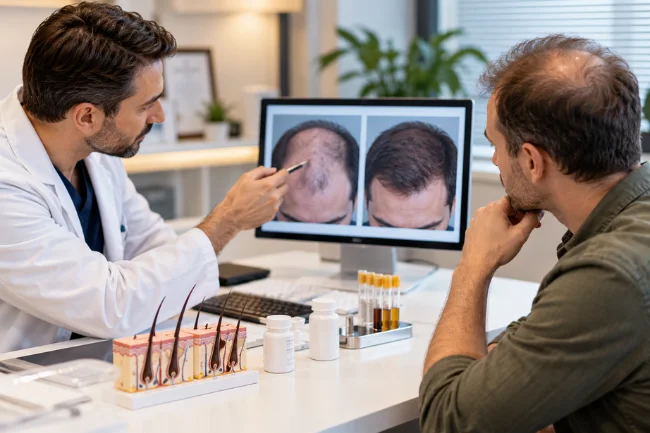
Today, people have more options than ever for managing hair loss. These typically include:
- Medication: Treatments such as minoxidil and, for men, finasteride can help slow hair loss and support regrowth.
- Platelet-rich plasma: PRP uses components of a patient’s own blood to help stimulate hair follicles.
- Hair transplant surgery: Techniques such as FUE and DHI move healthy follicles from a donor area to thinning regions.
- Scalp micropigmentation: A cosmetic tattooing technique that creates the appearance of fuller hair or a closely shaved look.
- Lifestyle support: Managing stress, eating a balanced diet and treating underlying health issues can support healthy hair.
Specialist clinics such as Harley Street Hair Clinic in London assess the pattern of hair loss, the condition of the donor area and personal goals before recommending treatment. For patients whose faith or cultural practices involve hair, such as keeping hair uncut or wearing a turban, it’s worth discussing these needs openly so any plan fits comfortably with daily life and beliefs.
Balancing Acceptance and Action
Some people choose to embrace thinning hair, finding peace in accepting natural change. Others prefer to treat it and feel more like themselves again. Both choices are valid.
Spiritual traditions often encourage acceptance, gratitude and inner reflection, but they don’t require ignoring personal wellbeing. Caring for your appearance and confidence can sit comfortably alongside faith and humility. What matters most is making a decision that feels right for you.
More Than Just Hair
Hair holds meaning in rituals, faith and personal identity. When it’s offered or shaved by choice, it becomes a symbol of devotion. When it’s lost unexpectedly, it can bring emotional challenges that deserve understanding.
Whether you choose acceptance, treatment or a combination of both, approaching hair loss with compassion and good information helps you move forward with confidence and peace of mind.
🛡 Medical Disclaimer
This article is for informational purposes only and is not medical advice. Hair loss treatments may not suit everyone. Consult a qualified healthcare professional before starting any treatment.

Natalie Brooks is a hair care writer with 6 years of experience creating practical content about hair health, scalp care, hair routines, ingredients, and everyday maintenance. She focuses on helping readers understand their hair needs through simple, research-informed guidance while promoting realistic care practices and informed choices.