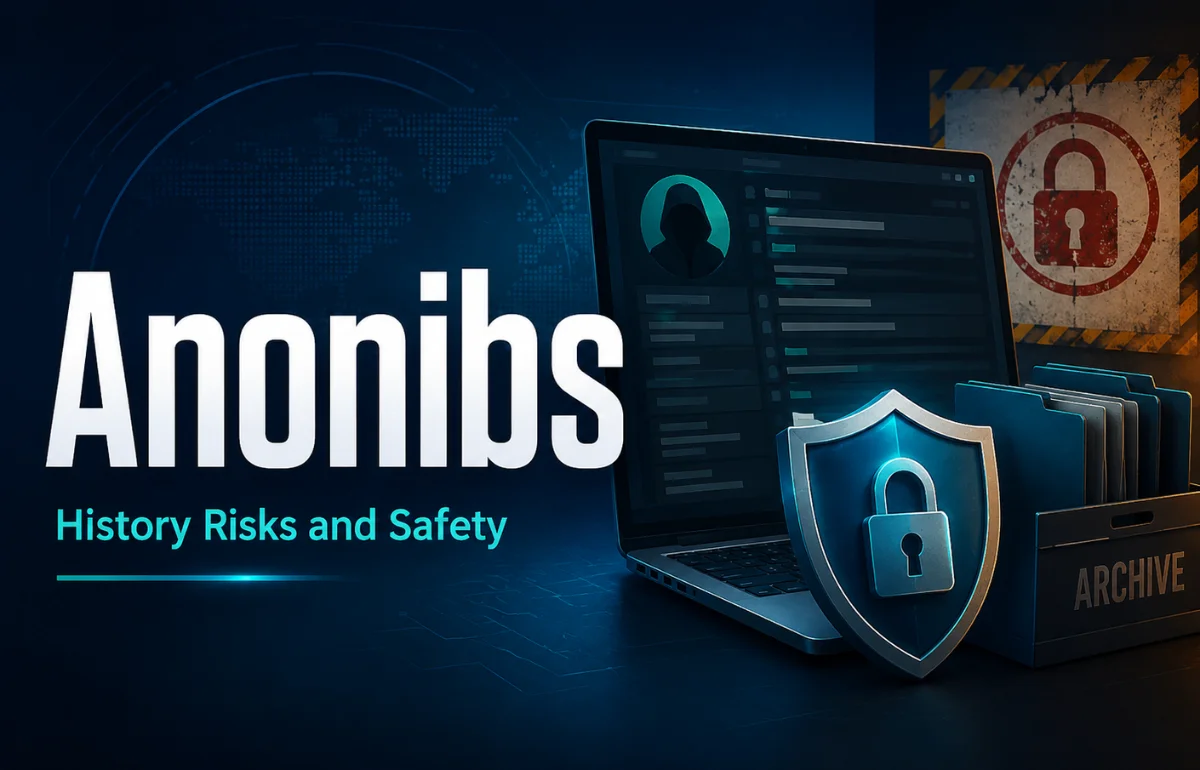
Anonibs is a search term commonly associated with Anon-IB, an anonymous imageboard that became widely known for hosting and sharing intimate images, including material posted without the subjects’ consent. The historical platform operated through anonymous discussion and image-sharing boards rather than conventional social-media profiles.
When I researched Anonibs, I found an important distinction that many articles blur: established reporting refers to the original platform primarily as Anon-IB. The pluralized term “Anonibs” is now often used around searches for the old site, archives, regional variations, alleged replacements, and similarly named forums. That does not mean every website using an Anon-IB-style name is connected to the original platform.
The original Anon-IB was seized by Dutch authorities in April 2018 as part of an investigation into criminal activity connected with the forum. Later attempts to revive the name appeared online, but reporting found no solid reason to assume those sites were operated by the original people.
That history matters if you are trying to understand what Anonibs actually means today.
What Is Anonibs?
The simplest way I would describe Anonibs is this: it is not a conventional social network, messaging app, or privacy service.
The term is closely connected with the history and naming of Anon-IB, an anonymous imageboard where people could create discussions and share images without building the public identities normally associated with Facebook, Instagram, or similar platforms.
Anonymous imageboards generally organize conversations into boards and threads rather than personal profiles. Posts can therefore appear disconnected from a person’s real-world identity, although anonymous posting should never be confused with guaranteed technical anonymity.
In the sources I reviewed, reputable historical reporting consistently uses “Anon-IB” when referring to the original platform. That makes it useful to think of “Anonibs” as a broader modern search term rather than automatically assuming it identifies one official, continuous service.
Anonibs and Anon-IB: Are They the Same Thing?
They are closely related terms, but I would not treat them as automatically interchangeable in every situation.
This distinction is more than a spelling issue.
A domain can copy a familiar name, visual design or community terminology without sharing the original site’s ownership, history or infrastructure.
I therefore recommend judging any current claim about an “official Anonibs site” by evidence rather than branding alone.
What Was the Original Anon-IB Used For?
Anon-IB developed a reputation that went far beyond ordinary anonymous conversation.
Contemporary reporting documented extensive sharing of intimate photographs without consent, along with discussions linked to obtaining or requesting private images. The board was consequently frequently described as a revenge-porn or non-consensual intimate-image forum.
The term “revenge porn” is still widely recognized, but I prefer the more precise phrase non-consensual intimate imagery, or NCII. An image does not have to be uploaded by a vengeful former partner for its distribution to violate someone’s privacy and consent.
That distinction also helps explain why Anon-IB’s history cannot be reduced to a story about anonymous free speech.
Anonymity was part of how the platform worked, but the consequences of what users did with that anonymity are central to understanding its reputation.
A Short History of Anon-IB
A timeline makes the history easier to separate from the many similarly named pages that appeared later.
Dutch police displayed a seizure notice after taking control of the forum in April 2018. Contemporary reports also described arrests connected with the investigation.
One point I would keep firmly in mind is that a later site using the same name does not reverse that shutdown.
Does the Original Anon-IB Still Exist?
The original Anon-IB that became notorious during the 2010s was seized by Dutch authorities in 2018.
Sites, archives or communities subsequently using Anon-IB-related branding should therefore not automatically be described as the original service.
In 2020, VICE reported on an attempted revival that reproduced the Anon-IB name and appearance. The reporting indicated that it was unlikely to have been run by the same people responsible for the original platform.
This is where I think some online guides create unnecessary confusion. They list regional versions or current domains as though all of them belong to a documented Anonibs network.
Without verifiable ownership records or credible reporting establishing those relationships, that conclusion is too strong.
What Are Anonib Archives?
People searching for Anonibs also encounter the phrase “Anonib archive.”
An archive generally means a collection of older posts, pages, images or discussions preserved after their original source changed or disappeared. Archives can be created by site operators, automated web crawlers or unrelated third parties.
However, an archive is not necessarily an official historical record.
With a platform that was associated with non-consensual intimate imagery, archives raise additional concerns. Republishing material can prolong the harm caused by the original upload, and preserved content may contain personal information, misleading attribution or illegal material.
For that reason, I would not treat an Anonib archive like an ordinary historical message-board archive.
Researchers can often learn more safely from contemporary journalism, legal records and reputable digital-rights reporting without accessing questionable collections of old user material.
Why Did Anonymous Imageboards Become Popular?
Anon-IB belonged to a broader internet culture in which imageboards offered a different experience from identity-focused social media.
Users were attracted to features such as limited public profiles, temporary conversations, niche discussion boards and fewer expectations around maintaining a permanent personal identity.
There are legitimate reasons someone may prefer pseudonymous or anonymous communication. Whistleblowers, people discussing sensitive health issues, political dissidents and users separating personal identities from online hobbies may all value privacy.
But anonymity itself does not make a community safe.
The lesson I take from Anon-IB’s history is that privacy tools, community moderation and user behavior are three separate issues. A platform can minimize public identity while still developing serious abuse problems if harmful behavior is tolerated.
Is Anonibs Safe?
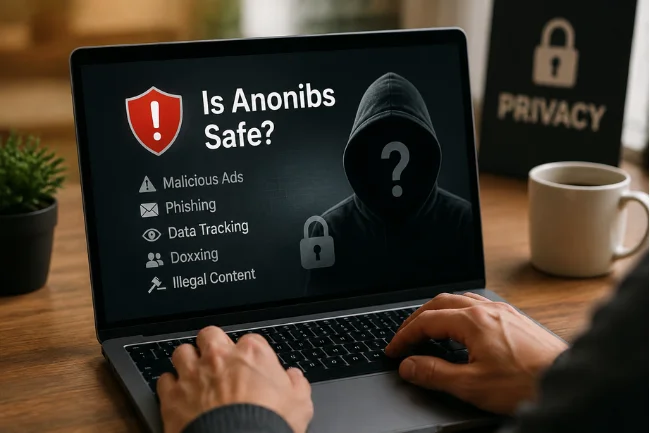
I would be skeptical of any simple claim that Anonibs or an Anon-IB-style website is “safe.”
A website can expose visitors to several different kinds of risk even when registration is unnecessary.
Possible concerns include malicious advertisements, deceptive download buttons, phishing, credential theft, browser tracking, doxxing, disturbing material and links to content whose distribution may be unlawful.
There is another misconception worth clearing up: anonymous posting does not guarantee that a user is technically untraceable.
Websites, hosting providers, browsers and other infrastructure can generate different types of logs or identifiers. Privacy is better understood as a spectrum than as an on/off switch.
For ordinary users, I would prioritize established, moderated communities with transparent privacy policies instead of trusting a service simply because it advertises anonymous posting.
The Legal and Ethical Problem With Non-Consensual Images
Consent changes the entire picture.
Someone may have willingly taken or privately shared an intimate photo while never consenting to its publication on a public forum. Permission to create an image is not automatically permission to distribute it.
Laws vary by jurisdiction, so specific legal questions require local advice. However, governments have increasingly addressed the non-consensual distribution of intimate imagery and digitally altered sexual images.
In the United States, for example, the TAKE IT DOWN Act has created federal consequences for certain non-consensual intimate imagery, including qualifying AI-generated sexual depictions. U.S. Justice Department cases in 2026 show the law being actively used in prosecutions.
That legal environment is another reason an authoritative discussion of Anonibs needs to cover more than anonymity technology.
What to Do If Your Images Appear on an Anon-IB-Style Site
If intimate material involving you has been shared without permission, I would focus first on preserving evidence and limiting further distribution rather than confronting anonymous posters.
Record relevant URLs, dates and screenshots where doing so is safe. Then check whether the hosting platform, search engine or service involved provides an NCII reporting process.
Google currently allows people to request removal of qualifying non-consensual explicit or intimate content from its services and search results. Removing a result from Google does not necessarily remove the source webpage, but it can reduce discoverability.
StopNCII.org offers another useful option for eligible adults. Its system creates a digital fingerprint, called a hash, on the person’s device rather than uploading the intimate image itself. Participating platforms can use that hash to help identify matching material.
For broader support, the Cyber Civil Rights Initiative maintains resources for people affected by image-based sexual abuse, including international support information.
If the material depicts someone under 18, it should be treated differently from adult NCII because sexually explicit imagery involving minors may constitute child sexual abuse material.
How I Evaluate Claims About New Anonibs Sites
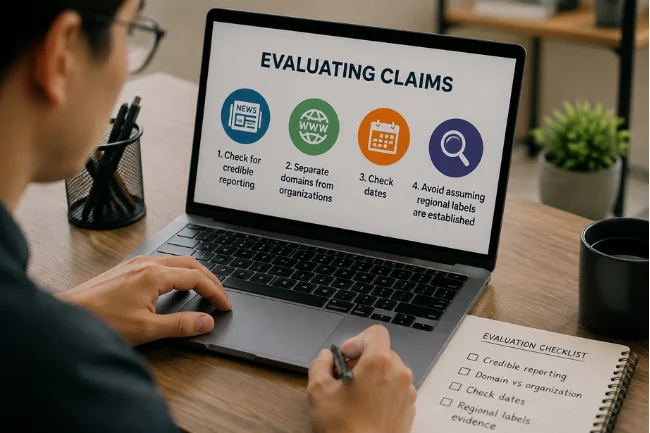
While researching this topic, I found that the hardest part is not understanding the old Anon-IB. Its history is comparatively well documented.
The harder question is deciding what modern pages using similar names actually represent.
I use four checks:
First, I look for credible reporting connecting the site with the historical platform.
Second, I separate domain names from organizations. A familiar-looking URL or logo proves very little about ownership.
Third, I check dates. Articles written before or shortly after the 2018 seizure may describe a situation that no longer exists.
Finally, I avoid treating regional labels as established communities unless there is independent evidence supporting the claim.
This approach prevents an easy SEO mistake: turning search-keyword variations into supposed facts about a platform’s structure.
Anonibs, Privacy and Anonymous Communities Are Not the Same Topic
Anonibs is often discussed alongside VPNs, Tor, encrypted messaging and digital privacy. Those subjects are related only at a broad level.
A privacy tool protects a particular part of someone’s communications or identity. An anonymous community is a place where people interact. A content policy determines what behavior that community permits.
Those concepts should not be collapsed into one idea.
Signal, for example, is designed around private communications. An anonymous imageboard is built around publishing or discussing material within a community. Their purposes, risks and moderation models are fundamentally different.
So if your real goal is private communication, Anonibs should not be treated as a substitute for a reputable privacy-focused service.
What Anon-IB’s History Teaches About Online Anonymity
The lasting lesson from Anon-IB is not that online anonymity is inherently harmful.
Anonymity can protect legitimate speech and personal privacy. At the same time, platforms need mechanisms for dealing with harassment, illegal material, privacy violations and abuse.
The distinction I find most useful is between anonymity and accountability.
A service can protect users from unnecessary public exposure while still maintaining rules, reporting systems and safeguards against harmful behavior. Those goals are not mutually exclusive.
Anon-IB became noteworthy because the balance failed in ways that caused real harm to people whose private images circulated without their consent.
FAQs About Anonibs
What is Anonibs?
Anonibs is a term associated with the historical Anon-IB anonymous imageboard and with later searches for related archives, copies or similarly named communities.
Is Anon-IB still active?
The original Anon-IB was seized by Dutch authorities in April 2018; later sites using its name should not automatically be considered the same operation.
Why was Anon-IB shut down?
Dutch cybercrime investigators seized the forum during an investigation involving criminal activity and the widespread sharing of non-consensual intimate material.
What is an Anonib archive?
An Anonib archive is generally a preserved collection of older forum material, but its authenticity, completeness and legality can vary depending on who created it and what it contains.
Are Anonibs websites safe to visit?
Safety cannot be assumed from the name alone; similarly branded sites may be unrelated and can present privacy, security, harmful-content or legal risks.
Final Take
If you searched for Anonibs simply because you encountered the name somewhere online, the key fact is straightforward: it is closely associated with Anon-IB, a controversial anonymous imageboard whose original operation was seized by Dutch authorities in 2018.
I would be cautious with pages claiming to be an official continuation, regional branch or archive unless those claims can be independently verified.
And if your interest in Anonibs comes from finding your own private images online, shift the priority away from investigating the forum itself. Preserve evidence, use legitimate removal channels such as Google and StopNCII.org where applicable, and seek qualified local support when necessary.

Noah Sterling is a technology research writer with 8+ years of experience covering emerging technologies, software trends, digital tools, and innovation. He creates practical, research-based articles to help readers understand the evolving technology landscape.