
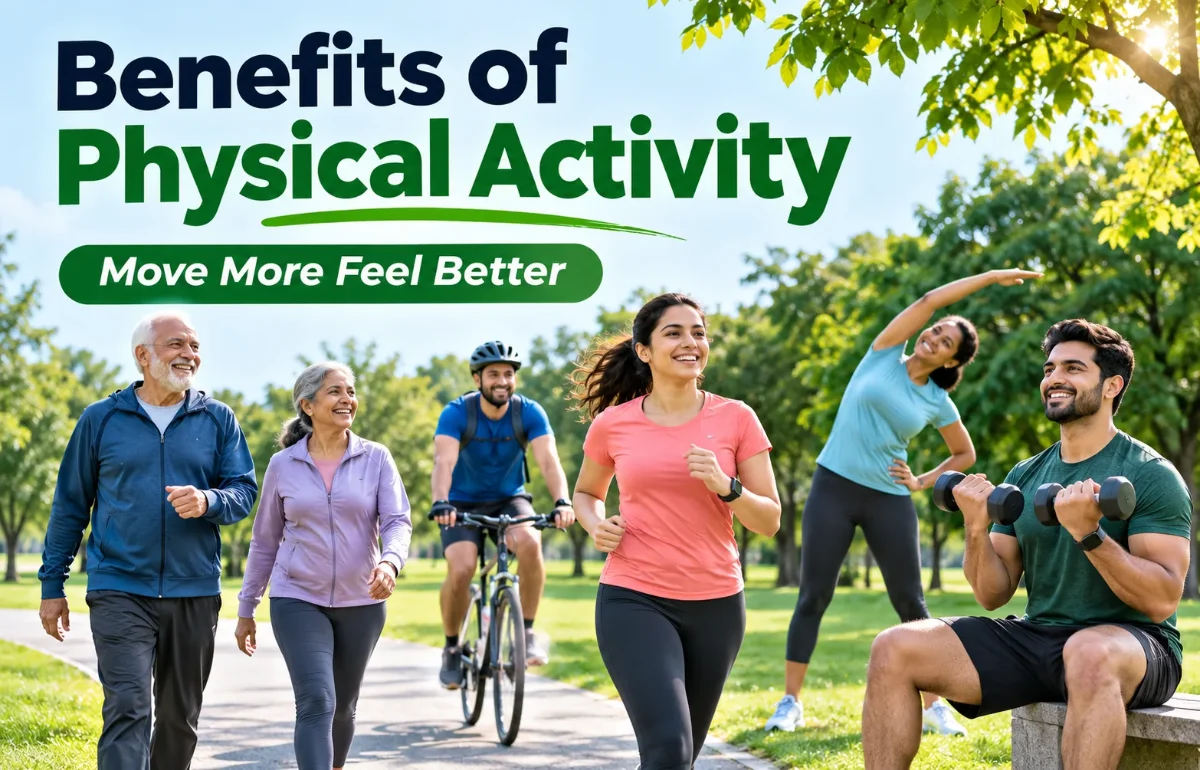
Does your child get very little physical activity or spend more than two hours a day on screens? If this is the case, they might have a higher risk of becoming overweight or developing obesity. According to the CDC, approximately one in five U.S. children has obesity, increasing their risk of heart problems, fatty liver disease, joint pain, and other health complications.
Several factors can contribute to unhealthy weight gain in children, including a sedentary lifestyle, genetics, and family history. While you cannot change genetics, regular physical activity can support a healthy weight and overall well-being.
In this guide, learn the benefits of regular exercise for every age group along with some tips to add more physical activity to your daily routine.
Benefits of Exercise for Every Age Group
Along with effective weight management, regular exercise offers several other health benefits, including:
Higher Stamina and Mobility
Your bone density and skeletal muscle mass decrease with age. Combining aging with a sedentary lifestyle can weaken your bones and significantly increase fracture risk. Regular strength-training exercises support muscle mass and bone density, helping you stay mobile at every age.
Better Cardiovascular Health
During exercise, your heart works faster and pumps blood more efficiently throughout your body. With regularity, your blood vessels can become more flexible, helping maintain normal blood pressure. That is why people who exercise regularly are less vulnerable to heart problems.
Emotional Regulation
Multiple studies support the link between exercise and mental health, showing that regular exercisers may have lower cortisol levels. Exercise can also boost mood by stimulating the release of feel-good hormones, such as endorphins and serotonin. That is why active people have better mental resilience to cope with stressors.
Better Sleep Hygiene
Exercise and sleep are also linked, as regular workouts can help you wind down before bed by reducing stress. Along with promoting mental calmness, exercise helps improve the deep-sleep phase, making sleep more restorative. It can also reduce sleep latency period, allowing your mind to shift from alertness to sleepiness more easily.
How Much Exercise Do I Need to Perform?

People who regularly exercise can get all the benefits above. But how much you need to do varies with age and workout intensity. Children between 6 and 17 should aim for at least an hour of moderate-to-vigorous physical activity each day, whether through active play or sports. Participating in sports offers children a fun and practical way to stay active throughout the day.
For adults aged 18 to 64, the recommendation is to do moderate activity for about 150 minutes a week. They should also include muscle- and bone-strengthening activities, such as resistance training and compound movements, at least twice a week.
The choice of moderate- to intense workouts is entirely up to you and your convenience. As you transition to high-impact exercises, allow enough recovery time between sessions to help your body adapt and reduce the risk of injury. Whatever you choose, use proper technique and gradually move from low-impact to high-impact activities to adapt smoothly.
Tips to Have an Active Lifestyle
Some people find it difficult to engage in regular physical activity, so here are some tips to stay active:
1. Having a Balanced Diet
Your body relies on the nutrients and energy from food to fuel moderate- to high-intensity workouts. Include a variety of foods from different food groups in your daily meals to provide your body with essential vitamins, minerals, and nutrients. Also, have protein-dense foods post-workout to speed up the repair of muscle tissues so you can continue.
2. Having Supplements

Along with diet, you may consider supplements for muscle growth that contain protein, creatine, or beta-alanine, etc. All these science-backed ingredients help support muscle mass and stamina, boosting strength training benefits. They can help improve muscle fiber development and boost stamina.
Remember, supplements cannot work alone for muscle growth or repair. For best results, focus on a healthy diet and a proper workout routine alongside them.
3. Following Progressive Overload
This is another practical approach to incorporating intense workouts into your routine without injuries. You should shift from small, moderate workouts to intense workouts gradually and slowly so your muscles don’t undergo unnecessary strain. Once you adapt to the exercises and can perform them more easily, you can increase the volume by increasing reps, sets, or adding weight, etc. Gradual progression helps build muscle mass and strength over time.
Bottom Line
Regular physical activity isn’t just about burning calories; it strengthens muscles and bones, supports cardiovascular health, and improves emotional well-being. Combine regular exercise with a balanced diet, adequate rest, and progressive overload to support long-term health. To stay consistent, children and adults should choose activities that suit their age and fitness levels..
🛡 Health Disclaimer
This article is for general information only and is not a substitute for professional medical advice. Exercise and supplement needs vary by individual. Consult a qualified healthcare professional before starting a new fitness routine or taking supplements, especially if you have an existing health condition.

Lauren Mitchell is a fitness and exercise specialist with 11+ years of experience helping people build strength, improve mobility, and maintain healthier lifestyles. She provides evidence-based fitness guidance focused on effective workouts, injury prevention, and sustainable exercise habits.