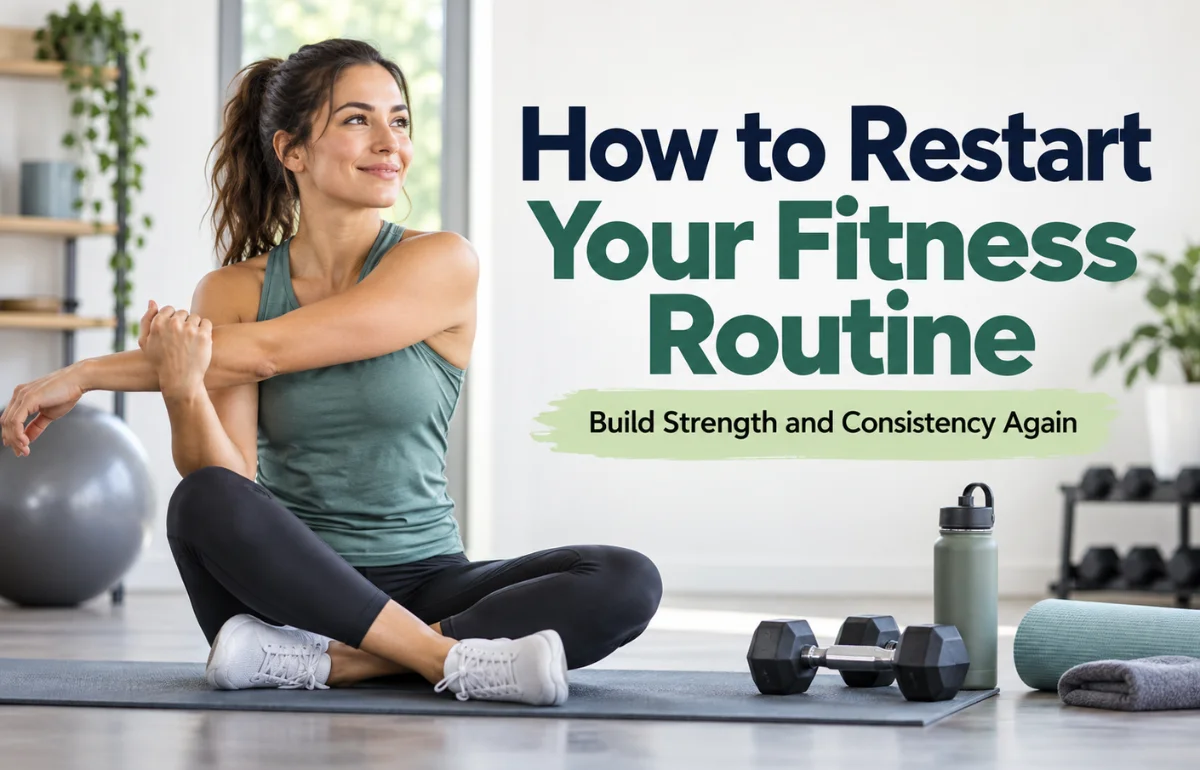
Getting back into a fitness routine after taking much of the summer off can feel harder than expected. Your energy may be lower, your schedule may have changed, and workouts that once felt normal might suddenly feel challenging.
The good news is you don’t need to make up for lost time. A gradual return to exercise can help you rebuild strength, improve consistency, and reduce the chance of becoming overly sore or discouraged during the first few weeks.
Start With a Realistic Schedule
One of the biggest mistakes people make after a long break is trying to return to their old training schedule immediately. If you were exercising five days a week before summer, starting with two or three sessions may be more manageable.
Choose days and times that realistically fit your current routine. A shorter workout that you can complete consistently is often more useful than planning long sessions that are difficult to maintain.
For the first couple of weeks, your schedule might include:
Two or three strength-training sessions
One or two recovery days between harder workouts
Short stretching or mobility sessions when needed
The goal is to rebuild the habit first. You can increase training volume and intensity later.
Reduce Your Workout Intensity

Your body may need time to adjust after several weeks without regular exercise. Instead of lifting the same weights or completing the same number of repetitions you previously managed, begin at a comfortable level.
Pay attention to how your muscles and joints feel during and after each session. Mild soreness can be normal when returning to exercise, but you don’t need to push through sharp pain or significant discomfort.
People who struggle to judge the right starting level may benefit from in-home personal training in Toronto, especially if they want structured guidance without traveling to a gym.
Focus On Basic Movements
You do not need complicated exercises to restart your routine. Basic movements can help rebuild overall strength and prepare your body for more challenging workouts.
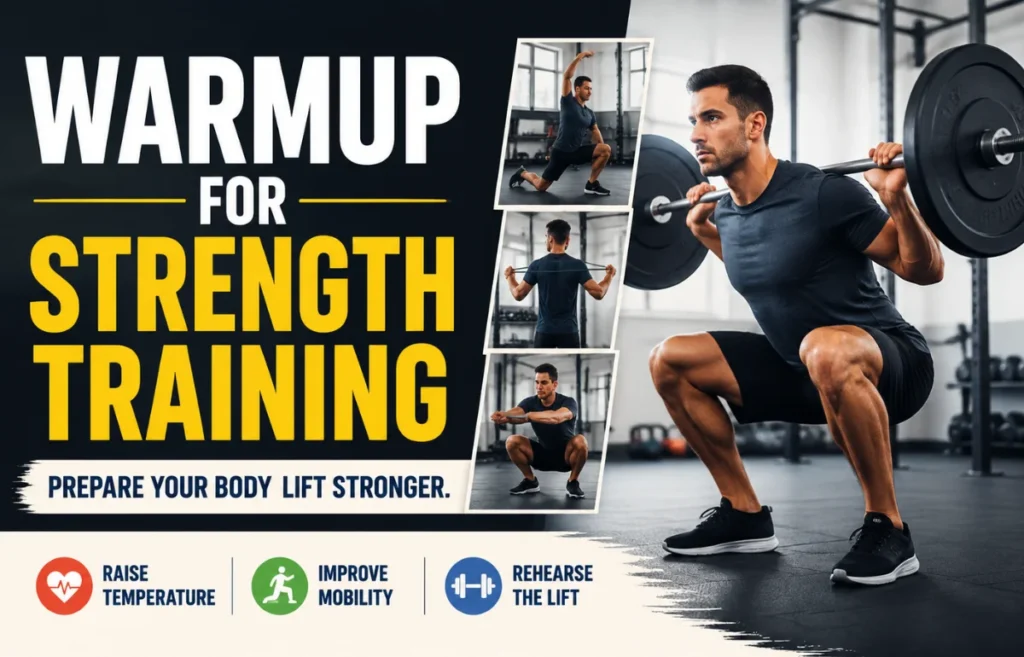
Exercises such as squats, lunges, rows, presses, bridges, and controlled core movements can cover most major muscle groups. Depending on your current ability, you can do these exercises with body weight, resistance bands, dumbbells, or other suitable equipment.
Good technique should come before heavier weights or faster repetitions.
Make Recovery Part Of Your Routine

Rest becomes especially important when you begin exercising again. Your body needs enough time between sessions to recover and adapt.
Support your workouts with regular sleep, enough water, and balanced meals. You do not need to completely change your diet overnight. Returning to simple habits, such as eating regular meals and including protein, vegetables, fruit, and whole foods, can support your training.
Create Accountability That Fits Your Lifestyle
Consistency is often easier when someone else helps keep you accountable. Some people enjoy exercising with a friend, while others prefer scheduled sessions with a personal trainer at home who can adapt workouts to their space, ability, and schedule.
Track simple progress instead of focusing only on weight or appearance. Notice whether you are completing more workouts, feeling stronger, walking farther, or recovering more comfortably. These small improvements can help you build a routine that lasts well beyond the first few weeks back.

Lauren Mitchell is a fitness and exercise specialist with 11+ years of experience helping people build strength, improve mobility, and maintain healthier lifestyles. She provides evidence-based fitness guidance focused on effective workouts, injury prevention, and sustainable exercise habits.