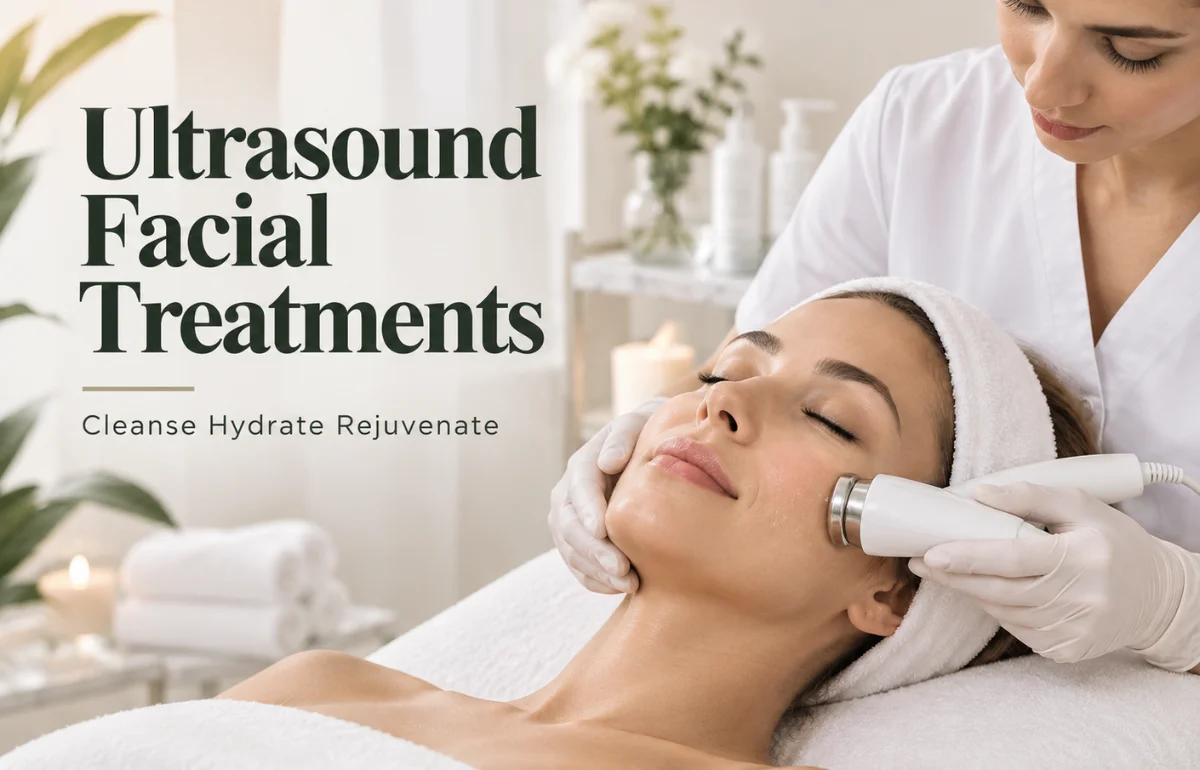
Ultrasound treatments have quietly become one of the most sought-after additions to modern facials—and for good reason. Unlike the trendier, more dramatic-sounding procedures you might see advertised, ultrasound technology works with your skin’s natural processes to cleanse, hydrate, and rejuvenate it, all without needles, significant downtime, or discomfort.
If you’ve heard the term but aren’t quite sure what it involves, here is a complete breakdown of what ultrasound facial treatments are, how they work, and the potential benefits they can offer.
Ultrasound facial treatments use high-frequency sound waves—the same basic technology used in medical ultrasound imaging—to work on the skin in two main ways, depending on the device and settings used.
What Is an Ultrasound Facial Treatment?
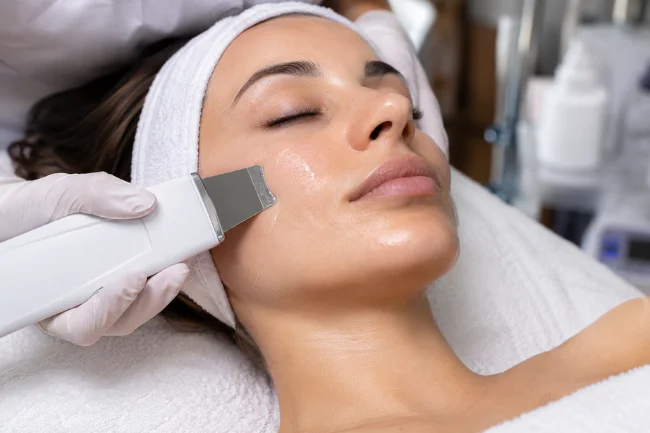
The first is ultrasonic exfoliation and cleansing, sometimes called “skin scrubbing.” A handheld device emits high-frequency vibrations through a small metal spatula-like tip, which is glided across the skin. These vibrations loosen dead skin cells, excess oil, and debris from clogged pores, essentially shaking impurities loose so they can be gently wiped away. It’s a deep-clean treatment that goes far beyond what a manual cleanse can achieve.
The second application is deeper ultrasound energy for skin tightening and rejuvenation, often referred to by names like HIFU (High-Intensity Focused Ultrasound). This version sends focused ultrasound energy beneath the skin’s surface, down into the deeper dermal layers, where it generates controlled heat. That heat stimulates the body’s natural collagen and elastin production, which over the following weeks can lead to firmer, more lifted-looking skin.
Both approaches fall under the “ultrasound treatment” umbrella, and many spas combine them within a single facial — using the cleansing function first to prep the skin, followed by deeper ultrasound energy to encourage long-term rejuvenation.
The Benefits of Ultrasound Treatments
Ultrasound facials have grown in popularity because they check a lot of boxes that other treatments can’t: real results, minimal discomfort, and no recovery time. Specific benefits include:
Deep pore cleansing. The ultrasonic vibrations reach into pores more thoroughly than manual extraction or standard cleansers, helping clear out blackheads, excess sebum, and buildup.
Improved product absorption. Once dead skin and debris are cleared away, serums and treatment products penetrate more effectively, making the rest of your skincare routine work harder for you.
Gentle exfoliation without irritation. Unlike chemical peels or abrasive scrubs, ultrasonic exfoliation doesn’t rely on acids or friction, making it a good option for sensitive skin types.
Collagen stimulation. For treatments using deeper ultrasound energy, the controlled heating effect encourages the body to produce new collagen, which can gradually improve skin firmness and texture over the following months.
Non-invasive lifting effect. Higher-intensity ultrasound treatments are sometimes used as a non-surgical alternative for mild skin laxity, particularly around the jawline, brows, and neck.
No downtime. Whether you’re getting the cleansing version or the deeper rejuvenation version, you can typically return to your normal activities immediately afterward.
What to Expect During Treatment
A typical ultrasound facial starts with a thorough cleanse to remove makeup and surface oil. From there, your esthetician will apply a water-based gel or serum to the skin — this acts as a conductor, helping the ultrasound waves transmit smoothly and comfortably across the skin’s surface.
For the ultrasonic cleansing portion, the practitioner glides the device’s flat spatula tip across your face in gentle upward strokes. You may hear a faint buzzing sound and feel a light vibration, but most people find the sensation relaxing rather than uncomfortable. Any visible debris is wiped away as the session progresses.
If your treatment includes deeper ultrasound energy for tightening, you may feel brief, small pulses of warmth as the device targets specific areas beneath the surface. This part of the treatment is typically more focused and may take slightly longer, since the practitioner works in small sections to ensure even coverage. Sessions overall tend to run between 30 and 60 minutes depending on which combination of techniques is used.
Ultrasound vs. Other Popular Treatments
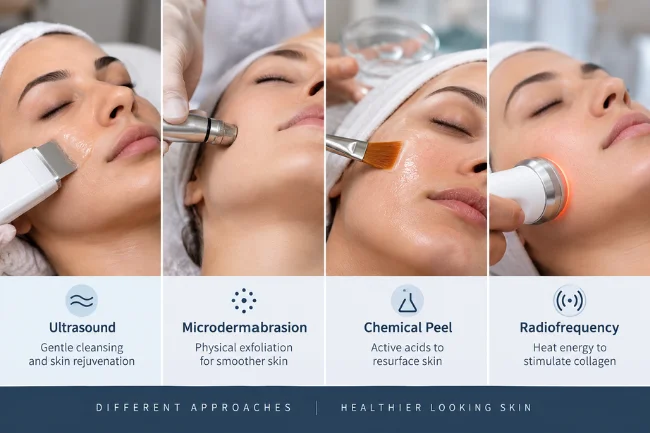
It helps to know how ultrasound treatments compare to other facial technologies you might be considering.
Microdermabrasion uses physical abrasion to remove the outer layer of skin, while ultrasonic cleansing uses sound vibrations rather than friction — making it gentler and better suited to reactive or sensitive skin.
Chemical peels rely on active acids to dissolve dead skin cell bonds, which can cause temporary redness or peeling. Ultrasound treatments involve no chemical reaction and typically leave skin looking immediately smoother with no visible aftermath.
Radiofrequency (RF) treatments also aim to stimulate collagen through heat, but they use electrical currents rather than sound waves. Ultrasound tends to allow more precise depth control, which is part of why it’s often favored for targeted tightening around delicate areas like under the eyes or jawline.
This combination of precision and gentleness is exactly why ultrasound has become such a popular choice for people researching options for ultrasound treatment in Westport who want visible, science-backed results without committing to anything invasive or requiring recovery time.
Who Is a Good Candidate?
Ultrasound facials are broadly suitable for most skin types, which is part of their appeal. The ultrasonic cleansing version is especially useful for anyone dealing with clogged pores, blackheads, or dull, congested skin. The deeper, collagen-stimulating version tends to appeal most to people noticing early signs of skin laxity — mild sagging around the jawline or neck, fine lines, or a loss of firmness — who want a non-surgical option before considering more invasive procedures.
That said, ultrasound treatments aren’t recommended for everyone. People who are pregnant, have pacemakers or other implanted electronic devices, or have active skin infections or severe acne in the treatment area should typically avoid ultrasound facials, or at minimum discuss it with a provider first. As always, a good esthetician will assess your skin and health history before recommending the right approach.
Aftercare and What to Expect Afterward
One of the biggest draws of ultrasound treatments is how little aftercare they require. Skin may appear slightly pink or flushed immediately following a deeper ultrasound session, but this typically fades within a few hours. There’s no peeling, scabbing, or visible downtime. Sunscreen is still recommended, as it should be every day regardless of treatment, but there are no strict product restrictions the way there often are after chemical peels or laser treatments.
For the collagen-stimulating benefits, results build gradually rather than appearing overnight. Many people notice initial improvements within a few weeks, with fuller results developing over two to three months as new collagen forms.
How Often Should You Book Ultrasound Treatments?

For ultrasonic cleansing, many people incorporate it into a regular facial routine every three to four weeks, similar to other exfoliation-based treatments. Deeper, collagen-stimulating ultrasound sessions are typically spaced further apart — often recommended in a series of a few sessions spaced four to six weeks apart, followed by maintenance treatments every few months to sustain results.
Choosing the Right Provider
Because ultrasound treatments, particularly the deeper collagen-stimulating versions, use targeted energy beneath the skin, technique and equipment quality genuinely matter. Look for a spa or clinic that uses professional-grade, well-maintained devices and employs estheticians trained specifically on ultrasound technology. Don’t hesitate to ask what type of device is used, how many treatments they perform regularly, and what results you can realistically expect based on your specific skin concerns.
The Takeaway
Ultrasound facial treatments offer a rare combination: real, science-backed results with essentially none of the downsides that come with more invasive procedures. Whether you’re after a deep, satisfying pore cleanse or a gradual, natural-looking lift through collagen stimulation, ultrasound technology delivers visible improvements without needles, incisions, or recovery time. As with any skin treatment, results depend on both the technology used and the skill of the person behind it, so take the time to find a provider who understands your skin and your goals.
Important Disclaimer
This article is for general educational purposes and does not replace professional medical advice. Results and suitability can vary, so consult a qualified healthcare or skincare professional before undergoing an ultrasound facial treatment.

Mia Anderson is a skincare writer with 8 years of experience creating practical, research-informed content about skincare routines, skin health, ingredients, and everyday self-care habits. She focuses on helping readers understand skincare choices through simple explanations and realistic routines while encouraging professional advice for specific skin concerns.