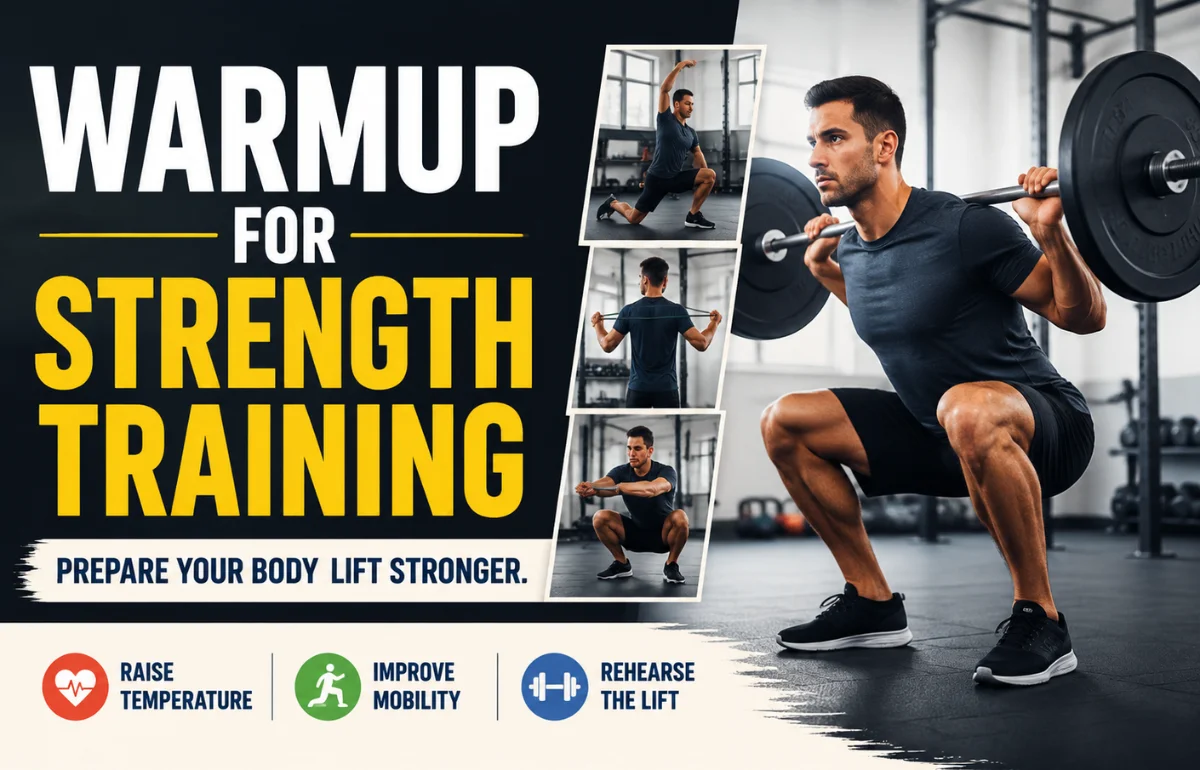
A warmup for strength training is a short period of general movement, mobility work, and exercise-specific practice performed before your main lifting sets. Its job is to raise muscle temperature, increase blood flow, prepare the joints and nervous system for the movements ahead, and let you rehearse lifting technique without creating fatigue. In simple terms, a good warm-up bridges the gap between your normal daily state and the physical demands of squats, presses, deadlifts, rows, or other resistance exercises.
I do not think of warming up as “burning calories before the workout.” I think of it as preparation. The best routine should make your first work set feel more familiar, coordinated, and physically ready—not leave you sweaty, tired, or weaker before you begin.
Why a Warmup for Strength Training Matters
Strength training can ask your body to produce high levels of force within seconds. Going straight from sitting at a desk, driving, or waking up to a heavy barbell set gives your muscles, joints, and movement patterns little time to adjust.
A well-designed warm-up increases blood flow to active muscles, raises muscle and core temperature, and prepares the body for the movement demands that follow. The National Strength and Conditioning Association also distinguishes warming up from stretching: a warm-up prepares you to perform, while stretching is mainly used to develop or assess range of motion.
Research has found that warming up can improve physical performance in many settings, although the effect depends on the type, intensity, and duration of the warm-up.
For strength workouts, specificity matters. General movement gets you warm; specific warm-up sets get you ready for the actual lift.
What Should a Strength Training Warm-Up Include?

I use a simple three-layer model: raise, move, rehearse. Not every lifter needs the same exercises, but most effective warm-ups cover these three jobs.
1. Raise Your Temperature Without Creating Fatigue
Start with light movement if you feel cold, stiff, sleepy, or you have been inactive for several hours. Brisk walking, easy cycling, rowing, or another low-intensity activity can work.
The goal is not a cardio workout. You are looking for a mild rise in breathing rate and body temperature while keeping plenty of energy in reserve. NSCA material commonly describes general warm-ups using roughly 5–10 minutes of low- to moderate-intensity activity before more specific preparation.
If you already walked to the gym or feel physically warm, you may need less general cardio.
2. Move Through the Range of Motion You Need
Next, use dynamic mobility to prepare the joints and movement patterns involved in your session. Dynamic movements take your joints through controlled ranges instead of holding one stretched position for a long time.
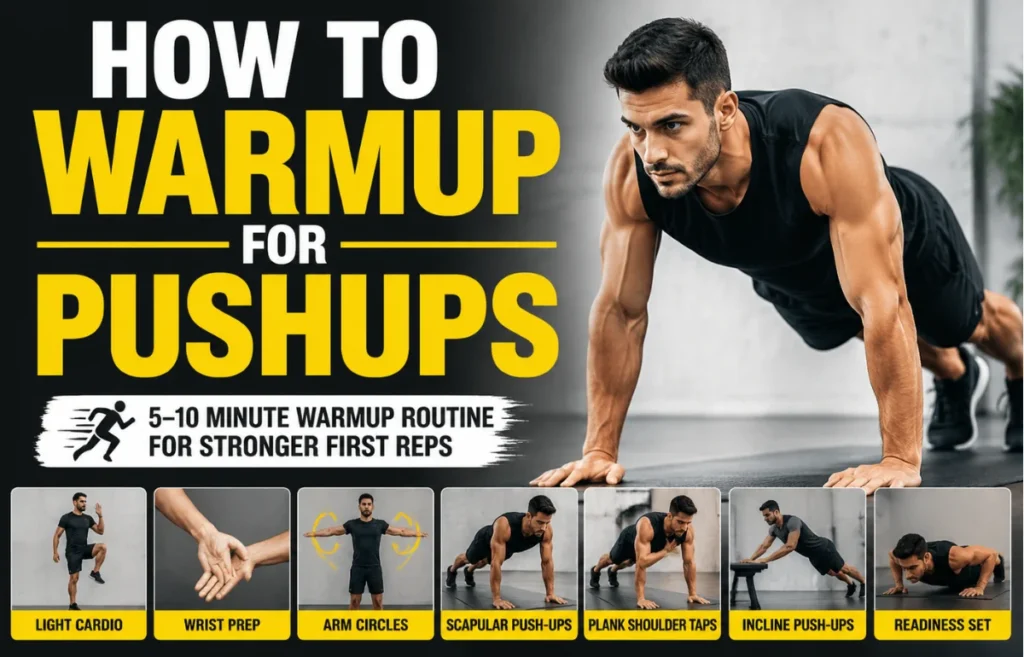
For a lower-body day, that might mean bodyweight squats, hip hinges, leg swings, walking lunges, or ankle rocks. For an upper-body session, arm circles, scapular push-ups, controlled shoulder rotations, or light band rows may be more useful.
The key is relevance. I would rather choose two mobility drills that improve the movement I am about to perform than collect ten drills simply because they look like a complete warm-up.
3. Rehearse the Main Lift With Ramp-Up Sets
Before a challenging compound lift, perform one or more lighter sets of the same exercise and gradually increase the load toward your working weight. These are often called warm-up sets, build-up sets, or ramp-up sets.
Research on resistance exercise suggests that specific warm-ups can improve subsequent lifting performance, and some studies have found benefits from relatively heavier, low-volume warm-up loads compared with very light preparation alone.
The lesson is not that everyone needs an exact percentage. Your last warm-up set should resemble the work you are about to do without becoming a hard work set itself.
Dynamic Warm-Up vs. Static Stretching Before Lifting
Static stretching is not automatically bad. The question is when you use it, how long you hold it, and whether you need that extra range of motion for the exercise.
Long static stretches immediately before maximal strength or power work can temporarily reduce force output, particularly when stretching is prolonged. Reviews have found the negative effect is mainly associated with longer stretch durations, especially around 60 seconds or more per muscle group.
Short static stretches may be reasonable when a specific restriction prevents you from reaching a comfortable lifting position. If you use them, follow with active movement and practice sets.
| Warm-up method | Best use before strength training | Main caution |
|---|---|---|
| Light cardio | Raises temperature and gets you moving | Too much can create fatigue |
| Dynamic mobility | Prepares useful ranges of motion | Keep it relevant |
| Activation drills | Rehearses control and positioning | Do not exhaust the target muscles |
| Ramp-up sets | Prepares technique and load tolerance | Avoid turning them into work sets |
| Static stretching | Helps a specific mobility restriction | Long holds may reduce force output temporarily |
A Practical 8–12 Minute Warm-Up Routine

There is no universal clock that makes a warm-up complete, but 8–12 minutes is a useful starting range for many strength sessions. Some people need less; cold environments, early-morning training, stiffness, previous injuries, or very heavy lifting may justify more preparation.
Minutes 0–3: General Movement
Choose brisk walking, easy cycling, rowing, marching, or another comfortable activity. Keep the effort easy enough that you finish warmer, not tired.
Minutes 3–6: Dynamic Mobility
Choose three or four movements and perform about 5–10 controlled repetitions each. Useful options include bodyweight squats, hip hinges, walking lunges, leg swings, ankle rocks, arm circles, scapular push-ups, and light band pull-aparts.
Do not chase a stretch sensation. Chase smoother movement.
Minutes 6–12: Specific Warm-Up Sets
Suppose your first exercise is a squat and your work sets are challenging. A practical progression might look like this:
| Set | Example load relative to work weight | Reps | Purpose |
|---|---|---|---|
| Warm-up 1 | Very light/empty bar | 8–10 | Groove technique and range |
| Warm-up 2 | About 40–50% | 5 | Add load without fatigue |
| Warm-up 3 | About 60–70% | 3 | Prepare for force production |
| Warm-up 4 | About 75–85% | 1–2 | Optional before heavy work |
| Work set | Planned training load | Programmed reps | Main training begins |
These percentages are examples, not rules. A beginner using light dumbbells may need one rehearsal set, while an experienced lifter approaching a heavy squat or deadlift may need several gradual jumps.
The Warm-Up “Budget”: A Better Way to Personalize It
Here is the idea I wish more warm-up advice explained: every warm-up has a preparation benefit and a fatigue cost. I think of the balance as a warm-up budget.
A drill earns its place if it makes you warmer, improves the range you need, sharpens technique, increases confidence under load, or makes the next set feel better. Once extra drills start consuming energy, grip strength, or focus without improving readiness, they are spending the budget without giving much back.
This is why a 25-minute routine is not automatically better than a 7-minute one. The warm-up should be long enough to prepare you and short enough to preserve performance.
Before your first work set, ask:
- Do I feel physically warm?
- Can I reach the positions required by this exercise comfortably and under control?
- Did my final practice set feel technically sharp without being tiring?
If all three answers are yes, you are probably ready to train.
How to Warm Up for Common Strength Exercises
Before Squats and Deadlifts
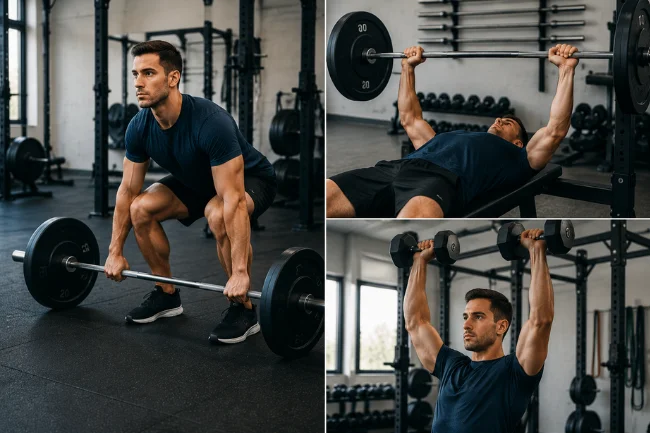
Prioritize the movement pattern you will load. Squats may benefit from ankle and hip mobility plus bodyweight and gradually loaded squats. Before deadlifts, use hip hinges and progressive deadlift sets without tiring the hamstrings, grip, or lower back.
Before Bench Press and Overhead Press
Prepare the shoulders and upper back, then practice the press itself. Scapular movement, light rows, controlled shoulder rotations, and light pressing can work well.
For overhead pressing, make sure you can reach the required position comfortably before adding heavy load.
Should You Warm Up Again Later in the Workout?
Sometimes.
If you move directly from squats to a related leg exercise, you are already warm and may only need a lighter first set. If there is a long break between major lifts, or you switch from upper-body work to a technically demanding lower-body exercise, a short re-warm-up can make sense.
A 2025 study in recreationally trained men found performance-related benefits from re-warming before later squat or bench-press work under certain exercise orders.
Think locally as well as globally: your whole body may be warm while the exact movement pattern you are about to load has not been practiced for 30 minutes.
Common Warm-Up Mistakes
Doing Too Much Cardio
Hard cardio before heavy lifting can create the fatigue your warm-up is supposed to avoid. Keep general activity submaximal.
Turning Mobility Into a Workout
Pre-lifting mobility should address the positions needed that day. Longer flexibility work can be done separately unless a specific restriction needs attention.
Skipping Specific Warm-Up Sets
Arm circles or toe touches do not prepare you for a heavy squat. As load increases, movement-specific rehearsal becomes more useful.
Using the Same Routine Every Day
Your needs change with the session and your current state. You may need more preparation on a cold morning than after an active afternoon.
Ignoring Pain
A warm-up can reduce ordinary stiffness, but it should not be used to force through sharp, worsening, or unexplained pain.
If pain changes your technique or persists, reduce the load and seek guidance from a qualified healthcare professional when appropriate.
How Long Should You Warm Up Before Strength Training?
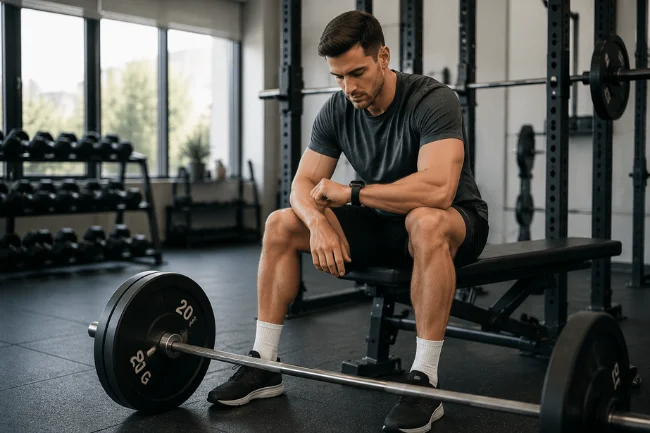
For many lifters, roughly 5–15 minutes works well, with longer preparation reserved for demanding sessions or people who need more time to feel ready. NSCA guidance describes warm-ups in this general range and emphasizes progression from general activity toward movements specific to the upcoming training.
I prefer readiness over a stopwatch. If you are warm, moving well, and your ramp-up sets feel crisp, adding extra drills just to satisfy a ritual usually offers little benefit.
A Simple Rule to Remember
A good warmup for strength training should make the workout easier to start without making you tired before the work begins.
Raise your temperature. Move through the ranges you need. Rehearse the first major lift with gradually heavier, low-fatigue sets. Then train.
That approach is simple enough for beginners and adjustable enough for experienced lifters using barbells, dumbbells, machines, bands, or bodyweight.
FAQs About Warmup for Strength Training
What is the best warm-up before strength training?
Light movement, relevant dynamic mobility, and lighter practice sets of your first main exercise make a strong all-purpose warm-up.
Is 5 minutes enough to warm up for lifting?
It can be if you are already warm and the workout is moderate, but heavy or technical lifting often needs additional ramp-up sets.
Should I stretch before lifting weights?
Dynamic movement is usually more useful before lifting. Short static stretching can help address a mobility restriction, while long holds may temporarily reduce force output.
How many warm-up sets should I do before lifting?
One or two may be enough for lighter exercises; heavy compound lifts often need several gradual sets. Stop before the warm-up becomes fatiguing.
Can I skip a warm-up if I am lifting light weights?
You may need less preparation, but a brief movement-specific warm-up still helps you check range of motion, technique, and how your body feels that day.
Make Your Warm-Up Earn Its Place
The goal is not to collect more drills. It is to arrive at your first work set physically warm, technically prepared, and mentally focused.
For your next strength session, choose one general movement, two or three relevant mobility drills, then ramp up the first major lift. Notice which parts genuinely improve readiness, remove what does not, and build a warm-up you can repeat consistently.

Lauren Mitchell is a fitness and exercise specialist with 11+ years of experience helping people build strength, improve mobility, and maintain healthier lifestyles. She provides evidence-based fitness guidance focused on effective workouts, injury prevention, and sustainable exercise habits.