Ask a Raleigh dentist which procedure in their office should be the least complicated, and in-office whitening will be near the top of the list. It is elective, it is quick, patients are happy to pay for it, and the clinical side is well understood. So it is a little strange how often it turns out to be a source of friction.
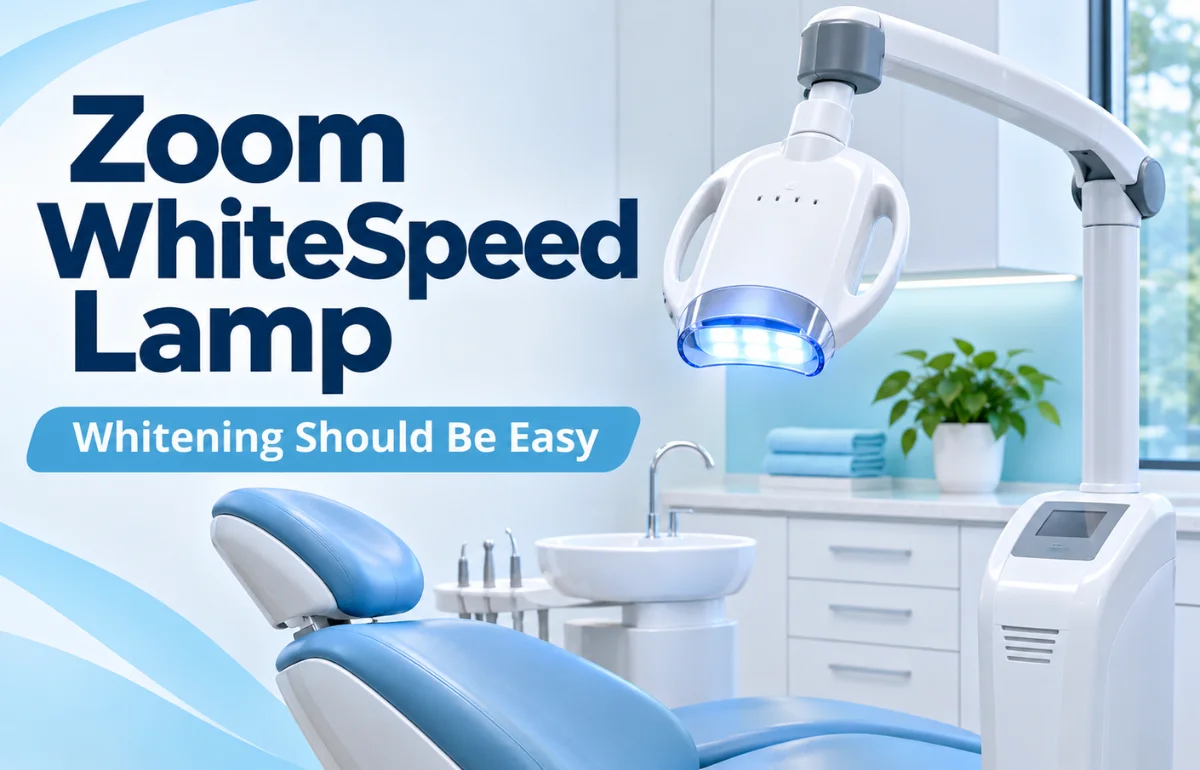
The friction rarely comes from the treatment itself. It comes from the equipment’s business model. The Philips Zoom WhiteSpeed lamp that most local practices use counts its light cycles and locks after a set number, and the only standard way forward is to buy another light guide. That arrangement makes sense for the manufacturer. It makes a lot less sense for a practice trying to run a smooth, profitable cosmetic service.
Think about what it does in practice. It adds a recurring cost to every case. It introduces a random interruption into the schedule whenever the counter runs out. And it quietly punishes success, because the more whitening you sell, the faster you arrive at the next purchase. An easy service ends up carrying a surprising amount of admin.
A simpler way to run it
In my view, the most sensible response is also the least exciting one: take the counter out of the equation. That is what a growing number of Triangle-area practices have done using a chip from Bleach Infiniter, and anyone curious can read the specifics on the official Bleach Infiniter site. The chip fits the common Zoom Advanced Power version, removes the factory cycle limit, and leaves everything clinical untouched.
The appeal is in how little else has to change. The same lamp stays in the same room. The assistants follow the same protocol. The chip can arrive pre-installed; shipping by DHL or UPS usually takes two to five days, with insurance and free options available, and it is paid for once. After that, Light Guides drops off the supply order, and each whitening case costs less to deliver.
Some owners worry that a change like this is complicated or risky. It is neither, as far as the patient or the clinical team is concerned. The risk is really on the other side, in continuing to pay repeatedly for a capability the lamp already has.
Getting back to easy
Raleigh is growing quickly, and new practices keep opening across Wake County. Competition for cosmetic patients will only increase. In that environment, the clinics that do well with whitening will be the ones that treat it as the simple, high-margin service it ought to be, rather than one that needs managing around its own equipment.
I would add one more point for owners who are still unsure. Look at how much attention your team currently spends on the lamp: noticing when it locks, chasing a guide, reshuffling the afternoon. None of that shows up on a profit and loss statement, yet all of it is real time taken from patient care. Removing the limit gives some of that time back.
Removing the cycle limit will not make anyone a better dentist. It will make one part of the week noticeably calmer, and that is a reasonable thing to want from a procedure that was supposed to be easy in the first place.

Daniel Reed is a dental health writer with 6 years of experience creating clear, research-informed content about oral hygiene, gum care, preventive habits, and everyday dental wellness. He focuses on making reliable information easy to understand while encouraging readers to seek professional dental care for diagnosis and treatment.