Choosing a dental professional who understands your family’s unique oral health needs is an essential step toward maintaining healthy smiles for years to come. Whether you’re new to an area or simply looking to switch providers, the process can feel overwhelming. From checking credentials to assessing the office environment, there are several key factors to consider before committing to a dental practice. This guide walks you through everything you need to know to make a confident, informed choice for your family’s oral health.
Why Choosing the Right Dentist Matters
Oral health is directly linked to overall health. Poor dental hygiene and untreated dental problems can contribute to serious conditions, including heart disease, diabetes, and respiratory issues. When you choose a dentist who understands your family’s unique needs, you’re not just investing in bright smiles — you’re investing in long-term well-being.
For families with children, selecting the right provider is especially critical. Children who have positive early dental experiences are far more likely to maintain good oral hygiene habits as adults. A family-friendly dental office can make all the difference in shaping your child’s relationship with dental care.
Step 1: Define Your Family’s Dental Needs

Before you start searching, take a moment to assess what your family actually needs from a dental provider. Consider the following:
- Age range of family members: Do you need a dentist who sees toddlers, teens, adults, and seniors?
- Specific dental concerns: Does anyone in your family have orthodontic needs, dental anxiety, or require specialized care?
- Frequency of visits: Are you looking for a practice that offers routine cleanings, or do you anticipate needing more comprehensive care?
- Cosmetic goals: Are any family members interested in whitening, veneers, or other cosmetic treatments?
Having a clear picture of your needs will help you narrow down your options quickly and effectively.
Step 2: Research Credentials and Experience
Not all dental practices are created equal. When evaluating potential providers, always verify their qualifications.
Check for Proper Licensing
Every licensed dentist must complete a four-year dental program accredited by the Commission on Dental Accreditation (CODA) and pass national and state board exams. To confirm a dentist’s professional credentials, check their licensing status on the official dental board website for your state.
Look for Relevant Specializations
If your family has specific needs, look for a dentist with additional training in areas such as pediatric dentistry, orthodontics, or periodontics. General dentists with continuing education in these areas can often handle a wide range of treatments under one roof, which is a major convenience for busy families.
Consider Years of Experience
While newer dentists can be excellent providers, experience often translates to efficiency and expertise, particularly for complex procedures. Look for a dentist who has a proven track record in the type of care your family requires.
Step 3: Evaluate the Office Environment
The physical environment of a dental office plays a significant role in patient comfort, especially for children and those with dental anxiety. When you visit or call a potential practice, pay attention to:
- Cleanliness and organization: A well-maintained office reflects professional standards and attention to hygiene.
- Staff friendliness: Are the front desk team and dental hygienists welcoming and patient?
- Wait times: A practice that consistently runs behind schedule may not respect your time.
- Child-friendly amenities: Look for waiting areas with toys, books, or TVs to help younger patients feel at ease.
- Modern equipment: Digital X-rays, intraoral cameras, and other technologies improve accuracy and patient comfort.
Step 4: Read Reviews and Ask for Recommendations

Word of mouth remains one of the most powerful tools in finding a trustworthy dentist. Ask neighbors, coworkers, or friends in your area for their personal recommendations. Online reviews on Google, Yelp, and Healthgrades can also provide valuable insights into the patient experience.
As you go through patient feedback, pay attention to recurring experiences and opinions instead of relying on individual reviews. A dentist with consistently positive feedback about their communication, professionalism, and gentle approach is a strong candidate. Notice how the dental office handles critical feedback, as polite and constructive replies often reflect its dedication to providing a positive patient experience.
Step 5: Confirm Insurance and Payment Options
Dental care can be expensive, so it’s essential to understand a practice’s payment policies before committing. Ask about:
- Which insurance plans they accept
- Whether they offer in-house membership plans for uninsured patients
- Available financing options or payment plans
- Their policy on billing and claims submission
Transparency about costs upfront is a hallmark of a trustworthy dental practice. Be wary of offices that are vague about pricing or reluctant to provide written estimates before procedures.
Step 6: Assess Location and Availability

Convenience matters more than many people realize. A dental office that’s close to your home, workplace, or your children’s school makes it far easier to keep up with regular appointments. Similarly, a practice with flexible hours — including early morning, evening, or weekend availability — can be a lifesaver for busy families.
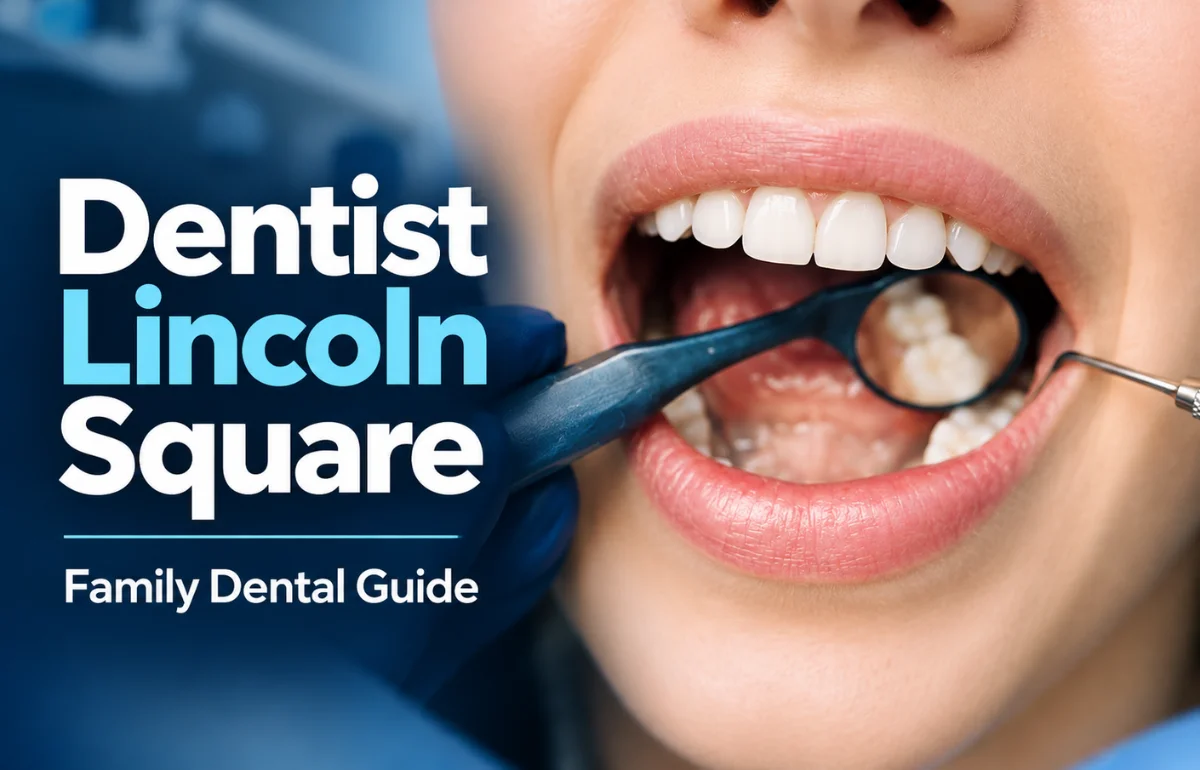
If you live or work in New York City, for example, finding a dentist in Lincoln Square who offers comprehensive family dental services in a convenient, accessible location can make maintaining consistent oral health care much more manageable for the whole household.
Step 7: Schedule a Consultation First
Before making a final decision, schedule an introductory visit or consultation. This gives you the opportunity to meet the dentist and staff, ask questions, and get a feel for the practice’s culture without the pressure of committing to a full treatment plan. Use this visit to assess how well the dentist listens to your concerns and explains their approach to care.
Questions to Ask During Your Consultation
- What options are available for patients who need urgent dental care after regular office hours?
- How do you help children maintain healthy teeth and prevent dental problems?
- Do you offer sedation options for anxious patients?
- What steps do you take to keep your dental skills and equipment up to date with the latest developments?
- What happens if I need a specialist referral?
Red Flags to Watch Out For
Just as there are clear signs of a great dental practice, there are also warning signs that should give you pause:
- Pressure to undergo unnecessary treatments or upselling during every visit
- Difficulty reaching the office or getting timely callbacks
- Outdated equipment or an unclean facility
- Dismissive or impatient communication from the dentist or staff
- Lack of transparency about treatment plans or costs
Making the Final Decision
Choosing the right dentist for your family ultimately comes down to a combination of clinical excellence, personal comfort, and practical convenience. Take your time, do your research, and don’t be afraid to visit more than one practice before making a decision. The right dental home will feel like a natural fit — a place where you and your family feel heard, respected, and well cared for.
Once you’ve found that practice, commit to regular checkups and cleanings. Regular preventive dental care plays a vital role in keeping your teeth and gums healthy throughout your life. A great dentist isn’t just someone you visit when something hurts — they’re a long-term partner in your family’s health journey.
🛡 Medical Disclaimer
This article is intended for general informational purposes only and should not replace professional dental advice, diagnosis, or treatment. Always consult a qualified dentist regarding your family’s oral health needs.

Daniel Reed is a dental health writer with 6 years of experience creating clear, research-informed content about oral hygiene, gum care, preventive habits, and everyday dental wellness. He focuses on making reliable information easy to understand while encouraging readers to seek professional dental care for diagnosis and treatment.