

Carbo Complex is a term commonly associated with complex carbohydrates and carbohydrate-based nutritional supplements designed to provide energy, support physical activity, and help replenish glycogen stores. Complex carbohydrates consist of linked sugar molecules and occur naturally in foods such as oats, brown rice, beans, lentils, and sweet potatoes.
However, Carbo Complex is not a standardized scientific term or a single nutritional ingredient. Several manufacturers also use the name for sports nutrition products containing maltodextrin, glucose, fructose, and sometimes electrolytes.
I prefer to understand carbohydrates based on their nutritional quality, digestibility, and purpose rather than their marketing labels. Some carbohydrates are excellent for everyday nutrition, while others are more suitable for demanding physical activities.
Understanding this distinction can help you make better dietary choices without unnecessarily restricting carbohydrates or spending money on supplements you may not need.
What Is Carbo Complex?
Carbo Complex generally describes complex carbohydrate nutrition or a formulated blend of carbohydrates intended to supply the body with energy.
In everyday nutrition, complex carbohydrates include starches and dietary fibers. Digestible starch provides glucose, while dietary fiber serves several digestive and metabolic functions.
Commercial carbohydrate supplements work somewhat differently. They may combine multiple carbohydrate sources to provide readily available fuel during physical activity.
For example, a bowl of oatmeal and a carbohydrate sports drink can both provide energy, but their nutritional composition, digestion rate, and intended use differ considerably.
This is why I recommend looking beyond the product name and paying attention to what the carbohydrate source actually contains.
Understanding the Different Types of Carbohydrates
Carbohydrates are one of the three primary macronutrients, alongside protein and fat. However, not all carbohydrates behave the same way inside the body.
Simple Carbohydrates
Simple carbohydrates contain one or two sugar units. Common examples include glucose, fructose, sucrose, and lactose.
They occur naturally in fruit and milk but are also found in sweetened beverages, desserts, and processed snacks.
Naturally occurring sugars in whole foods should not automatically be considered unhealthy because these foods can provide valuable nutrients.
Complex Carbohydrates
Complex carbohydrates contain longer chains of sugar molecules. They include various forms of starch and dietary fiber.
Whole grains, legumes, and starchy vegetables are excellent dietary sources. Many of these foods also contain vitamins, minerals, and beneficial plant compounds.
However, their complex molecular structure does not guarantee slow digestion. Processing methods, cooking techniques, and fiber content can significantly influence how the body responds.
Simple vs. Complex Carbohydrates
| Feature | Simple Carbohydrates | Complex Carbohydrates |
|---|---|---|
| Molecular structure | One or two sugar units | Longer sugar chains |
| Digestion | Often relatively fast | Varies according to the source |
| Fiber content | Depends on the food | Often higher in whole foods |
| Common sources | Fruit, milk, candy, sugary drinks | Oats, beans, rice, potatoes |
| Blood sugar response | Variable | Variable |
| Exercise applications | Convenient rapid fuel | Everyday nutrition and some sports formulations |
| Nutritional value | Depends on food quality | Often higher in minimally processed sources |
The distinction I find most useful is not simply whether a carbohydrate is complex or simple, but whether it meets your nutritional needs.
How Does Carbo Complex Work in the Body?
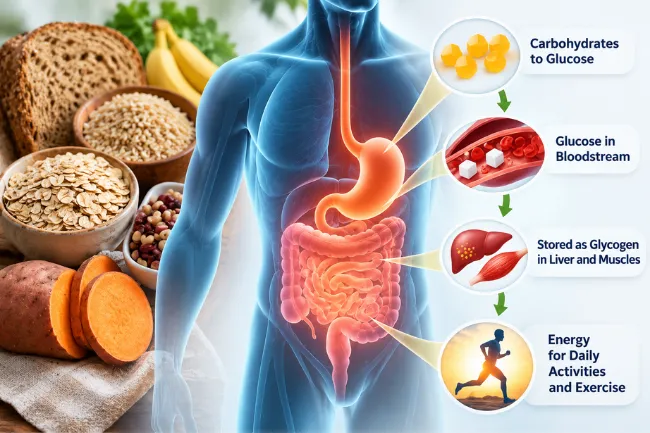
When you consume digestible carbohydrates, enzymes help break them down into smaller sugar molecules. These molecules are absorbed through the small intestine.
Glucose subsequently enters the bloodstream, where it becomes available for various bodily functions.
Insulin helps regulate blood glucose and facilitates its uptake into many tissues. Some glucose is used immediately, while some can be stored in the liver and muscles as glycogen.
Muscle glycogen provides an important fuel source during exercise. Liver glycogen helps maintain blood glucose between meals and during periods of increased energy demand.
Dietary fiber follows a different pathway. It largely escapes digestion in the small intestine, and certain types are fermented by microorganisms in the colon.
This explains why fiber-rich carbohydrate foods and rapidly digestible carbohydrate powders can produce substantially different effects despite belonging to the same broader nutrient category.
7 Potential Health and Fitness Benefits of Carbo Complex
The benefits associated with carbohydrate nutrition depend heavily on the source, quantity, and circumstances of consumption.
1. Supports Daily Energy Requirements
Carbohydrates provide fuel for everyday activities, including walking, working, studying, and exercising.
Fiber-rich carbohydrate meals may provide a more gradual supply of energy than highly refined alternatives, although individual responses differ.
For someone experiencing hunger shortly after a breakfast of sugary cereal, replacing it with oats, yogurt, and nuts could be a practical nutritional improvement.
2. Supports Digestive Health
Whole grains, vegetables, and legumes provide dietary fiber that supports bowel regularity.
Certain fermentable fibers also nourish beneficial microorganisms within the digestive system.
The World Health Organization recommends that adults consume at least 25 grams of naturally occurring dietary fiber daily.
I would prioritize these food sources over carbohydrate powders when digestive health is the main objective.
3. Helps Improve Exercise Performance
During demanding physical activity, muscles rely partly on stored glycogen to produce energy.
As exercise continues, carbohydrate availability can become increasingly important, particularly during prolonged endurance activities.
Carbohydrate drinks and energy supplements can provide convenient fuel when eating a regular meal is impractical.
Their usefulness is generally greater during extended training sessions than during short, casual workouts.
4. Supports Post-Workout Recovery
Intense exercise can reduce glycogen reserves. Consuming carbohydrates afterward helps restore those reserves and prepare the body for subsequent physical activity.
Combining carbohydrates with adequate protein also supports muscle repair and recovery.
A balanced meal containing rice, chicken or tofu, and vegetables can accomplish this without requiring a specialized supplement.
5. May Support Healthy Weight Management
Fiber-rich carbohydrates can contribute to feelings of fullness, making it easier for some people to manage hunger between meals.
Foods such as lentils, oatmeal, and chickpeas provide substantial nutritional value and can fit comfortably into a weight-management diet.
However, Carbo Complex is not a fat-burning ingredient. Changes in body weight depend on overall energy intake, physical activity, and other individual factors.
6. Contributes to Cardiovascular Health
Minimally processed carbohydrate foods often provide soluble fiber, minerals, and beneficial plant compounds.
Regular consumption of whole grains and legumes is associated with better long-term cardiovascular health.
These advantages relate to the overall nutritional characteristics of the foods rather than the presence of complex carbohydrates alone.
7. May Support More Manageable Blood Sugar Responses
Some fiber-rich carbohydrate foods produce a more gradual rise in blood glucose than heavily refined alternatives.
However, portion size, food preparation, and individual metabolic responses also matter.
People with diabetes should monitor their carbohydrate intake according to their individual treatment plan rather than assuming that every complex carbohydrate food is automatically suitable.
Best Natural Food Sources of Complex Carbohydrates
I find that building meals around familiar, affordable ingredients is more practical than relying on expensive nutritional products.
The following foods offer useful combinations of carbohydrates and other essential nutrients.
Oats and Barley
Oats and barley contain beta-glucan, a type of soluble fiber associated with cholesterol management.
Plain oatmeal can be combined with fruit, seeds, and yogurt for a balanced breakfast.
Brown Rice and Quinoa
Brown rice retains more of the original grain structure than refined white rice. Quinoa provides carbohydrates alongside protein, fiber, and several minerals.
Both work well as foundations for meals containing vegetables and protein.
Lentils, Beans, and Chickpeas
Legumes are particularly valuable because they provide carbohydrates, plant-based protein, and dietary fiber.
They are also inexpensive, versatile, and suitable for soups, salads, curries, and other everyday meals.
Potatoes and Sweet Potatoes
Potatoes provide starch, potassium, and other nutrients. Sweet potatoes, particularly orange varieties, also provide beta-carotene.
Preparation and accompanying ingredients influence the overall nutritional quality of potato-based meals.
Whole-Wheat Bread and Pasta
Whole-wheat products can increase fiber intake while allowing people to enjoy familiar meals.
I recommend checking the ingredient list rather than relying exclusively on the color of the bread or claims displayed on its packaging.
Natural Carbohydrates vs. Carbo Complex Supplements
Carbohydrate supplements are designed primarily for convenience and fuel delivery. Natural foods generally provide a wider range of nutrients.
| Comparison | Natural Carbohydrate Foods | Carbo Complex Supplements |
|---|---|---|
| Examples | Oats, lentils, potatoes | Powders, sports drinks, energy bars |
| Dietary fiber | Often substantial | Frequently low |
| Micronutrients | Naturally present | Varies by formulation |
| Digestion speed | Depends on the food | Often relatively fast |
| Fullness | Frequently more satisfying | Generally less filling |
| Convenience during exercise | Moderate | High |
| Best application | Everyday balanced nutrition | Targeted sports fueling |
| Necessity | Part of many healthy diets | Optional for most people |
I would not consider one universally superior to the other. Their usefulness depends on the situation.
A high-fiber meal might be ideal during a regular working day, whereas an easily digestible carbohydrate drink could be more convenient halfway through a long cycling session.
What Ingredients Are Found in Carbo Complex Supplements?

There is no universal formula for products sold under this name. Manufacturers may use different combinations of carbohydrates, flavorings, and minerals.
Maltodextrin
Maltodextrin is produced by breaking starch into shorter carbohydrate chains. It mixes easily with liquids and provides energy without requiring a highly sweet taste.
Despite its complex structure, ordinary digestible maltodextrin can be broken down rapidly. It should not be confused with fiber-rich carbohydrates or resistant maltodextrin.
Dextrose and Fructose
Dextrose is another name for glucose, which the body can use as fuel.
Fructose is another simple sugar. Combining glucose and fructose can help athletes absorb and utilize larger carbohydrate quantities during prolonged endurance exercise.
Electrolytes
Some formulations contain sodium, potassium, magnesium, or other minerals.
These ingredients may help address electrolyte losses during exercise, particularly when sweating is substantial. However, their amounts differ between products.
The ingredient list matters more than whether the packaging describes the formula as advanced, premium, or slow-release.
When Is the Best Time to Take Carbo Complex?
Carbohydrate timing becomes more relevant when exercise intensity, duration, and recovery demands increase.
Before Exercise
Eating a carbohydrate-containing meal a few hours before training can help provide fuel for the upcoming session.
If exercise is approaching, a smaller, easily digestible snack may be more comfortable than a large meal.
During Exercise
For short, moderate workouts, water and adequate daily nutrition are often sufficient.
The Australian Institute of Sport suggests that endurance activities lasting approximately one to two and a half hours may benefit from 30–60 grams of carbohydrate per hour.
Longer, demanding events may require higher intakes under an individualized fueling strategy.
After Exercise
Carbohydrates consumed after training help restore glycogen. Including protein supports additional aspects of recovery.
If another demanding session is scheduled within a few hours, timely refueling becomes particularly useful. Otherwise, a normal balanced meal will often meet recovery needs.
My Three-Filter Method for Choosing Better Carbohydrates
Rather than categorizing every carbohydrate as good or bad, I prefer using three practical questions: What is its structure? What does it provide? What purpose does it serve?
Filter 1: Examine the Food Structure
Consider how extensively the food has been processed.
Intact grains, beans, and whole vegetables typically retain more of their original structure than finely milled or isolated starch products.
That structure can influence digestion, even when two foods contain similar carbohydrate quantities.
Filter 2: Consider Nutritional Value
Look at the nutrients accompanying the carbohydrates.
A serving of chickpeas provides protein, fiber, and minerals. A carbohydrate drink may primarily provide energy.
Neither description tells the entire story, but it helps distinguish everyday nutrition from specialized fueling.
Filter 3: Match the Food to Your Activity
Consider what you will be doing after consuming the carbohydrates.
A sedentary afternoon, a demanding strength session, and a three-hour cycling event create different nutritional requirements.
This framework helps prevent the common mistake of purchasing a sports supplement for a problem that could be addressed through regular meals.
The Hidden Difference Between Carbohydrate Content and Sugar Content
One detail worth examining is the relationship between total carbohydrates and declared sugars on nutrition labels.
Imagine a hypothetical carbohydrate powder containing 40 grams of total carbohydrates and only 5 grams of sugar per serving. Much of the remaining carbohydrate could consist of rapidly digestible starch derivatives.
That product is not necessarily slow-digesting simply because its sugar content appears relatively low.
The FDA’s nutrition label guidance explains how carbohydrate, sugar, fiber, and serving information are presented on American food labels.
I recommend checking total carbohydrates, fiber content, ingredients, and serving size together rather than evaluating a product using its sugar declaration alone.
Potential Side Effects and Safety Considerations
Although carbohydrates are part of many healthy diets, concentrated supplements and sudden dietary changes can cause unwanted effects.
Bloating and Digestive Discomfort
Increasing dietary fiber too quickly can lead to temporary gas, bloating, or abdominal discomfort.
Concentrated carbohydrate drinks may also cause digestive problems, especially when consumed during strenuous exercise.
Gradual dietary adjustments and appropriate hydration may improve tolerance.
Unwanted Weight Gain
Frequently consuming carbohydrate supplements alongside already sufficient meals can increase total calorie intake.
This may contribute to unwanted weight gain when the additional energy is not needed.
Blood Sugar Fluctuations
Rapidly digestible carbohydrates can significantly affect blood glucose levels.
People with diabetes or other conditions affecting glucose regulation should consult a qualified healthcare professional before using concentrated carbohydrate supplements.
Confusion With Other Products
Some products sold as Carbo Complex contain activated charcoal and digestive ingredients rather than sports carbohydrates.
Activated charcoal may interfere with the absorption of oral medications. These products should not be treated as interchangeable with carbohydrate-based supplements.
Always verify the manufacturer, ingredient list, and intended purpose before taking any product.
Common Myths About Carbo Complex
All Complex Carbohydrates Digest Slowly
This is incorrect. Refined starches and ordinary maltodextrin can be digested relatively quickly despite containing linked sugar molecules.
Eating Carbohydrates at Night Causes Weight Gain
Evening carbohydrate consumption does not automatically cause weight gain.
Overall calorie intake, dietary patterns, physical activity, and individual circumstances matter more than a single nutrient’s timing.
Everyone Who Exercises Needs Carbohydrate Supplements
Most recreational exercisers can meet their carbohydrate requirements through ordinary meals.
Specialized products become more useful when exercise demands make regular food inconvenient or insufficient.
How to Include Complex Carbohydrates in Your Daily Diet
A practical starting point is to improve the quality of carbohydrates already present in your meals.
For breakfast, consider oatmeal with yogurt, berries, and nuts.
At lunchtime, combine brown rice or whole-wheat bread with vegetables and a suitable protein source.
A balanced dinner might include lentils, sweet potatoes, or quinoa alongside fish, chicken, tofu, or other protein-rich foods.
I favor gradual changes because they are easier to maintain. Replacing one refined carbohydrate source with a fiber-rich alternative is more manageable than attempting to redesign an entire diet overnight.
Conclusion
Carbo Complex can describe carbohydrate-based sports supplements or, more broadly, nutrition centered on complex carbohydrates. Its potential benefits include supporting energy requirements, exercise performance, glycogen replenishment, and, when derived from fiber-rich foods, digestive health.
I recommend prioritizing nutrient-dense whole foods and considering supplements only when they serve a specific purpose.
Start by reviewing your regular meals, identifying opportunities to increase dietary fiber, and checking the ingredients of any carbohydrate supplement before purchasing it.
Frequently Asked Questions
What is Carbo Complex used for?
Carbohydrate-based Carbo Complex supplements are primarily used to provide energy during physical activity and help replenish glycogen after exercise.
Is Carbo Complex good for weight loss?
Fiber-rich carbohydrate foods may support fullness and weight management, but carbohydrate supplements do not directly burn body fat.
Can I take Carbo Complex every day?
Daily consumption depends on the formulation and your nutritional requirements. Most people can obtain sufficient carbohydrates from regular food.
What foods are high in complex carbohydrates?
Oats, barley, brown rice, lentils, chickpeas, potatoes, quinoa, and whole-wheat products are common dietary sources.
Is Carbo Complex good for building muscle?
Carbohydrates support training performance and glycogen recovery, indirectly assisting muscle development when combined with adequate protein and resistance training.

Dr. Hannah Collins is a nutrition and diet specialist with 13+ years of experience helping people make informed food choices and develop healthier eating habits. She shares evidence-based nutrition guidance focused on balanced diets, meal planning, healthy lifestyles, and sustainable wellness.