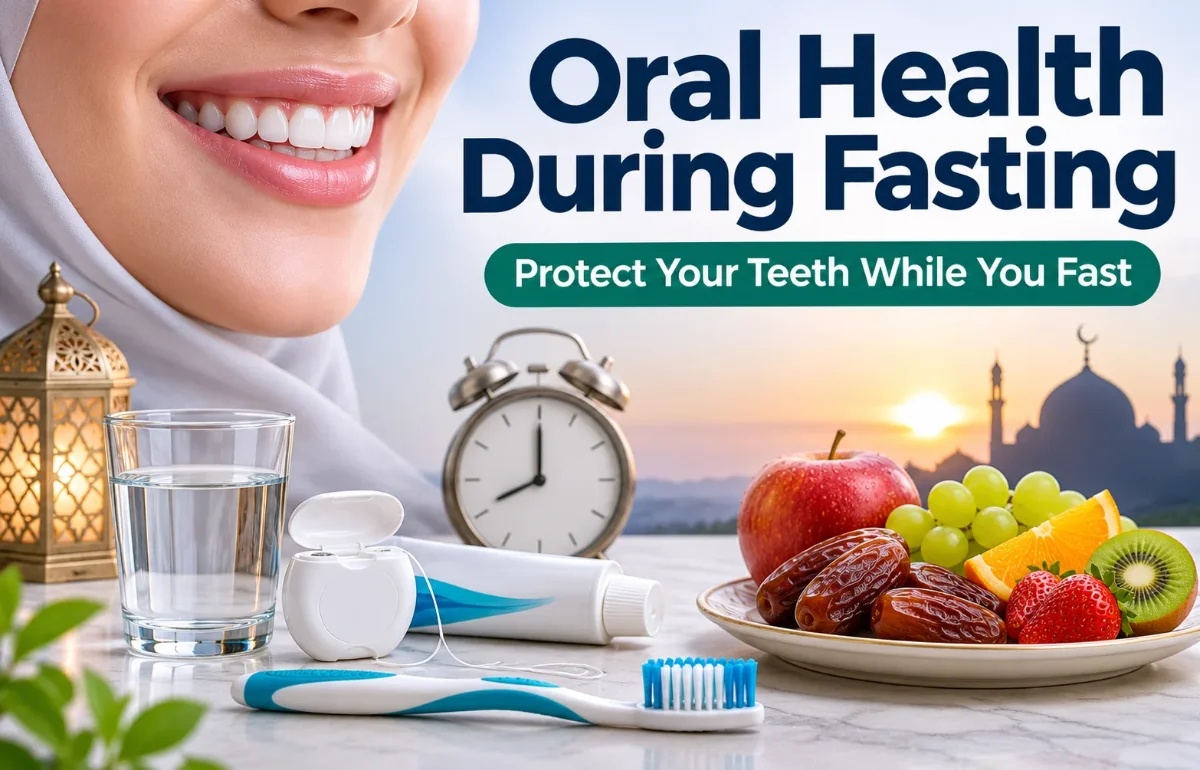
Fasting is a meaningful spiritual practice in many traditions, from Navratri and Ekadashi to Ramadan and Lent, but long hours without food or water can affect the mouth. The most common issues are dry mouth, bad breath, sensitivity and a higher risk of decay when fasts are broken with sugary foods. Simple habits help: brushing and cleaning between teeth at the right times, drinking plenty of water during non-fasting hours, choosing tooth-friendly foods to break the fast and keeping up regular dental check-ups. With a little planning, it’s possible to honour a fast while protecting your oral health.
Fasting cleanses the mind. Your mouth needs a little help along the way.
Why Fasting Affects the Mouth
Saliva is one of the body’s most important natural protectors. It washes away food particles, neutralises acids and helps repair early damage to tooth enamel. When you go many hours without eating or drinking, saliva flow usually drops.
That can lead to:
- Dry mouth, which may feel sticky or uncomfortable
- Bad breath, as bacteria multiply more easily
- Coated tongue
- Greater risk of decay if sugary foods follow the fast
- Sensitivity in people with existing dental problems
The NHS explains that dry mouth is often linked to dehydration and recommends sipping water regularly when possible and seeing a dentist or GP if the problem persists.
Fasting Traditions and Their Oral Health Challenges
| Fasting practice | Typical pattern | Oral health consideration |
|---|---|---|
| Navratri | Nine days, often with restricted foods | Sweets and fried foods may increase decay risk |
| Ekadashi | Day-long fast, sometimes without water | Dry mouth and bad breath |
| Ramadan | Sunrise to sunset without food or drink | Long dry periods and late-night eating |
| Lent | Abstaining from certain foods | Diet changes may affect sugar intake |
| Other personal fasts | Varies widely | Hydration and timing of brushing matter |
Every tradition is different, and individuals follow fasts in different ways, so it’s worth adapting oral care to your own practice.
When to Brush and Clean
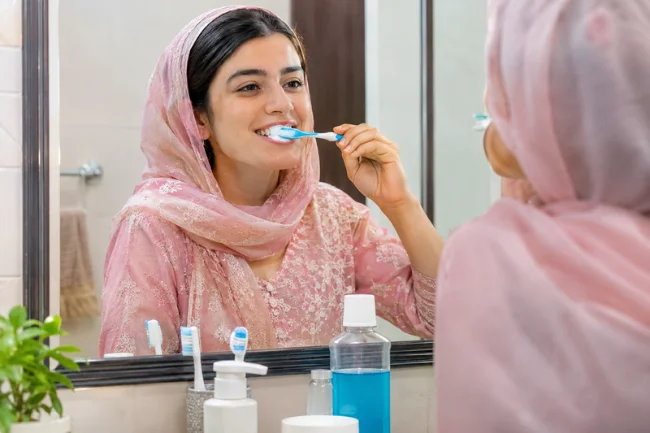
Timing matters during fasting periods:
- Brush thoroughly after the pre-dawn or first meal before the fast begins.
- Brush again after breaking the fast and after the final meal of the evening.
- Clean between teeth daily with floss or interdental brushes.
- Clean your tongue gently to reduce bacteria that cause bad breath.
- Wait a short while after acidic foods before brushing to protect softened enamel.
If your practice allows, rinsing the mouth with water during the day may help with comfort. Some traditions have specific guidance on this, so follow what feels right for your observance.
Breaking the Fast Kindly for Your Teeth
The foods eaten after fasting often include sweets, dried fruits and fried snacks, which are part of many celebrations. You don’t need to avoid them, but a few choices help:
- Start with water to rehydrate.
- Include fresh fruit, vegetables and protein.
- Enjoy sweets with a meal rather than snacking on them throughout the evening.
- Choose dairy foods such as yoghurt or paneer, which are gentler on teeth.
- Limit sticky foods that cling to teeth for long periods.
Grouping sugary foods into mealtimes gives saliva a better chance to recover between eating.
Managing Bad Breath
Bad breath is one of the most common concerns during fasting. To reduce it:
- Brush and clean the tongue at every opportunity outside fasting hours.
- Drink plenty of water during eating periods.
- Avoid strong-smelling foods such as raw onions and garlic before a fast.
- Treat any gum problems, which can cause persistent odour.
If bad breath continues after fasting periods end, it’s worth getting a dental check.
Planning Dental Visits Around Fasts
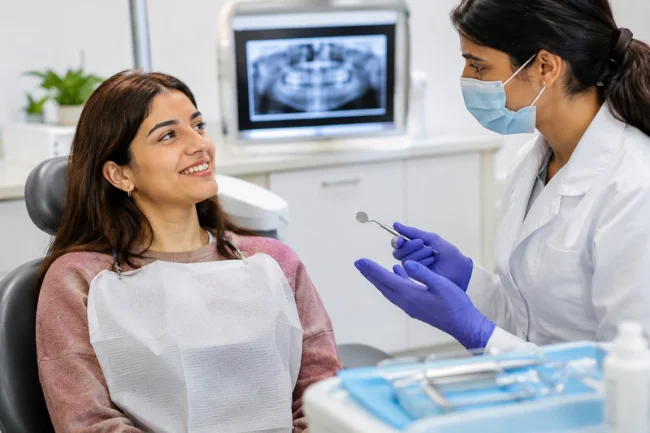
Routine check-ups and cleanings can usually fit around fasting, but some people prefer to schedule treatments before or after important observances. Booking appointments early in the day or outside fasting periods can make visits more comfortable.
A family dental practice such as Canon House Clinic in Beaconsfield can help you plan check-ups and hygiene appointments around religious calendars, and offer advice tailored to your fasting routine.
Who Should Take Extra Care
Some people should be especially cautious and speak to a healthcare professional before fasting:
- People with diabetes
- Those taking regular medication
- Pregnant or breastfeeding women
- Anyone with existing gum disease
- People prone to frequent mouth ulcers
Dental and medical advice can help you fast safely without risking your health.
Common Mistakes to Avoid
People often:
- Skip brushing late at night after festive meals
- Snack on sweets all evening
- Forget to rehydrate properly
- Ignore ongoing tooth sensitivity or pain
- Delay check-ups for long periods
A Healthy Practice, Inside and Out
Fasting is about discipline, reflection and care for body and spirit. Looking after your teeth is part of that care.
With thoughtful timing, good hydration and balanced choices when breaking the fast, you can honour your traditions while keeping your smile healthy all year round.
🛡 Disclaimer
This article offers general oral health guidance, not personalized dental or medical advice. Consult a qualified dentist or healthcare professional about persistent symptoms, existing health conditions, or dental treatments during fasting.

Daniel Reed is a dental health writer with 6 years of experience creating clear, research-informed content about oral hygiene, gum care, preventive habits, and everyday dental wellness. He focuses on making reliable information easy to understand while encouraging readers to seek professional dental care for diagnosis and treatment.