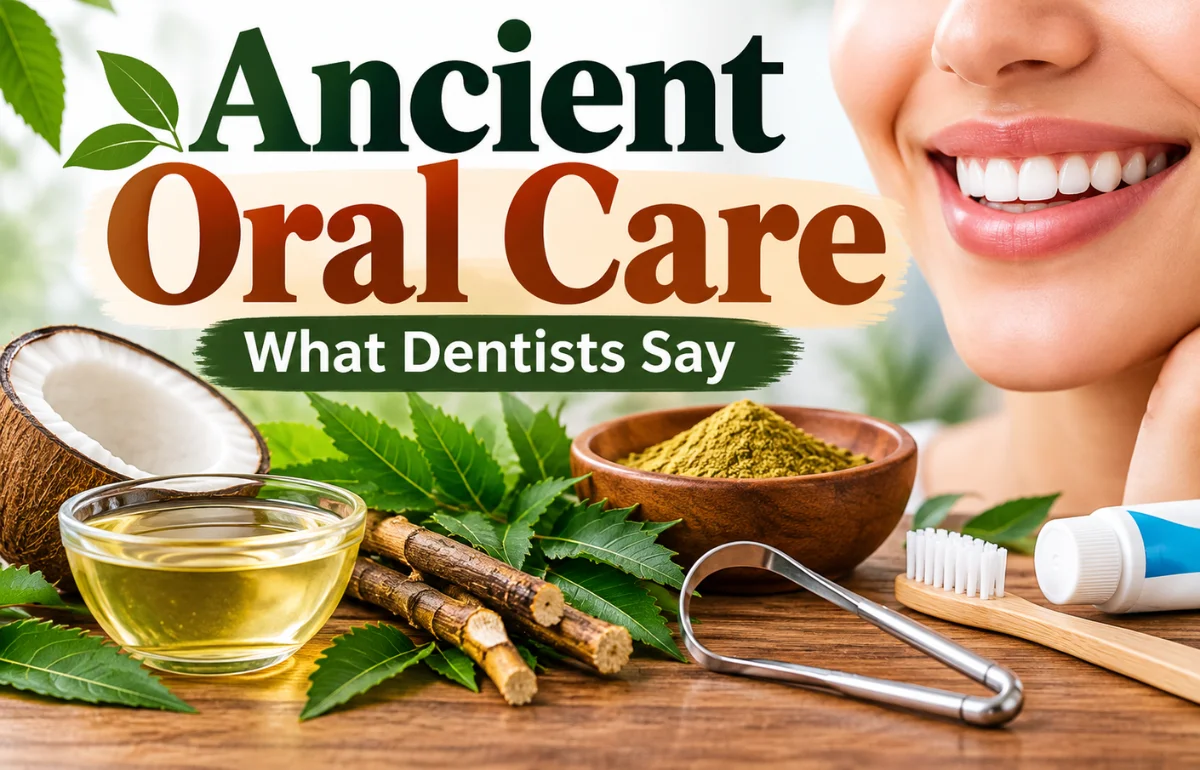
Traditional practices such as oil pulling, chewing neem twigs and tongue scraping have been part of daily rituals in India and other parts of the world for centuries, and many people still value them today. Some may offer modest benefits, such as helping freshen breath or reducing tongue coating, but modern dental research shows they can’t replace brushing with fluoride toothpaste, cleaning between teeth and regular dental check-ups. The healthiest approach for many people is to keep meaningful traditions as a complement to proven daily care, not a substitute for it.
Ancient rituals and modern science can sit side by side, as long as each plays the right role.
Roots in Ayurveda and Daily Ritual
In Ayurvedic tradition, caring for the mouth is part of a broader morning routine known as dinacharya, which includes cleansing, self-care and preparation for the day. Oral care practices were seen not only as hygiene but also as part of maintaining balance in body and mind.
These routines were passed down through generations, often learned from parents and grandparents. For many families, they remain a connection to heritage, mindfulness and a slower, more intentional start to the morning.
Traditional Oral Care Practices
Several traditional methods are still widely used:
| Practice | How it’s done | What evidence suggests |
|---|---|---|
| Oil pulling | Swishing a spoonful of oil, such as sesame or coconut, around the mouth before spitting it out | Small studies suggest possible effects on plaque or bad breath, but evidence is limited and of variable quality |
| Neem twigs | Chewing the end of a fresh twig to form bristles and cleaning teeth with it | Neem has natural compounds with antibacterial properties, but twigs don’t deliver fluoride |
| Tongue scraping | Gently removing coating from the tongue with a metal or plastic scraper | Can help reduce tongue coating, which may contribute to fresher breath |
| Herbal powders | Using blends of herbs and natural ingredients to clean teeth | Some powders can be abrasive and wear enamel over time |
Each of these practices has cultural value, but their health benefits vary.
What Modern Dentistry Says
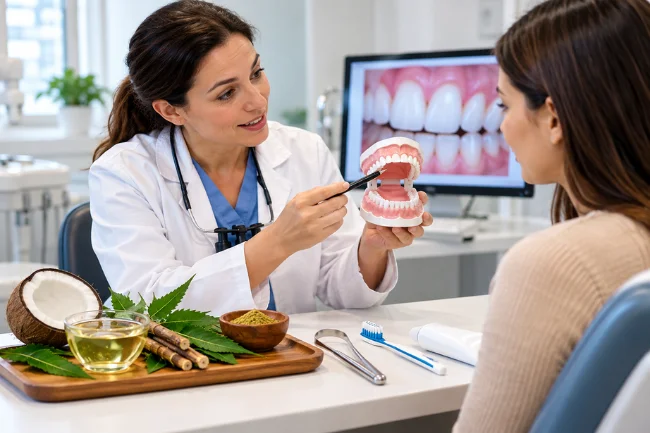
Dental professionals generally agree on a few key points:
- Traditional methods aren’t a replacement for brushing. Fluoride toothpaste remains one of the most effective ways to prevent tooth decay.
- Oil pulling evidence is limited. Most studies are small or short-term, so dentists don’t recommend it as a substitute for standard oral care.
- Tongue cleaning can help freshen breath. It’s a useful addition to brushing, especially for people with a noticeable tongue coating.
- Natural doesn’t always mean gentle. Abrasive powders or harsh scrubbing can damage enamel and gums.
- Regular dental visits are essential. Professional check-ups can spot problems early, even when teeth feel fine.
These points help separate useful traditions from claims that go beyond the available evidence.
Including Traditions Safely
If you value these rituals, they can still be part of your routine:
- Brush first with fluoride toothpaste as the foundation of your daily care.
- Add tongue scraping gently, moving from back to front without pressing too hard.
- Treat oil pulling as optional, rather than relying on it to prevent decay or gum disease.
- Spit oil into a bin, not the sink, as oils can clog pipes over time.
- Avoid abrasive powders that feel gritty or scratch the teeth.
- Keep chewing sticks clean and fresh if you use them, and still brush with fluoride toothpaste.
- Tell your dentist about your routine so they can offer personalised advice.
This approach lets you honour tradition while protecting your teeth and gums.
The Modern Essentials
Whatever traditions you follow, a few daily habits remain the most important for healthy teeth. The NHS guide on how to keep your teeth clean recommends brushing for about two minutes at least twice a day with fluoride toothpaste, spitting out excess toothpaste rather than rinsing straight away, and cleaning between teeth with floss or interdental brushes.
Limiting sugary snacks and drinks, especially between meals, and avoiding smoking also play a major role in preventing decay and gum disease.
When to See a Dentist

Even with careful daily care, it’s important to have regular dental check-ups. See a dentist promptly if you notice:
- Bleeding gums when brushing or flossing
- Persistent bad breath
- Tooth sensitivity or pain
- Loose teeth or receding gums
- Discolouration or changes in the appearance of your teeth
Practices on London’s Harley Street and other experienced dental teams can assess your oral health and explain how to combine your preferred routine with treatments and habits that keep your smile healthy for years to come.
Blending Wisdom and Evidence
Traditional oral care practices carry centuries of cultural meaning and can still be part of a mindful daily routine. Tongue scraping and other rituals may offer small benefits, but they work best alongside proven essentials like fluoride toothpaste, cleaning between teeth and regular dental visits.
By combining respect for tradition with modern dental knowledge, you can care for your smile in a way that feels both meaningful and effective.
ⓘ Medical Disclaimer
This article is for general informational and educational purposes only and does not constitute professional dental or medical advice. Traditional oral care practices should not replace recommended dental hygiene or treatment. Always consult a qualified dentist before making changes to your oral care routine, especially if you have existing dental concerns.

Daniel Reed is a dental health writer with 6 years of experience creating clear, research-informed content about oral hygiene, gum care, preventive habits, and everyday dental wellness. He focuses on making reliable information easy to understand while encouraging readers to seek professional dental care for diagnosis and treatment.