
Dryness, dullness, and a crepey texture are common reasons patients seek aesthetic treatment, but these concerns do not always have the same cause. One patient may have dehydrated skin that lacks radiance, while another may be noticing fine lines, reduced elasticity, or cumulative sun damage.
Belotero Revive is designed for treatment plans focused on skin quality rather than major changes to facial shape. However, its suitability depends on a proper assessment, realistic expectations, and a clear understanding of what an injectable hyaluronic acid treatment can—and cannot—achieve.
Dry, dull, and crepey skin are not interchangeable concerns
Although patients often use these descriptions together, each one can point to a different underlying issue.
Dry skin generally refers to insufficient oil production and a weakened skin barrier. Dehydrated skin lacks water and may temporarily appear tight, lined, or less radiant. Dullness can result from dehydration, uneven texture, pigmentation, slow surface-cell turnover, environmental exposure, or an unsuitable skincare routine.
Crepey-looking skin usually describes thin, finely wrinkled skin with reduced firmness and elasticity. It may become more visible with age, sun exposure, changes in collagen and elastin, or loss of underlying support.
A skin-quality injectable may help when hydration, fine texture, or early age-related changes are central to the concern. It will not necessarily correct pigmentation, substantial laxity, active skin disease, or structural volume loss.
What is Belotero Revive?
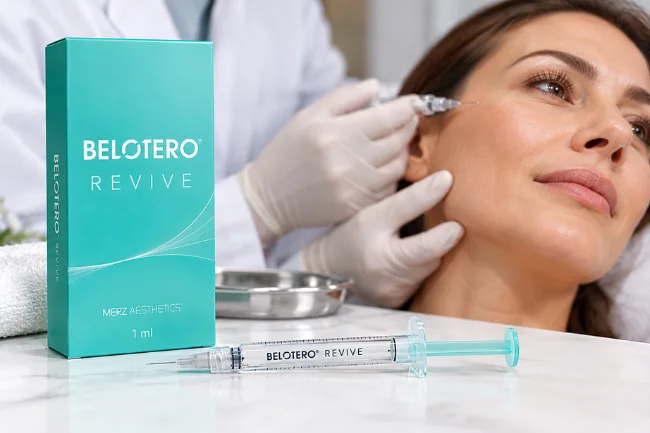
Belotero Revive is an injectable product from Merz Aesthetics formulated with 20 mg/ml of cross-linked hyaluronic acid and 17.5 mg/ml of glycerol. The combination is designed to support hydration and improve visible aspects of skin quality, including texture, elasticity, firmness, and the appearance of fine lines.
Hyaluronic acid attracts and retains water within the tissue. Glycerol is also a humectant, meaning it helps bind water. Their combined role makes the treatment relevant to patients whose skin appears dehydrated, rough, or less resilient.
Unlike fillers selected primarily to restore projection, enhance contours, or replace substantial facial volume, Belotero Revive is positioned around skin revitalization. It is still part of the dermal filler category, however, and should not be described as a cosmetic facial or a completely non-filler procedure.
For clinics considering belotero revive, Fraya supplies the professional product as a 1 ml prefilled syringe. Before purchasing or administering it, the clinic should verify local authorization, the current instructions for use, practitioner eligibility, packaging integrity, batch details, expiration date, and storage conditions. CE certification should not be interpreted as automatic approval in every market.
Which patients may be suitable candidates?
Belotero Revive may be considered when assessment identifies skin quality as the primary issue. This can include patients concerned about:
- persistent dehydration and reduced radiance
- fine superficial lines
- rough or uneven-looking texture
- reduced elasticity or firmness
- early visible signs of skin aging
- crepey-looking skin in an appropriate treatment area
The treatment can be relevant to patients who want a fresher appearance without significant contouring. Nevertheless, “natural” and “subtle” are subjective descriptions. Before treatment, the practitioner should establish what the patient expects to change and whether that expectation is achievable.
Chronological age alone is not a sufficient selection criterion. A younger patient may have dehydrated or sun-damaged skin, while an older patient may be more concerned about structural laxity or volume loss that a hydration-focused treatment cannot adequately address.
When another approach may be more appropriate
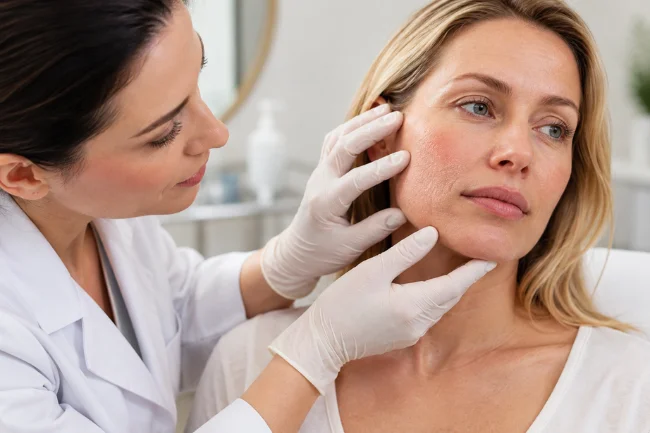
Not every patient describing dry, dull, or crepey skin requires an injectable treatment.
A damaged skin barrier
Flaking, sensitivity, burning, or persistent tightness may indicate a compromised barrier or dermatological condition. Appropriate skincare or medical assessment may be more important than an injectable procedure.
Pigmentation and uneven tone
Brown spots, melasma, post-inflammatory pigmentation, and visible vessels can all make skin appear dull. Belotero Revive should not be presented as a direct treatment for every type of discoloration.
Significant skin laxity
Improved hydration may make fine lines appear softer, but it cannot reproduce the tightening effect of procedures designed for more advanced laxity. Patients with loose or redundant skin need an honest discussion about the likely limits of treatment.
Structural volume loss
Hollows, flattened cheeks, or reduced facial support may create shadows that make the face look tired. A skin-quality product does not provide the same structural correction as a volumizing filler.
Active skin disease
Inflammation, infection, uncontrolled acne, dermatitis, or unexplained lesions should be assessed before any elective injectable procedure. Treatment should be postponed when the condition of the skin makes injection inappropriate.
Building the consultation around skin quality
A useful consultation separates the patient’s description from the practitioner’s clinical findings. “My skin looks dry” may mean visible roughness, fine lines, tightness after cleansing, or simply dissatisfaction with how makeup sits.
The assessment should consider:
- skin texture, thickness, and elasticity
- hydration and barrier condition
- pigmentation and vascular changes
- previous aesthetic treatments
- skincare products and active ingredients
- sun exposure and smoking history
- medical conditions and medication
- the areas the patient wants treated
- the degree of change they expect
Standardized photographs taken in consistent lighting can make subtle changes easier to evaluate. They also help prevent the patient from comparing a clinical result with filtered images or photographs captured under completely different conditions.
Injectable hydration does not replace daily skincare
An injectable treatment may support skin quality, but it cannot compensate for an unsuitable daily routine. Patients should continue to protect the skin barrier and limit factors that contribute to dryness and premature aging.
A broader plan may include:
- gentle cleansing
- a moisturizer appropriate for the patient’s skin
- regular broad-spectrum sun protection
- carefully selected active ingredients
- avoidance of excessive exfoliation
- management of relevant dermatological conditions
- smoking cessation and other appropriate lifestyle changes
Other professional treatments may also be considered when the patient has pigmentation, deeper wrinkles, more advanced laxity, or a combination of concerns. Any multimodal plan should be introduced gradually and coordinated to avoid unnecessary irritation or overlapping recovery periods.
Safety and professional-use boundaries
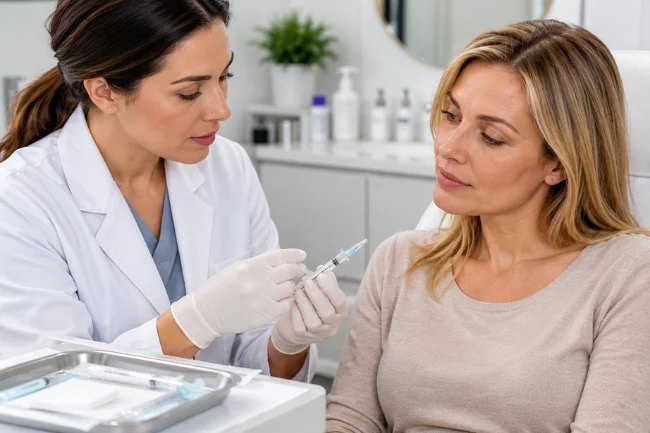
Belotero Revive is an injectable medical product intended for qualified professionals. Treatment should take place in an appropriate clinical environment and only after the patient has been assessed for contraindications and procedural risk.
Common short-term injection-site reactions can include redness, swelling, tenderness, itching, bruising, or temporary unevenness. Less common complications may include infection, inflammatory reactions, persistent nodules, or product-related irregularities. Facial injections also carry rare but serious vascular risks.
Before treatment, the practitioner should explain potential adverse effects, alternatives, expected recovery, and the process for obtaining assistance if concerning symptoms develop. The clinic should also maintain accurate records of the product, batch number, treatment area, and procedure.
Detailed contraindications, precautions, and aftercare instructions must be based on the current manufacturer documentation and local regulations. A general product description should never replace the official instructions for use or appropriate clinical training.
The right product follows the right diagnosis
Belotero Revive can fit treatment plans for patients whose main concerns are dehydration, reduced radiance, fine lines, or early deterioration in skin texture and elasticity. Its combination of cross-linked hyaluronic acid and glycerol makes it particularly relevant when the goal is to improve skin quality without pursuing substantial facial reshaping.
It is not a universal solution for every form of dry, dull, or crepey-looking skin. Pigmentation, barrier damage, dermatological disease, significant laxity, and structural volume loss may require different or complementary approaches.
The most convincing results begin with accurate patient selection. When the cause of the concern, limitations of treatment, and expected degree of change are discussed clearly, Belotero Revive can be positioned as one component of a considered, long-term skin-quality plan.
⚕️ Medical Disclaimer
This article is for educational purposes only and does not replace professional medical advice. Belotero Revive is an injectable treatment with potential risks and may not be suitable for everyone. Always consult a qualified medical professional before considering treatment and verify local product authorization.

Mia Anderson is a skincare writer with 8 years of experience creating practical, research-informed content about skincare routines, skin health, ingredients, and everyday self-care habits. She focuses on helping readers understand skincare choices through simple explanations and realistic routines while encouraging professional advice for specific skin concerns.