
A photograph from a night out lands in the group chat. Soon, friends are comparing waistlines and commenting on who has changed. You wanted to share a memory, not invite a verdict.
Appearance pressure can come from familiar voices as well as influencers. The Mental Health Foundation’s 2019 survey of teenagers in Great Britain included friends’ comments alongside social-media images among reported influences on body-image worries.
You can ask people to change how they speak about your body without defending how it looks.
Respond to advice you did not ask for
Keep the request specific: “Please stop suggesting ways to change my appearance. I’ll ask if I want advice.”
Even if you have asked a friend to share a procedure page such as Breast Enlargement Manchester, you can still set limits: “I wanted information, rather than opinions about my body.” You can also close the subject altogether: “I’d like to leave this here.”
A conversation you welcomed last month might feel intrusive today. Explain what would help now, whether that is listening, answering a particular question, or changing the subject.
Keep the focus on how you wish to be spoken to, rather than whether you “need” a change. Otherwise, a request to stop commenting becomes another debate about your appearance.
Be clear about sharing photographs

“Please check with me before posting photographs of me” is more useful than hoping friends will recognise which pictures you dislike. Agreeing to pose for a photograph is separate from agreeing to every way it might be shared.
If an image is already online, ask for the action you want: “Please take that photograph down, and check before uploading another.” Keep the discussion about sharing; listing features you find unflattering can invite unwanted reassurance or opinions.
Removing your tag leaves the uploaded photograph in place.
If your concern is the picture remaining visible, ask for its removal rather than simply to be untagged. Before a gathering, a brief message about checking photographs before posting can establish your preference early. Offer to apply the same rule to everyone in your own pictures.
Step out of group-chat body comparisons
A conversation can feel uncomfortable even when nobody is commenting directly on you. Friends might compare old photographs, rank bodies, or repeatedly discuss who looks thinner.
Try a short response: “I’d rather we didn’t compare bodies in here.” Then suggest another subject, perhaps arrangements for the next meet-up.
A private message gives you space to explain your request away from an audience, particularly if addressing the whole group feels awkward.
If someone presses for a reason, “I don’t enjoy these conversations” is enough. The request can stand even when others feel differently about the topic.
Follow through when a request is ignored
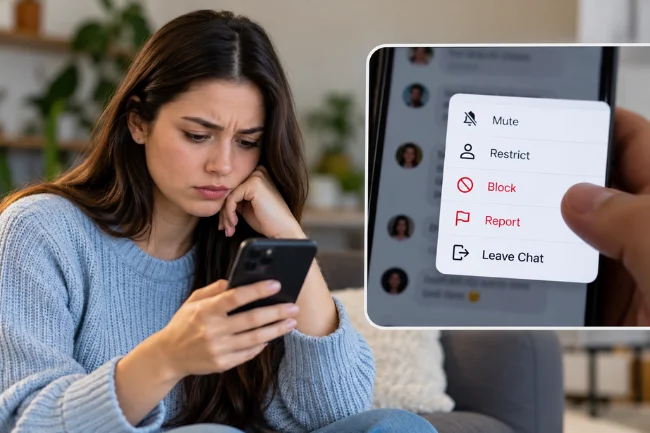
An initial request might be misunderstood. Clarify its scope: “I mean all comments about my size, including compliments.”
If the behaviour continues, choose a response you can carry out. “If this carries on, I’m going to leave the conversation” is clearer than another lengthy explanation. Follow through by stepping away.
Depending on the situation, you could leave a chat, restrict who can contact you, or stop sharing photographs with that person. For repeated targeting or harassment, consider blocking or reporting the account and keeping screenshots.
A clumsy remark and persistent targeting call for different responses. Choose according to the behaviour, without waiting to settle what the other person intended.
Support friends without assessing their bodies
When a friend expresses distress about their appearance, ask what would help: listening, practical support or a change of subject. Pause before recommending a treatment or debating whether their concern is visible.
When asked for an opinion, clarify the question. Feedback about whether an outfit suits an occasion is different from being asked to judge someone’s body.
If you have crossed a boundary yourself, offer a straightforward apology and act on the request. Remove the photograph or stop the comments, instead of explaining at length why you meant well.
Persistent appearance worries that affect work, relationships or everyday activities are worth discussing with a GP. Friendship can offer support alongside that help. You can care about someone while leaving their body out of the conversation.

Sophia Bennett is a mental health writer with 8 years of experience creating thoughtful, research-informed content about emotional wellbeing, stress management, mindfulness, self-care, and healthy coping strategies. She focuses on making mental wellness topics easier to understand while encouraging readers to seek support from qualified mental health professionals when needed.