

Tension reshapes skin architecture far beyond superficial fatigue. Chronic psychological strain triggers chemical cascades that manifest as severe breakouts and persistent dehydration.
Targeted clinical interventions mitigate this biological damage effectively. At RO Aesthetics, a medical spa in Salt Lake City, patients access modalities engineered to stabilize texture and restore dermal barriers.
The Biological Link Between Stress and Skin Health
Biological degradation begins within the endocrine system. Adrenal glands flood the bloodstream with cortisol during high-tension events. This survival mechanism primes the body for immediate physical threats.
Chronic activation severely sabotages cellular regeneration. Oil glands overdrive while hydration reserves plummet rapidly.
Cortisol Production and Chronic Breakouts
Cortisol dictates sebum regulation alongside primary metabolic functions. Spiking hormone levels force sebaceous glands to overproduce heavy oils. Deep follicular blockages form almost instantly.
Cystic acne typically concentrates along the lower jawline. These inflamed nodules resist standard extraction methods. Specialists prescribe high-concentration chemical exfoliants to eradicate bacterial overgrowth safely.
Systemic Inflammation and Barrier Disruption
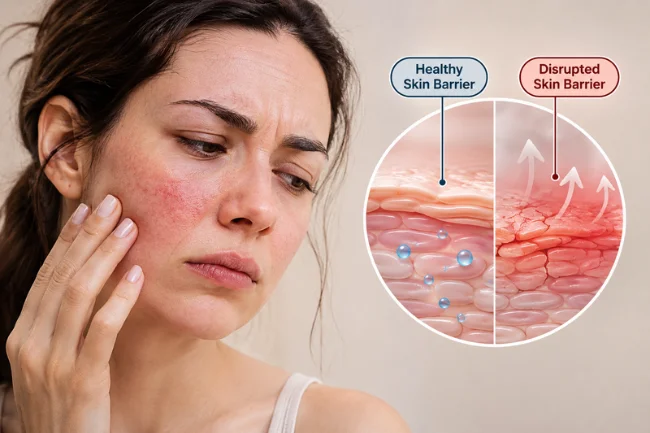
Epidermal lipids construct a defensive shield against external pollutants. Constant psychological strain degrades these protective lipid bonds. Inflammatory cytokines dismantle the skin’s structural integrity entirely.
Moisture evaporates rapidly through this compromised defense network. Chronic conditions like rosacea escalate aggressively during high anxiety. Replenishing lost ceramides calms these intense flare-ups.
Identifying the Visible Signs of Stress
Physical manifestations materialize through gradual accumulation. Weeks of fractured sleep quietly sabotage cellular turnover before obvious damage registers. These deteriorations often mimic accelerated chronological aging.
Severe epidermal thickening results from stalled cellular shedding. Patients also develop pronounced structural creasing tied to acute water loss. Recognizing these biomarkers allows practitioners to intercept damage early.
The Acceleration of Premature Aging
Fibroblasts generate the structural networks responsible for dermal tension. Chronic anxiety accelerates collagen collapse via free radical proliferation. Microscopic fissures soon deepen into permanent furrows.
Dehydrated tissues fold easily under mechanical stress. Preserving these protein frameworks requires aggressive biological defense. Controlled clinical wounding stimulates fresh protein generation effectively.
Surface Dullness and Uneven Pigmentation
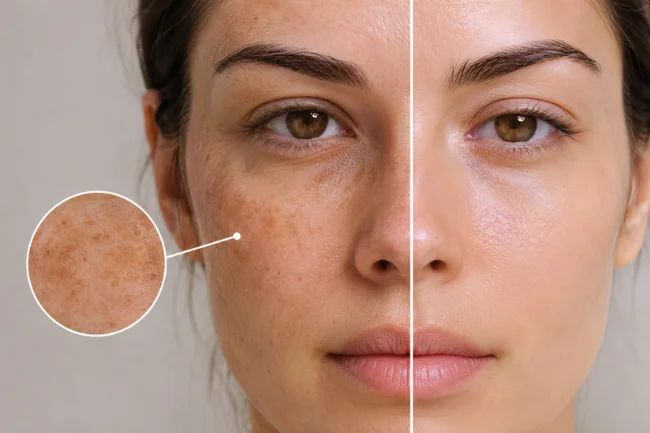
Radiant complexions require synchronized cellular behavior. Sleep deprivation and cortisol spikes fracture this natural biological rhythm. Stressed systems hoard necrotic biological debris.
Thick layers of dead keratinocytes create an ashen appearance. Systemic tension amplifies existing hyperpigmentation. Forcing cellular turnover shatters isolated pigment clusters and restores uniform light reflection.
How Modern Med Spa Treatments Reverse Stress Damage
Advanced aesthetic modalities counteract specific biological failures triggered by tension. These procedures directly alter tissue behavior to rebuild compromised structures. They eradicate compacted debris and physically remodel damaged collagen.
Deep dermal remodeling requires pharmaceutical-grade compounds. Clinical practitioners map individual deficiencies during comprehensive consultations. They then assign the exact intervention required for total cellular recovery.
Chemical Peels for Deep Exfoliation
Hydroxy acids dissolve the desmosomes anchoring necrotic cells. This controlled chemical destruction forces immediate tissue shedding. Calibrated acid concentrations obliterate compacted comedones and lift superficial melanin.
Fresh, structurally sound tissue emerges following complete desquamation. Acid selection requires extreme precision to prevent complications. Reactive skin types reject overly aggressive formulations.
Microneedling for Structural Restoration
Mechanized needles drive micro-perforations through the dermal-epidermal junction. These physical wounds force the immune system into an emergency healing cascade. Fibroblasts immediately synthesize fresh type-I collagen arrays.
Structural density increases significantly over subsequent weeks. This modality forces complete biological remodeling rather than mere surface exfoliation. Clinicians frequently infuse platelet-rich plasma to accelerate matrix reconstruction.
Hydrating Facials for Barrier Repair
Acute dehydration generates localized dermal pain. Hydro-dermabrasion systems extract follicular impactions using pneumatic vacuums. They simultaneously flood the stratum corneum with specialized humectants.
The device infuses high-weight hyaluronic acid into cleared pathways. This dual-action mechanism instantly plumps deflated tissues. The resulting surface reflects light flawlessly.
Building a Sustainable Skin Defense Strategy
Clinical interventions force rapid structural shifts. Long-term preservation relies on strict daily compliance. Sun avoidance and biological topicals dictate the lifespan of any clinical result.
Aesthetic devices physically repair existing cellular damage. They cannot block ongoing biochemical assaults generated by daily anxiety. Practitioners analyze healing trajectories to modify treatment frequencies accordingly.
Integrating Medical-Grade Topicals
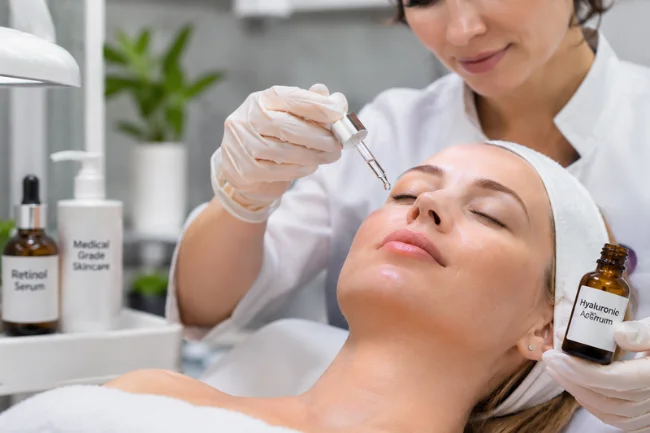
Pharmaceutical-grade serums sustain clinical results between clinic visits. These highly concentrated formulations actively suppress melanin synthesis. They also rebuild lipid shields and neutralize destructive free radicals.
Hyaluronic acid binds atmospheric moisture to the epidermis. Retinoic acid forces the rapid division of basal cells. Specialists architect precise protocols to maximize penetration without destroying the acid mantle.
The Importance of Routine Consistency
Sporadic intervention fails to override genetic programming. Erratic product hopping actively destabilizes the microbiome. Patients must maintain active cleansing and chemical ultraviolet filtration. A simple morning sequence of cleansing, light moisturiser and sunscreen also helps protect the skin from dehydration caused by heat and air conditioning, as this guide on preparing skin so makeup stays fresh all day explains.
Shielding the tissue from radiation preserves newly generated collagen. Clinical technology amplifies baseline health but cannot substitute for daily compliance. Strict daily regimens exponentially extend the visible impact of clinical procedures.
Reverse Stress-Induced Skin Damage with Professional Care
Psychological burden permanently alters dermal architecture. Surging hormones generate deep cystic acne and rapid moisture evaporation. Specialized clinical procedures intercept this damage to physically reconstruct the tissue.
Mechanized needles rebuild fragmented collagen while targeted acids dissolve necrotic buildup. Treatment efficacy depends entirely on matching the correct physical modality to the biological failure. Patients can visit RO Aesthetics, a medical spa in Salt Lake City, to initiate targeted recovery protocols.
ⓘ Medical Disclaimer
This article is for informational purposes only and does not replace professional medical advice. Skin conditions and treatment results vary. Consult a qualified dermatologist before undergoing chemical peels, microneedling, or other med spa treatments.

Mia Anderson is a skincare writer with 8 years of experience creating practical, research-informed content about skincare routines, skin health, ingredients, and everyday self-care habits. She focuses on helping readers understand skincare choices through simple explanations and realistic routines while encouraging professional advice for specific skin concerns.