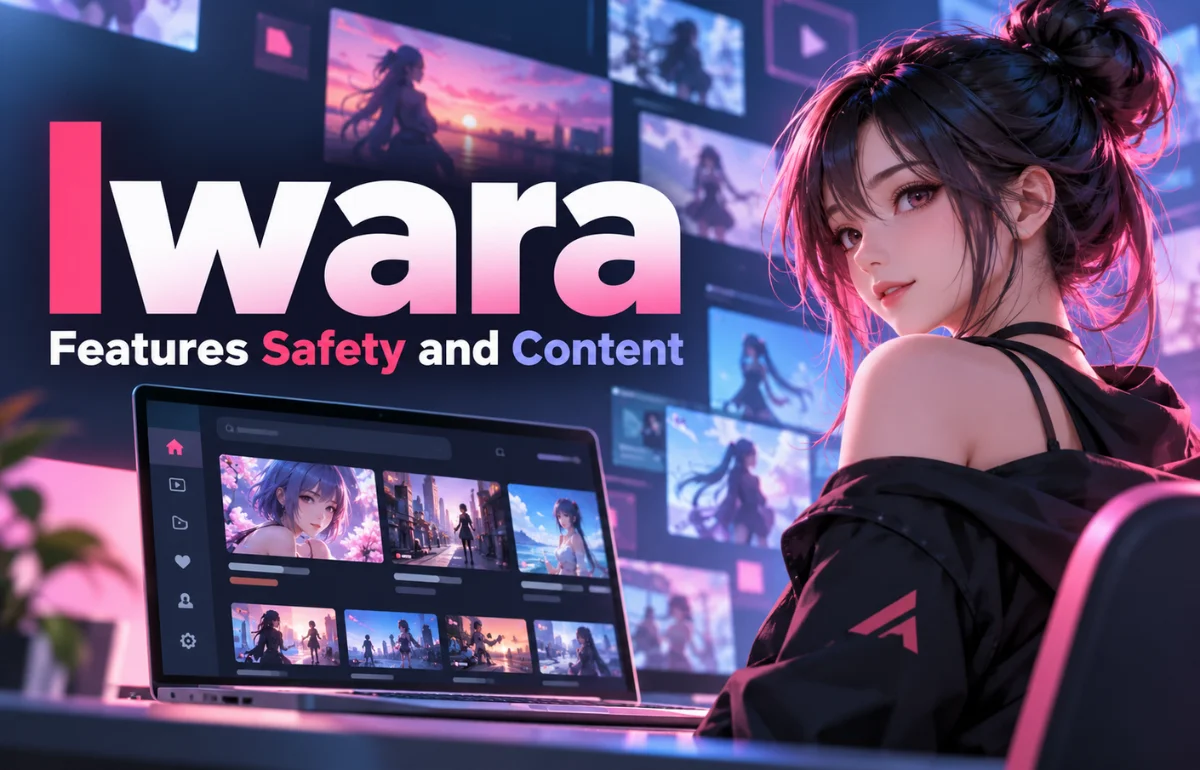
Iwara is an online video-sharing platform primarily known for hosting MikuMikuDance (MMD) animations, anime-inspired 3D videos, and user-generated digital artwork. Unlike mainstream video websites, Iwara focuses on a specialized community of independent animators and fans of Japanese-style computer-generated content. It hosts both general-audience and adult-oriented material, making content settings and age restrictions relevant considerations for visitors.
The platform allows people to discover animations, follow creators, interact with uploaded content, and share their own projects. Its strong connection to MMD culture has made it recognizable among enthusiasts of virtual characters, digital choreography, and fan-made animation.
In this article, I’ll explain how Iwara works, what makes it different, and what viewers and creators should understand before using it.
What Is Iwara, and Why Is It Popular?
Iwara is best understood as a specialized content-sharing community rather than another competitor to YouTube.
While mainstream platforms cover nearly every imaginable subject, Iwara concentrates heavily on computer-generated animation, especially videos created using MMD and related 3D animation tools.
Its appeal comes from three characteristics: a recognizable animation community, creator-focused content discovery, and space for material that may face restrictions on conventional platforms.
I find this distinction useful because someone searching for Iwara may expect an animation application or downloadable software. In reality, it is primarily a website for publishing and watching finished creative work.
The website is associated with the domain iwara.tv.
The History and Evolution of Iwara
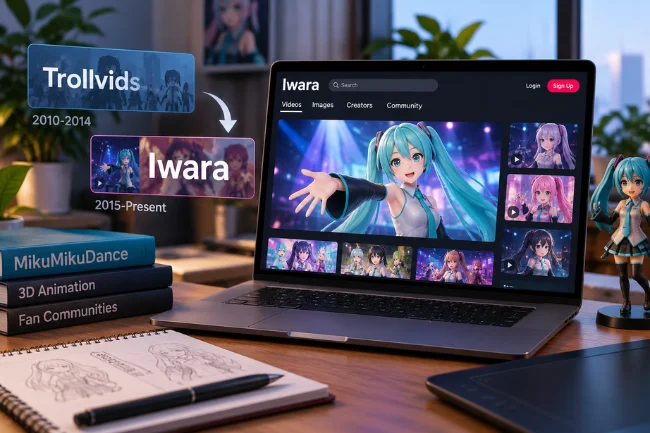
Iwara’s history is closely connected to the development of online fan-animation communities.
Its roots trace back to Trollvids, an earlier video-sharing project associated with enthusiasts of MMD content. The platform evolved into Iwara around 2015–2016, offering a more recognizable identity for the growing community.
At the time, independent animators often relied on websites such as YouTube, Nico Nico Douga, and other video-hosting services to distribute their creations.
However, content restrictions and differences in moderation policies made certain categories of animation difficult to publish.
Iwara developed an audience by serving this specialized demand.
Over time, it introduced and expanded community-oriented functions, including user profiles, content discovery, favorites, and interactions between creators and viewers.
Its history also demonstrates how smaller online communities can develop around specific creative interests without attempting to appeal to everyone.
Understanding the Connection Between Iwara and MikuMikuDance
To understand Iwara properly, I believe it helps to understand MMD first.
What Is MikuMikuDance?
MikuMikuDance, usually abbreviated as MMD, is a free 3D animation program created by Yu Higuchi and released in 2008.
It was originally designed to animate Hatsune Miku, the virtual singer associated with Vocaloid technology.
The software enables users to position 3D characters, control movements, adjust cameras, create lighting effects, and produce animated videos.
Over the years, MMD has developed a substantial international community.
Creators can work with character models, motion data, stages, accessories, and visual effects to produce animations ranging from simple dances to elaborate cinematic sequences.
Educational resources such as LearnMMD explain the software and its creative applications.
Why MMD Creators Use Iwara
MMD artists need more than animation software. They also need somewhere to publish their finished work and connect with interested viewers.
Iwara provides that community-oriented distribution space.
For instance, a creator might develop a character animation using MMD, render it as a video, and upload the finished result for others to watch.
Viewers can discover the creator’s work and explore additional uploads.
One distinction is worth remembering: Iwara hosts animations, but it does not replace the software required to create them.
What Types of Content Are Available on Iwara?

Although MMD animations are central to its identity, Iwara is not limited to one animation style.
3D Dance Animations
Dance videos are among the most recognizable forms of MMD content.
Creators animate virtual characters performing choreographed movements, often synchronized with music.
These projects may involve detailed motion capture, expressive character movements, customized backgrounds, and advanced lighting.
Anime-Inspired Digital Animation
The platform also attracts artists producing short computer-generated scenes featuring anime-style characters.
Some projects emphasize visual design, while others focus on storytelling, character interactions, or experimental animation techniques.
Fan-Made Creative Projects
Fan animation is another important part of the community.
Creators sometimes develop work inspired by established fictional characters, games, music, and animation franchises.
However, fan-made content does not automatically carry permission from the original intellectual-property owners.
Mature and Age-Restricted Videos
Iwara also hosts adult-oriented animations.
This characteristic distinguishes it from many general-purpose platforms and makes it unsuitable for children.
Adult-content visibility can depend on platform settings, account access, and content restrictions. Visitors should review these controls before browsing.
Not every upload is adult-oriented, but the presence of mature content is an essential part of understanding the website.
Key Features of the Iwara Platform
Iwara combines conventional video-sharing functionality with features intended for an animation-focused audience.
Video Search and Content Discovery
Search functions help users find videos associated with particular creators, characters, or animation interests.
Depending on the available interface and filters, visitors may discover content through titles, tags, browsing pages, and creator profiles.
Accurate descriptions and relevant keywords make videos easier to identify.
Creator Profiles and Followers
Individual creator profiles offer a way to explore work from the same animator.
Following a creator can make it easier to keep track of their future uploads.
For niche communities, this relationship matters because audiences often return for a particular artist’s animation style rather than a trending topic.
Likes, Comments, and Playlists
Community engagement is another recognizable aspect of Iwara.
The platform has supported interactions such as likes, comments, favorites, and playlists.
These functions help viewers organize interesting uploads and provide feedback to artists.
I would treat engagement numbers as indicators of audience interest, not reliable measures of technical animation quality.
Premium and Platform-Specific Features
Iwara has also offered premium-related functionality and a system called Wura.
However, pricing, eligibility, and available benefits can change.
I recommend checking the current official information before purchasing anything or assuming that a particular paid feature remains available.
How to Use Iwara as a New Visitor
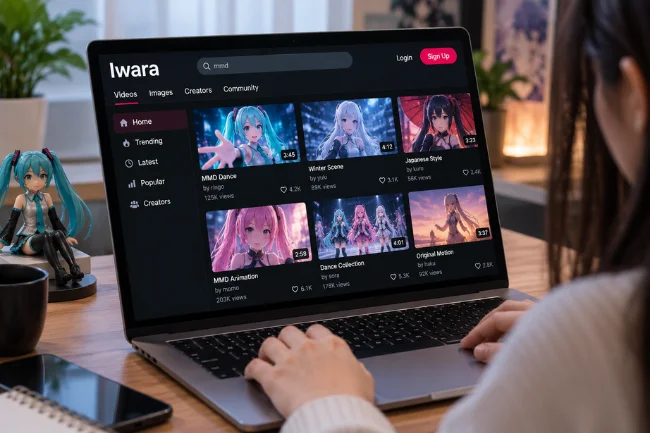
Getting familiar with Iwara begins with understanding its browsing environment.
Finding Videos
Start by visiting the established website address and examining the available navigation options.
Search for a creator name, animation title, or relevant MMD term.
Once you find an interesting video, its accompanying information may help identify the animator and related work.
I generally recommend exploring creator profiles rather than relying exclusively on popular-content listings.
This approach often produces a more consistent viewing experience because it emphasizes individual artistic styles.
Creating an Account
Some browsing activities may be available without signing in, while additional functionality can require registration.
The registration process and account requirements should be checked directly on the current website.
A registered profile may provide access to features such as following creators, organizing favorites, commenting, and managing personal preferences.
Visitors should also review age-related access requirements and sensitive-content settings.
I would avoid registering through an unfamiliar website that merely claims to be an official Iwara portal.
How Creators Can Publish Content on Iwara
For independent animators, Iwara can function as a destination for sharing completed creative projects.
The publishing process generally involves preparing an animation, exporting a compatible video file, and submitting it through the platform’s available upload interface.
However, successful publishing involves more than uploading a file.
Prepare the Video Properly
Good presentation starts with a properly rendered video.
Creators should pay attention to resolution, frame rate, audio synchronization, lighting, and compression.
MP4 with H.264 encoding is a widely compatible choice for online video, although Iwara’s current upload specifications should be checked before submission.
I also suggest watching the complete exported file before publishing. Small rendering errors can become much more noticeable after compression.
Write Accurate Titles and Descriptions
A useful video title should describe the actual content rather than rely on unrelated trending keywords.
Descriptions can identify the animation software, artistic inspiration, and contributors.
Relevant tags may improve discovery when supported by the website.
For multilingual audiences, a clear English description alongside appropriate original-language terms can also make content easier to understand.
Copyright, Attribution, and Creator Responsibility
Copyright is one of the most overlooked aspects of fan-made 3D animation.
A single MMD project may incorporate multiple creative assets, each governed by separate permissions.
These can include character models, motion files, music, textures, background environments, and special effects.
The fact that an asset is freely downloadable does not necessarily mean it is available for unrestricted redistribution or commercial use.
Before publishing, I recommend checking the permissions attached to every significant component.
A practical attribution record should identify:
- The creator of the character model.
- The source of motion and choreography data.
- The music owner and relevant usage permission.
- The creators of stages, effects, and additional assets.
This record also helps if an artist later requests clarification or changes to a published work.
Permission to use a model in an animation is not necessarily permission to redistribute the model itself.
That distinction can prevent avoidable disputes.
Iwara vs. Other Video-Sharing Platforms
Iwara serves a different audience from large, general-purpose video websites.
The following comparison illustrates their typical purposes rather than suggesting that any one platform is universally better.
| Platform | Main Focus | Audience | Main Distinction |
|---|---|---|---|
| Iwara | MMD and 3D animations | Animation enthusiasts and creators | Specialized community with mature-content categories |
| YouTube | General video entertainment and education | Global mainstream audience | Broad reach and extensive creator tools |
| Nico Nico | Videos, music, and Japanese internet culture | Japanese media and animation fans | Community-oriented viewing and timed comments |
| Pixiv | Illustrations, manga, and creative artwork | Digital artists and anime fans | Strong emphasis on visual artwork |
Which Platform Is Better for Animation Creators?
The answer depends on the work being published.
YouTube may be more suitable for mainstream animation tutorials, educational content, and broad audience development.
Nico Nico has strong cultural connections to Japanese online media and fan creativity.
Pixiv is particularly useful for illustrations and related visual art.
Iwara is more specialized, appealing to audiences already interested in MMD and similar animations.
Creators may benefit from different platforms for different types of work, provided their content complies with each service’s rules.
Is Iwara Safe to Use?

I consider website safety a combination of technical security, content suitability, privacy, and user behavior.
A website can have legitimate infrastructure while still presenting risks through misleading links, inappropriate material, or unsafe interactions.
Technical and Account Security
Security assessments have identified Iwara as a long-standing animation platform without obvious evidence of malicious behavior in the assessed domain.
Nevertheless, no external website should be treated as risk-free.
Visitors should confirm the website address, avoid suspicious downloads, use updated browsers, and maintain strong account passwords.
A legitimate-looking page does not guarantee that every external link appearing on it is trustworthy.
Age-Appropriate Browsing
Because Iwara hosts adult-oriented content, it is not an appropriate platform for children.
Adults who prefer general-audience animations should review available content-visibility controls.
Age restrictions and content labels should be treated as safeguards rather than guarantees that every unsuitable upload will be filtered correctly.
Privacy Considerations
Like other user-generated-content platforms, Iwara involves sharing information through profiles, uploads, and community interactions.
Before registering, I recommend reviewing the privacy policy and considering how much personal information is genuinely necessary to disclose.
Using a separate public creator identity may help artists maintain boundaries between their online projects and personal lives.
Users should also be cautious about unsolicited messages requesting passwords, payments, or account verification.
What Happened to Iwara in 2026?
An important development occurred in early 2026 when Iwara experienced a significant service disruption connected to problems with its hosting arrangements.
The incident raised concerns about access to videos, user accounts, and stored content.
In a January 17, 2026 data recovery announcement, the platform’s operators reported recovering critical information, including user data, video data, Wura balances, followers, playlists, and comments.
However, they also explained that some image files and video thumbnails had not been recovered.
The recovery announcement described plans to test restored data, make infrastructure changes, and move to new hosting services.
I think this incident offers a practical lesson for every digital creator: publishing content online should never replace keeping personal backups.
A hosting platform provides distribution, but it should not be the only storage location for original work.
Why Is Iwara Not Working Sometimes?
Website access problems can result from different causes, including local connection issues, browser settings, regional restrictions, or server-side faults.
Not every unavailable video indicates a platform-wide outage.
| Problem | Possible Explanation | What to Check |
|---|---|---|
| Website does not load | Server issue or local network problem | Official updates and another connection |
| Video does not play | Playback or browser compatibility issue | Browser updates and available quality options |
| Content appears unavailable | Account access or sensitive-content restriction | Login status and permitted visibility settings |
| Account login fails | Incorrect credentials or authentication issue | Official account recovery options |
| Uploaded content is missing | Processing, moderation, or technical issue | Account dashboard and official support |
Some community discussions in 2026 also described restricted videos appearing unavailable to viewers without the necessary access settings.
For that reason, an inaccessible video should not automatically be treated as permanently deleted.
I would start troubleshooting with ordinary browser and account checks before installing third-party extensions or downloading unfamiliar applications.
Why Iwara Matters to Independent Animation Communities
What makes Iwara interesting is not simply the presence of specialized videos.
It represents the broader relationship between creative software, online communities, and independent distribution.
MMD became influential partly because people could learn from existing animations, share creative assets where permitted, and develop their own styles.
Platforms such as Iwara provide another place where those completed projects can reach interested viewers.
This arrangement can help specialized creative communities remain visible even when their work does not fit mainstream publishing environments.
However, long-term value depends on responsible moderation, reliable infrastructure, respect for intellectual property, and user trust.
A niche audience is valuable, but it does not eliminate those responsibilities.
Common Misunderstandings About Iwara
Several misconceptions can confuse first-time visitors.
One is that Iwara itself is animation software. It is not; creators generally use external tools to produce the videos hosted there.
Another is that every video is adult-oriented. The platform contains general-audience animations as well, although mature content is a substantial part of its identity.
A third misunderstanding concerns downloads. A publicly viewable video is not automatically licensed for copying, redistribution, or commercial reuse.
Finally, users sometimes assume that every website containing the Iwara name is officially connected to the platform.
I recommend verifying domain addresses rather than trusting branding, search snippets, or claims made by third-party websites.
Frequently Asked Questions About Iwara
1. What is Iwara used for?
Iwara is primarily used to watch, publish, and discover MMD animations, anime-inspired 3D videos, and other creator-uploaded digital content.
2. Is Iwara free to use?
Iwara has offered free access to content alongside optional paid features. Current premium benefits and restrictions should be verified on the official website.
3. Is Iwara suitable for children?
No. Because the platform hosts adult-oriented animations, it is unsuitable for children, even though some content is intended for general audiences.
4. Can I download videos from Iwara?
Download availability depends on platform functionality and content permissions. Viewing a video does not automatically grant redistribution rights.
5. Is Iwara the same as MikuMikuDance?
No. MikuMikuDance is animation software, while Iwara is a video-sharing platform where creators can publish animations made using MMD and other tools.
Final Thoughts
Iwara occupies a distinctive place in the world of online animation because it serves a focused community of MMD creators and enthusiasts.
Its appeal lies in specialized content discovery, independent creative expression, and connections between artists and viewers.
At the same time, understanding its adult-content categories, copyright considerations, privacy risks, and technical history is essential for making informed decisions.
If you’re interested in exploring the platform, begin with its established website, review the current community guidelines, and choose content appropriate for your preferences.
For creators, my strongest recommendation is to protect your original files, credit contributors accurately, and treat responsible publishing as part of the creative process.

Noah Sterling is a technology research writer with 8+ years of experience covering emerging technologies, software trends, digital tools, and innovation. He creates practical, research-based articles to help readers understand the evolving technology landscape.