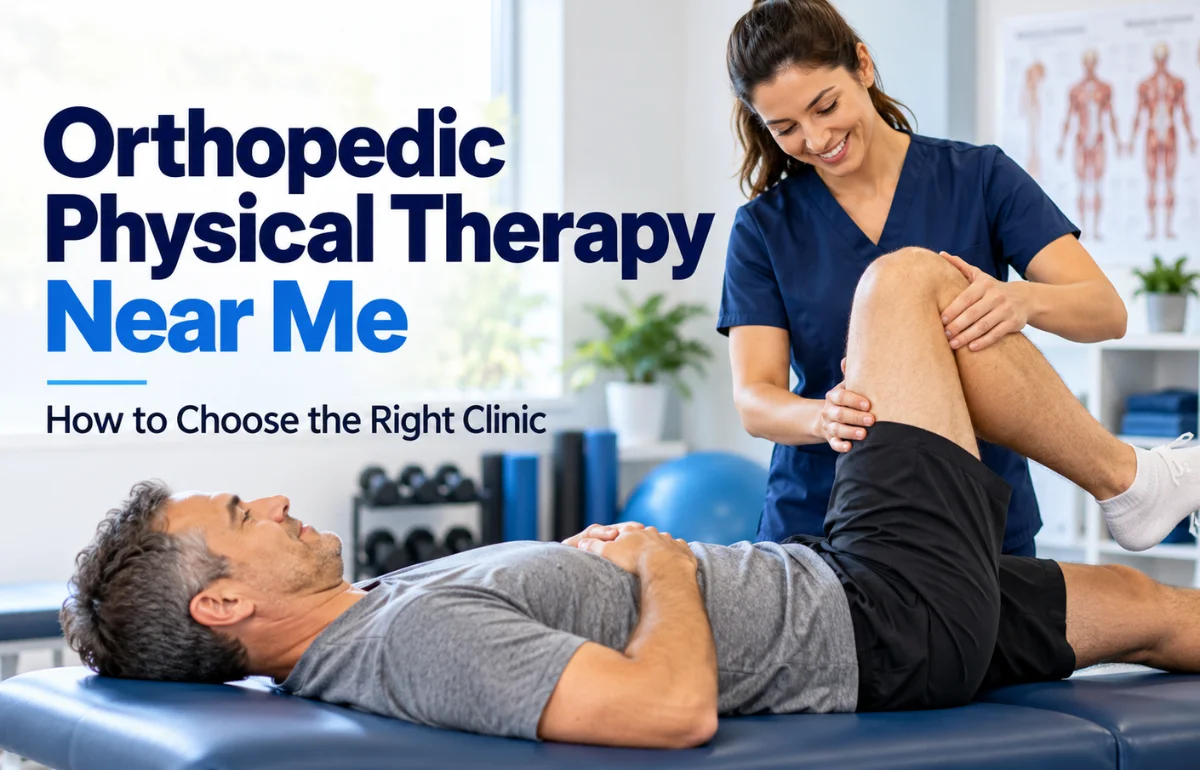
Your knee hurts halfway up the stairs. Your shoulder refuses to cooperate when you reach for a shelf. And your back? It has apparently decided that sitting through an entire workday is asking too much. At some point, pushing through the discomfort stops being a strategy and starts being a problem.
Orthopedic physical therapy can help people recover from injuries, improve mobility, and manage conditions affecting muscles, joints, bones, and connective tissues. Finding the right provider, however, takes more than choosing the first clinic that appears in a search. Experience, treatment methods, and convenience all deserve a closer look.
The Nearest Clinic Isn’t Always the Best One
Searching for “orthopedic physical therapy near me” is a sensible first move. After all, rehabilitation may involve repeated visits, and nobody wants to spend more time driving to appointments than actually working on recovery. Still, proximity tells you very little about a therapist’s expertise.
Start by checking whether the clinic treats your particular condition. Recovering from a rotator cuff injury requires a different rehabilitation strategy from managing knee osteoarthritis or rebuilding strength after spinal surgery. A provider familiar with your diagnosis may be better equipped to develop an appropriate treatment plan.
Look for licensed physical therapists with experience in orthopedic rehabilitation. If your goal is to return to running, lift weights without pain, or simply walk comfortably again, make sure the clinic understands what that goal involves. Convenience matters. Relevant experience matters more.
Ask What Happens After the First Appointment
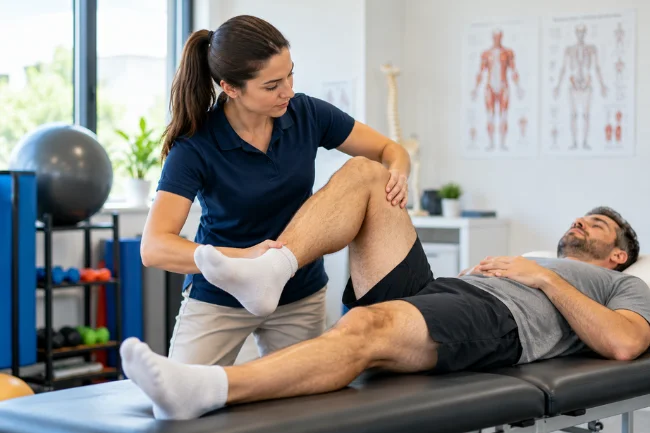
Physical therapy should involve more than a few exercises and a cheerful instruction to repeat them at home. Effective rehabilitation begins with understanding how your body moves and what is preventing you from moving comfortably.
During an initial assessment, a physical therapist may evaluate your strength, flexibility, range of motion, symptoms, and medical history. These findings help shape a plan around your current abilities and recovery goals.
Treatment might include targeted strengthening, mobility exercises, balance training, manual therapy, or advice on modifying daily activities. The right combination depends on your condition.
Ask how the therapist will track progress and adjust your exercises as you improve. A program that never changes, even when your abilities do, deserves a second look.
And speak up if an exercise causes unexpected or worsening pain. Rehabilitation can involve some discomfort, but you should understand what is expected and when a symptom needs attention.
Check the Practical Details Before Committing
A clinic can have excellent credentials and still be a poor fit for your schedule or budget. That’s why the administrative questions are worth asking before your first visit.
Check if the provider accepts your insurance, or if your plan requires a referral. Check what out-of-pocket costs you might have. Ask about appointment availability and cancellation policies, and about options for scheduling sessions around work or family responsibilities.
When comparing physical therapy near me options, think about how manageable the whole experience will be. Consistent attendance is easier when appointments fit your routine, and when communication with the clinic is straightforward.
Ask whether you will receive a home exercise program or not. Practicing the exercises between appointments can be a key part of rehabilitation, and it can give you a way to work toward your goals outside the clinic.
Know What Meaningful Progress Looks Like
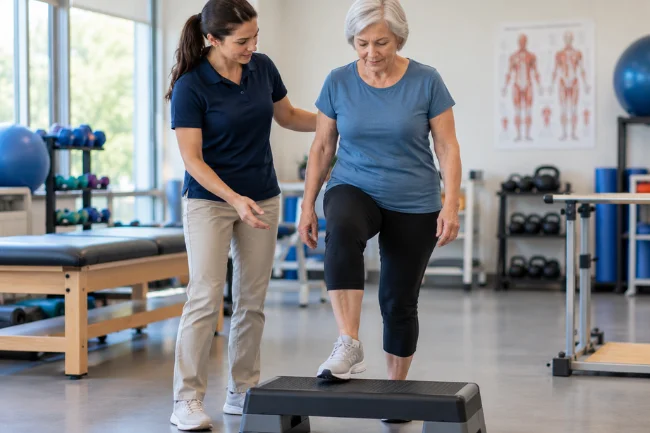
Recovery is not always a before-and-after story. Sometimes progress means climbing stairs, regaining shoulder movement with discomfort. Sometimes it means standing long enough to prepare dinner without needing a break.
A good therapist measures improvements that matter to your life, including strength, mobility, balance and the ability to perform specific activities. Regular reassessment helps determine whether the plan is working or needs adjustment.
When you compare physical therapy near me options, ask what happens if progress stalls, whether the therapist will revise the program, or whether the therapist will recommend further medical evaluation if symptoms lead to another problem.
Seek medical attention if you have concerning symptoms such as new or progressive weakness, major trauma or back pain that comes with loss of bladder or bowel control.
Choose a Clinic That Works With You
The best physical therapy provider combines experience, clear communication and a treatment plan built around your goals. They also make sure you understand what you are working toward and feel comfortable discussing setbacks along the way.
Take time to compare your options and ask questions. The right choice should help you rebuild confidence in your movement, manage symptoms and return to the activities you have been missing.

Claire Morgan is a health and wellness writer with 7 years of experience creating clear, research-informed content on nutrition, sleep, movement, preventive habits, and everyday wellbeing. She focuses on making reliable health information practical and easy to understand. Her articles are educational and do not replace professional medical advice.