Introduction
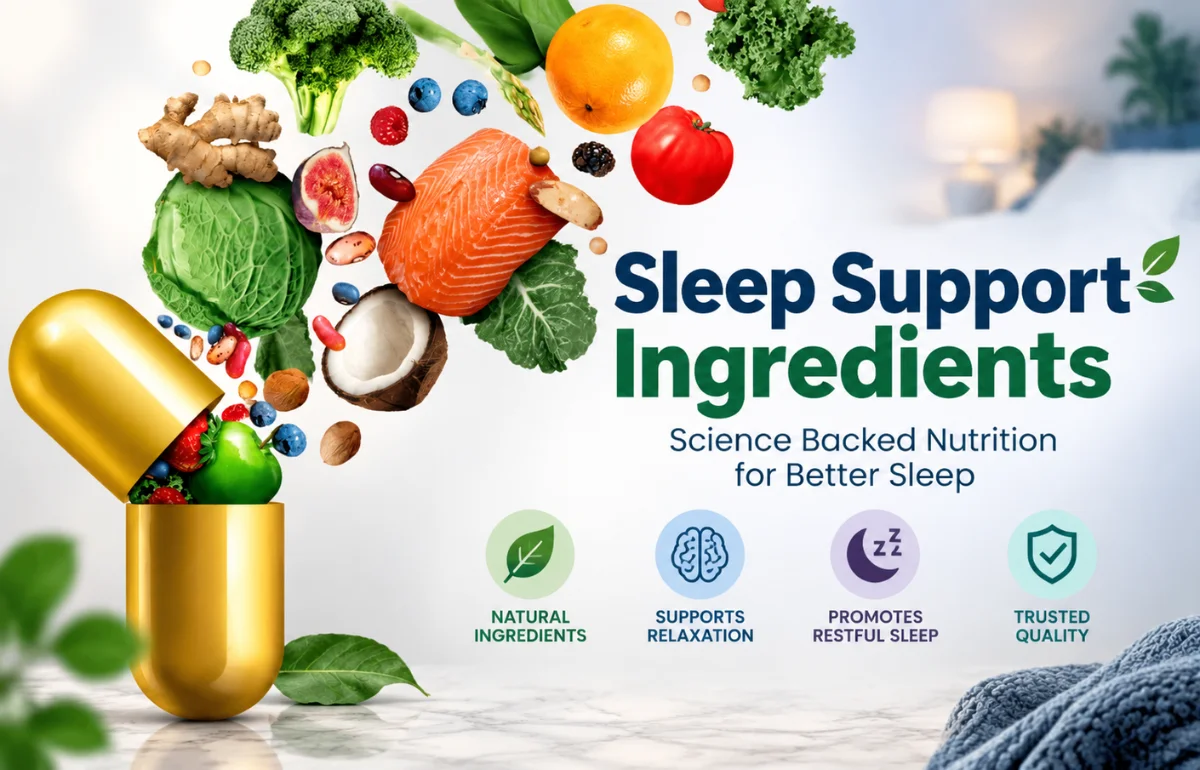
The global wellness space has seen a dramatic transformation in the last 10 years, and one could argue that today, sleep is the driving force. Consumers are no longer willing to settle for an uninformative supplement; they want to know what’s in the bottle, the source, and they want to see the consistency. This is putting a considerable emphasis on the quality, transparency, and reliability of the ingredients and supply chain. Brands creating products that focus on sleep need to be aware of where these products are used, how they are tested, and how the sourcing of these raw materials impacts the efficacy of the product.
In this article, we examine the importance of sourcing and the science behind some commonly used compounds that promote sleep in the nutraceutical field, as well as the importance of careful formulation choices in achieving consumer benefits.
Why Ingredient Sourcing Determines Product Success
All good supplements start with the raw ingredient itself. Collaborating with a trusted nutraceutical ingredients supplier provides brands with the benefits of having standardized, quality-tested compounds that have the compliance of the regulatory requirements of various markets. Poorly sourced ingredients may result in fluctuations in dosage, bacterial contamination, and unreliable performance levels, which could erode customer confidence.
A reliable supplier will usually be able to offer certificates of analysis, documentation of third-party testing, and traceability documents to assure purity and origin. The degree of transparency is becoming commonplace, not an option, particularly with regulatory agencies cracking down on the manufacturing of supplements in the U.S., the EU, and Asia Pacific.
The global nutraceuticals market was worth more than 400 billion dollars in recent years, mostly due to consumer demand for functional, evidence-based ingredients, according to industry reports by Grand View Research. Ethical brands that do their best to ensure their sourcing will be more credible in a quickly competitive marketplace.
The Science Behind Sleep and Nutrition
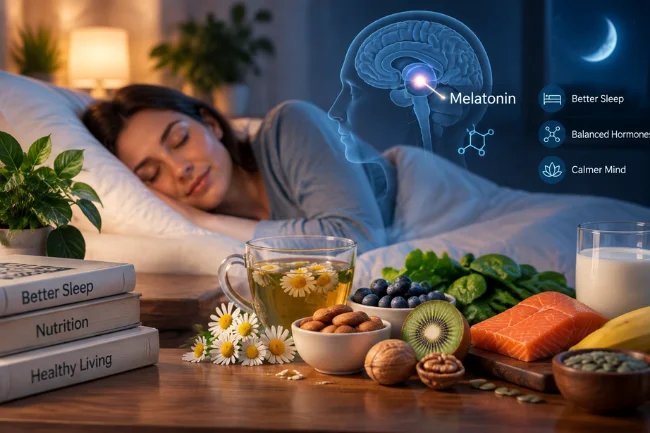
Sleep is an organising process that involves several systems functioning in the organism, such as the circadian rhythm and the balance between neurotransmitters and hormone release. Known as the sleep hormone, melatonin is naturally produced by the pineal gland in reaction to darkness, thus indicating that it is time to sleep.
But in today’s modern lifestyles with too much screen time, irregular schedules, and chronic stress, the natural cycle is often disturbed. In recent years, nutritional science has also proved that certain nutrients can help the body unwind, relax, and fall asleep in a natural way without dependency issues that appear with pharmaceutical sedatives, which act as sedatives.
Amino acids, plant extracts, and minerals have been researched for effects on gamma aminobutyric acid (GABA), a sh calming neural factor. By understanding these physiologic pathways, formulators can choose ingredients that have a better mechanism of action and not just those the marketer says they have.
Common Compounds Used in Sleep-Focused Formulations
A range of natural compounds have been explored for their ability to promote a good night’s sleep, and there are different classes of compounds that have different mechanisms of action.
Amino Acids and Their Calming Effects
L-theanine is an amino acid found naturally in green tea leaves, which has been researched for its effects in promoting relaxation during the day without drowsiness. Alpha brain waves are associated with a calm state of wakefulness that can help downregulate the mind prior to sleep. A number of clinical studies indicate that L-theanine could promote alpha brain wave activity in the brain.
Botanical Extracts With Traditional Use
Valerian root and chamomile, used to treat ailments, have been part of the traditional medicinal treatment of European and Asian cultures for centuries. The use of valerian in traditional medicine has also been studied in the modern era; some clinical trials have demonstrated that standardized valerian extracts do produce significant improvements in sleep latency and sleep quality in humans.
Minerals That Support Nervous System Function
A major role in the regulation of the nervous system, and deficiencies were associated with poor sleep quality in several observational studies, was assigned to magnesium. The ability of bioavailable magnesium forms, like magnesium glycinate, to be slowly absorbed has made it a popular choice for sleep supplement formulations.
Formulating With Purpose: Sourcing High-Quality Sleep Aid Ingredients
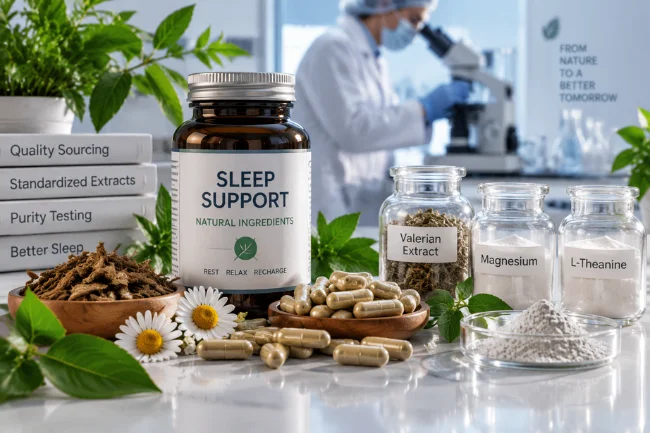
When the science is mastered, the next hurdle for any brand is putting it into a helping product that comes through the line every time. It’s vital to find manufacturers that invest in quality control in the sleep aid ingredients, in the process of extraction itself, and in the stability testing of the ingredients.
For this reason, the concentration of the ingredients can make a huge difference – for example, a standardized valerian extract that is a defined percentage of valerenic acid will have a significantly different effect in the body than an unstandardized extract even though it might be called the same name on its packaging!
Likewise, particle size and solubility influence the rate of body absorption of either magnesium or amino acid compounds. Experienced suppliers provide technical documentation, existing research-based dosage information, and help with navigating the regulatory environment in various regions. This teaming approach minimises formulation errors and can help to ensure that the final product will live up to its claim, thus safeguarding consumer health and brand integrity.
Regulatory Considerations and Consumer Trust
The regulations governing the supplement business vary on a country-by-country basis. The FDA in the USA classifies most ingredients that help with sleep as dietary supplements, which means that they’re not subjected to the same rigorous review as pharmaceutical drugs are before they launch on the market.
This puts more pressure on manufacturers and suppliers to assess how their business will be self-regulated in the future, particularly in terms of voluntary quality standards, which include Good Manufacturing Practice certification. Consumers are increasingly aware of these differences, with additional interest in the source of ingredients and third-party testing prior to buying.
Easing the way into the purchasing paradigm dictated by these key tenets—experience, expertise, authoritativeness, and trustworthiness—the following brands were candid about their sourcing partners and quality assurance processes, creating stronger, longer-term relationships with their customers.
Conclusion
But the merging of a science of ingredients and responsible sourcing is setting the stage for sleep support formulations of the future. Consumers are increasingly demanding transparency and proven effectiveness, so brands can’t just follow the market’s pulse and must invest in a deeper understanding of the interplay between each compound and the natural sleep mechanisms in the body. Ingredients – whether amino acids, botanicals, or essential minerals – in products aimed at sleep have a true physiological meaning when used and formulated appropriately.
Businesses that focus on quality, transparency, and scientific research will be best suited to generate consumer confidence and provide products that truly help promote sleepable and restorative sleep.
⚠️ Disclaimer
This article is for informational purposes only and is not a substitute for professional medical advice. Always consult a qualified healthcare professional before using supplements or making changes to your health routine. Individual results may vary.

Dr. Hannah Collins is a nutrition and diet specialist with 13+ years of experience helping people make informed food choices and develop healthier eating habits. She shares evidence-based nutrition guidance focused on balanced diets, meal planning, healthy lifestyles, and sustainable wellness.