

Top Graphic Design Trends 2026: The Ultimate Visual Guide
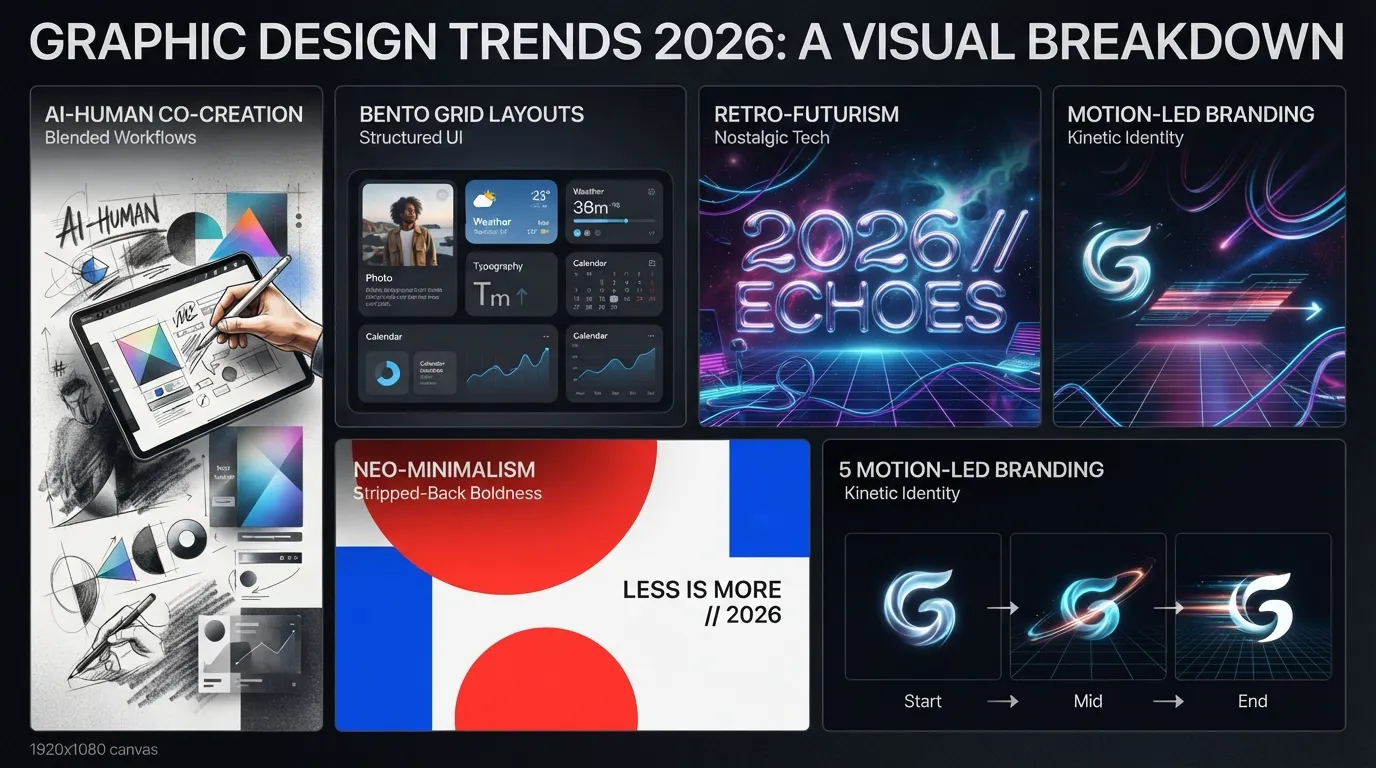
The visual landscape in 2026 marks a decisive pivot away from sterile digital perfection toward hyper-authentic, human-centric design augmented by artificial intelligence. Today, static brand aesthetics governed by rigid guidelines are obsolete. Modern identity systems must act as living, interactive experiences that adapt seamlessly across fluid media platforms while maintaining a distinct personality.
This year’s visual direction centers on balancing high-tech precision with raw artistic expression. The dominant trends reshaping the industry include AI-human co-creation, structured Bento layouts, high-saturation minimalism, retro-futurism, and motion-led dynamic branding.
Trend 1: AI-Human Co-Creation & Imperfect Aesthetics
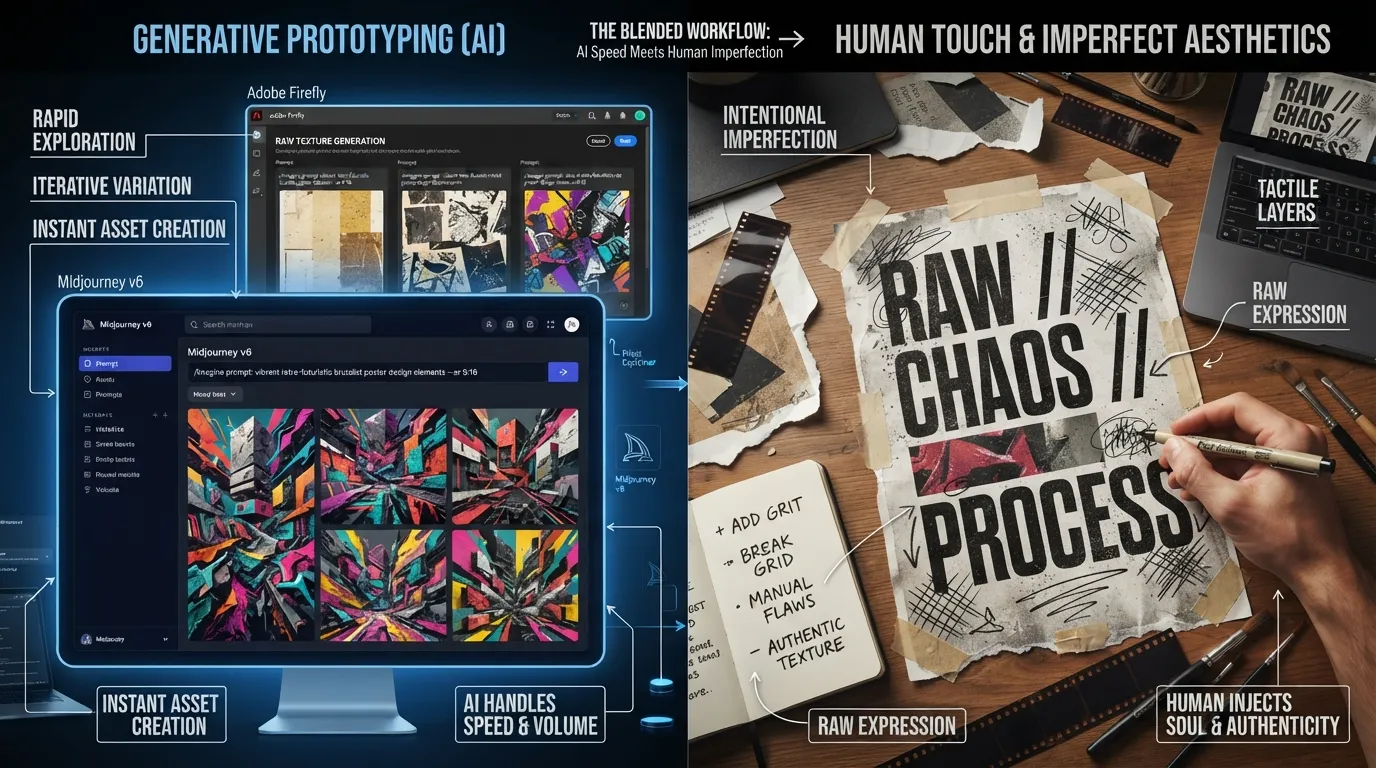
The integration of artificial intelligence tools like Midjourney and Adobe Firefly has evolved from full automation to a collaborative prototyping workflow. Designers no longer rely on AI for finished outputs; instead, they utilize generative algorithms for rapid iteration, mood boarding, and foundational assets before applying deliberate human craftsmanship. This hybrid workflow bridges raw computational speed with nuanced creative control.
Concurrently, a visual counter-response called “Imperfect by Design” has emerged to combat algorithmically generated homogeneity. Designers are intentionally introducing organic flaws into digital layouts—mixing raw hand-drawn sketches with clean vectors, applying tactile film grain, and leveraging asymmetrical grid breaks.
This shift heavily influences modern brand identity. Forward-thinking agencies are adopting brutalist layouts and unpolished textures to signal transparency and human authenticity. By pairing high-tech efficiency with intentionally imperfect aesthetics, brands stand out in an over-saturated digital market that craves genuine human touch.
Trend 2: Bento Grid Layouts in Web & UI Design
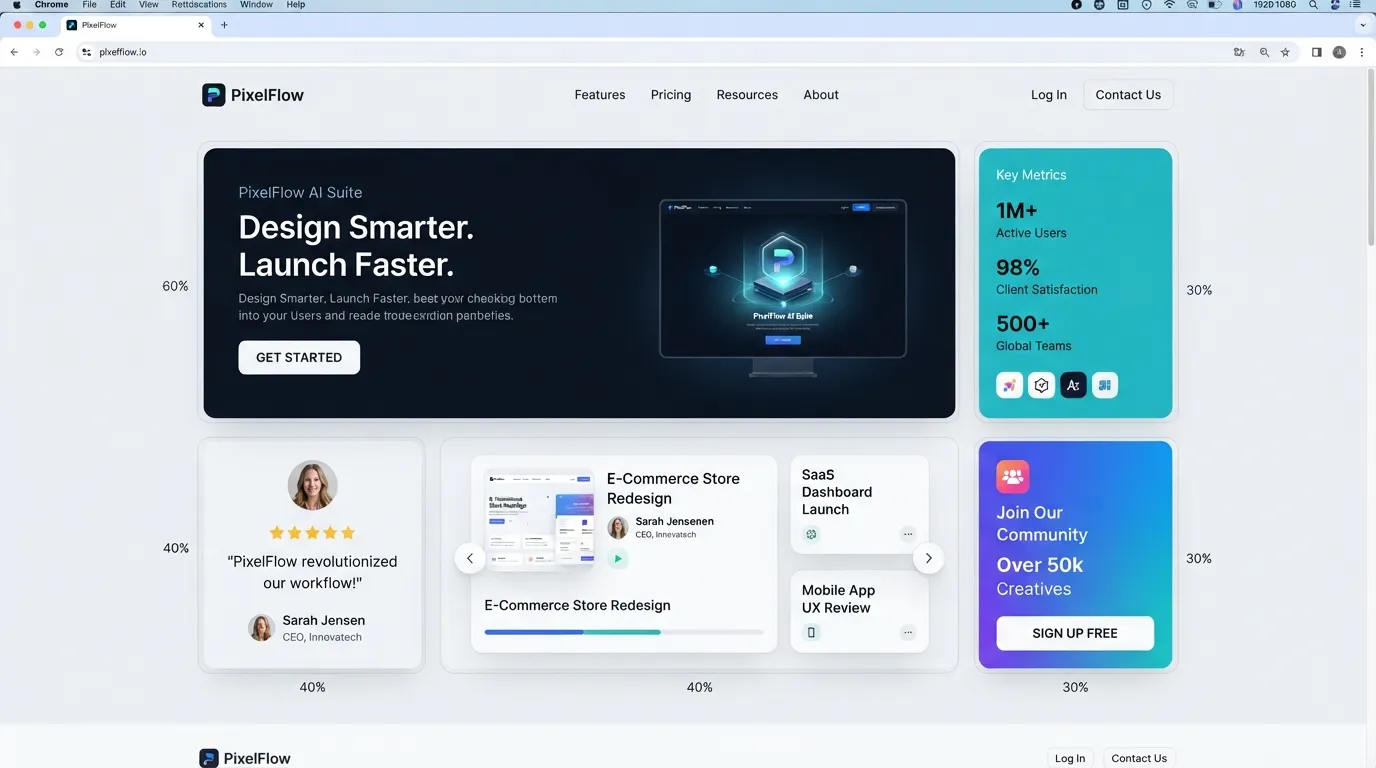
Originally popularized by Apple and major tech pioneers, the Bento Grid layout has transcended UI design to become a core standard across digital graphic design and social media branding. Inspired by traditional compartmentalized Japanese lunchboxes, this design style organizes content into distinct, rounded visual cells that form a unified, modular grid.
The primary strength of the Bento Grid lies in its exceptional information architecture. It breaks down complex datasets, feature lists, and dense visual media into clean, easily scannable compartments. By establishing a clear visual hierarchy, it prevents cognitive overload while keeping the overall design structured and aesthetically pleasing.
Today, this layout is heavily utilized in landing pages, SaaS product showcases, marketing carousels, and portfolio sites. Designers leverage varying cell sizes and subtle background contrasts within the grid to highlight key features, making it an indispensable tool for modern screen-first visual communication.
Trend 3: Retro-Futurism & Chrome Aesthetics
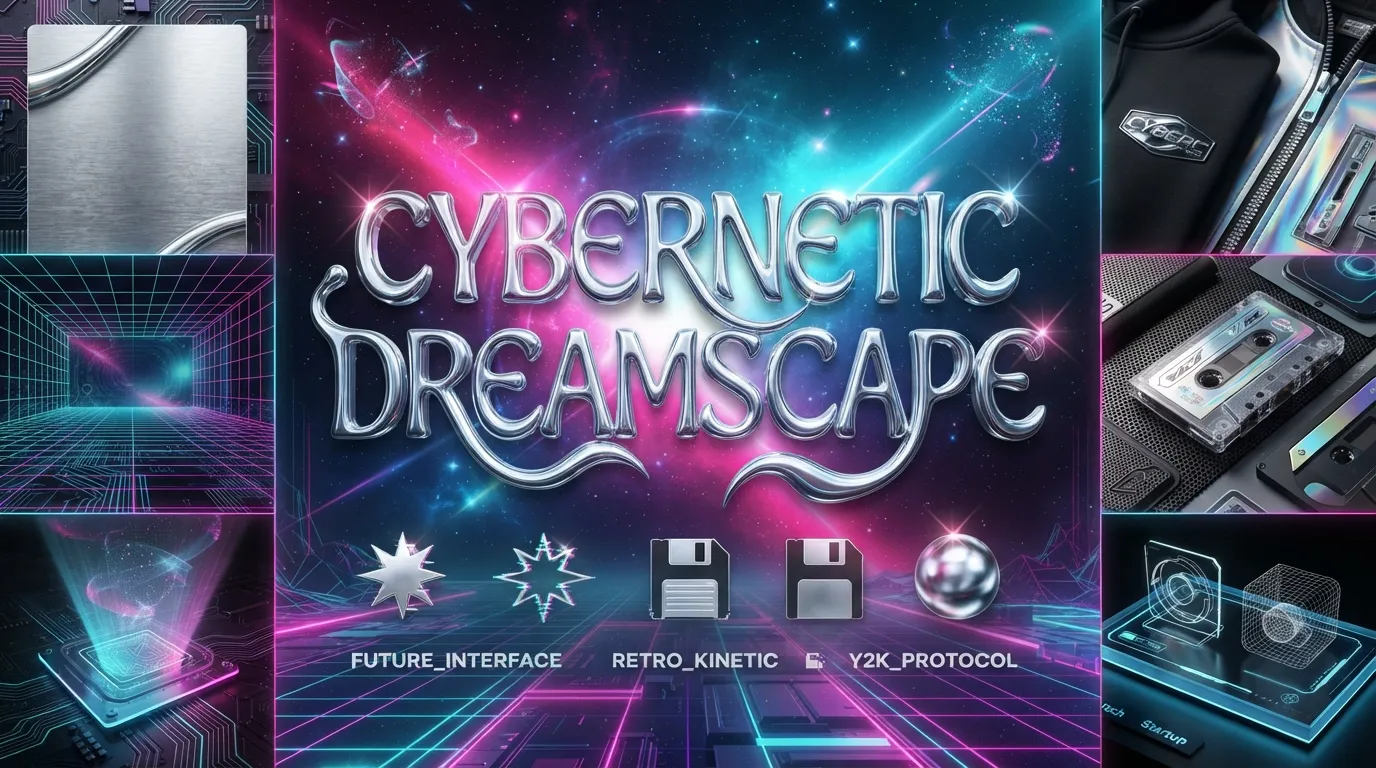
A captivating blend of nostalgia and speculative sci-fi, Retro-Futurism continues its dominance in 2026 by combining Y2K/Y3K digital optimism with modern high-end rendering. This trend reimagines how past generations envisioned the future, creating a distinct visual dialect that feels simultaneously nostalgic and cutting-edge.
The core visual elements of this aesthetic rely heavily on metallic chrome textures, fluid 3D liquid typography, and high-contrast cosmic neon palettes. Metallic gradients and reflective surface details give digital assets a tactile, three-dimensional depth, while surreal glowing lighting effects draw immediate visual attention on digital screens.
This bold style is particularly powerful for high-impact visual branding. It has become the go-to aesthetic for music album packaging, streetwear apparel branding, gaming graphics, and innovative tech startups. By tapping into retro-futuristic themes, brands can project a forward-thinking, rebellious identity that strongly resonates with Gen Z and millennial audiences.
Trend 4: Neo-Minimalism & High Saturation
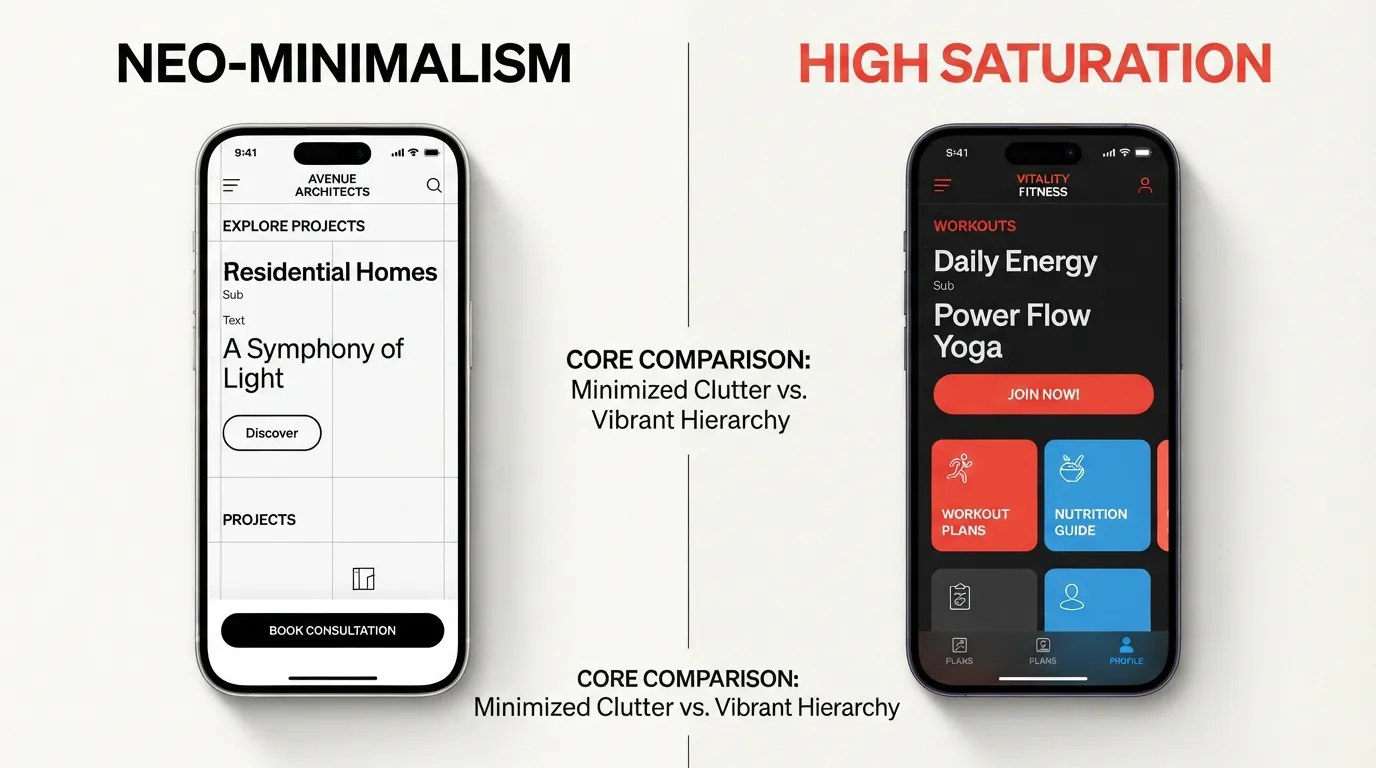
Traditional, stark monochrome minimalism is stepping aside for Neo-Minimalism, a dynamic evolution that trades lifeless white backgrounds for striking, high-energy color palettes. Rather than relying on muted neutral tones, this modern aesthetic pair structured, clutter-free layouts with intensely vibrant shades like Bolder Red, electric ambers, and Ethereal Blues.
The central focus of Neo-Minimalism is the intentional pairing of spatial simplicity with high-contrast color blocking. By keeping typography sharp, whitespace generous, and grid layouts functional, the high-saturation colors do the heavy lifting to create instant visual drama without crowding the composition.
This approach delivers massive value for screen-first branding. On mobile displays and fast-scrolling feeds, muted designs often get overlooked. Neo-Minimalism allows digital platforms, modern e-commerce sites, and app interfaces to command immediate consumer attention while maintaining a clean, highly readable visual structure.
Trend 5: Motion-Led Branding & 3D Interactive Graphics
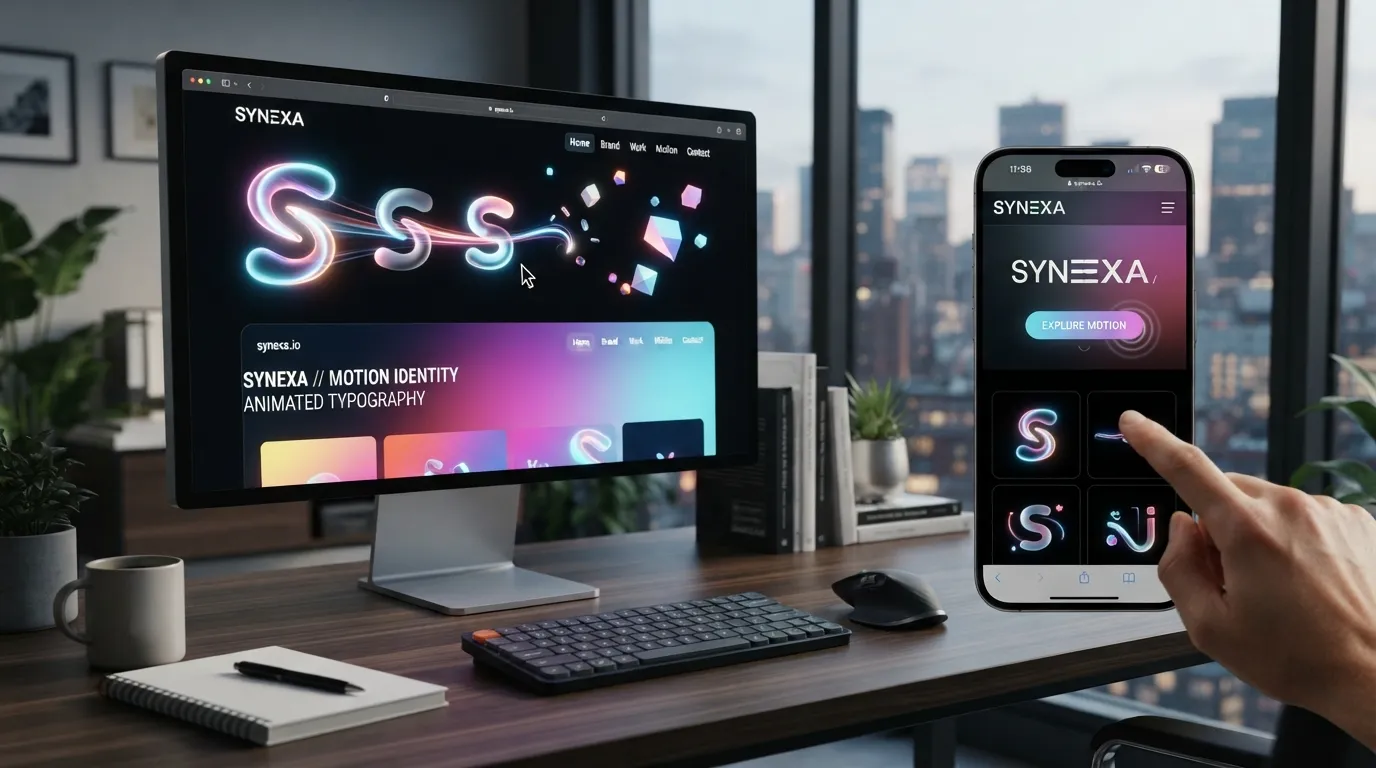
Static brand identities are rapidly becoming obsolete in digital environments. In 2026, motion-led branding has taken center stage, replacing traditional flat assets with fluid, kinetic logos and dynamic visual systems that adapt seamlessly to user interactions across web and mobile interfaces.
The defining elements of this trend include subtle micro-animations, floating 3D graphic objects, kinetic typography, and responsive interactive hover states. Rather than serving as mere decoration, these animated components guide user focus, enhance interface feedback, and create an immersive digital experience that feels alive and responsive.
This shift carries immense commercial value for modern businesses. Digital-first brands, SaaS platforms, and e-commerce companies are heavily investing in interactive visual assets because dynamic motion design dramatically improves visual storytelling, prolongs time-on-page, and directly boosts overall user engagement and conversion rates.
Quick Summary: Top Graphic Design Trends at a Glance
To help you choose the right visual strategy for your next project, here is a quick breakdown of the key graphic design trends dominating 2026:
| Trend Name | Core Visual Element | Best Used For |
|---|---|---|
| AI-Human Co-Creation | Organic flaws, film grain, mixed media | Authentic branding & editorial layouts |
| Bento Grid Layouts | Compartmentalized, modular rounded cells | Web landing pages & product showcases |
| Retro-Futurism | Metallic chrome, liquid 3D typography | Music packaging & tech startup identity |
| Neo-Minimalism | High-saturation colors & clean whitespace | Mobile apps & screen-first branding |
| Motion-Led Branding | Kinetic logos & 3D micro-animations | SaaS platforms & e-commerce conversion |
Navigating the Future of Graphic Design
The visual landscape of 2026 is defined by a powerful synergy between high-speed digital innovation and genuine human originality. Whether leveraging AI tools, building modular Bento layouts, or experimenting with motion graphics, successful design no longer relies on rigid perfectionism—it thrives on adaptability, authenticity, and high visual impact.
Final Advice: While adopting these trends is essential to stay relevant, brands must never lose sight of their core identity. Use these modern styles as creative vehicles to amplify your distinct brand story rather than replacing it.
Ready to transform your brand’s visual presence? Select one or two of these key 2026 trends and begin experimenting with them in your next design campaign today!