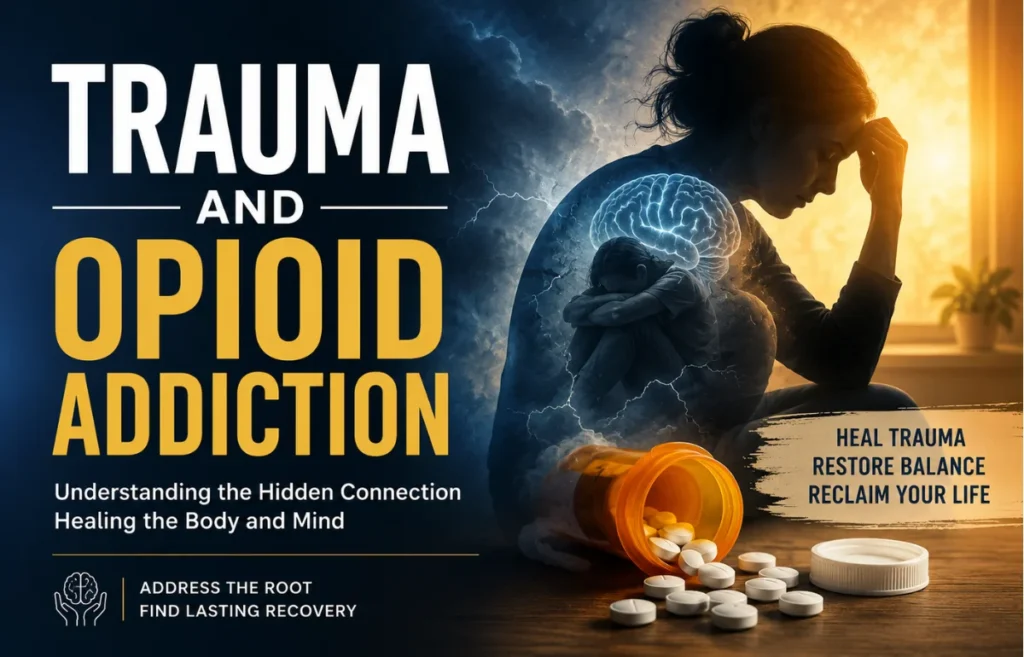
Seeking help for addiction takes courage, and the last thing anyone needs during that process is to feel criticized for reaching out for support. For someone struggling with painful past experiences, lingering shame, or emotional trauma, entering rehab may feel overwhelming rather than hopeful, making it difficult to let their guard down and trust the process.
That changes how we think about recovery. What if effective addiction treatment starts with making people feel safe enough to accept help?
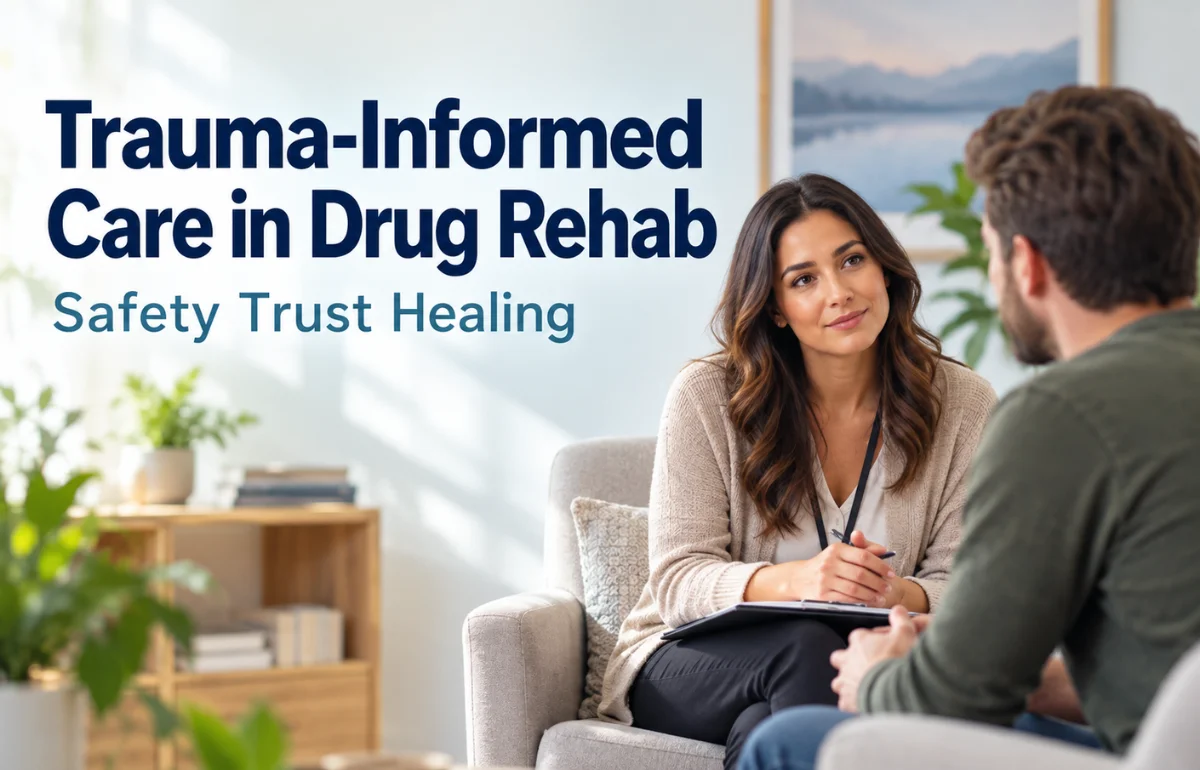
That’s the thinking behind trauma-informed care. In drug rehab, it means recognizing that a person’s history can influence their substance use, their relationships with treatment providers, and how comfortable they feel asking for support. It also means treating people with respect instead of expecting trust to appear on command.
Safety First. Everything Else Follows.
Trauma is caused by abuse, neglect, violence, accidents or other frightening experiences. Its effects are not always obvious. Some people have trouble with anxiety or intrusive memories. Some people have trouble trusting people, managing stress, or feeling safe in new places.
For some, drugs or alcohol become a way to quiet those feelings, even if the relief doesn’t last.
Trauma-informed care is mindful of this possibility, but does not assume that everyone with a substance use disorder has experienced trauma. SAMHSA, the Substance Abuse and Mental Health Services Administration, calls it an approach that helps you understand the impact of trauma, identify possible signs, adjust care and not do things that might re-traumatize.
In practice, that can start with surprisingly ordinary things: explaining program rules clearly, protecting confidentiality, and telling clients what to expect before an assessment. No mystery, no unnecessary surprises. Just a setting where people can focus on getting better rather than wondering what might happen next.
Trust Is Not a Checkbox

A person who has experienced trauma may not wish to share personal details, particularly with someone they’ve just met. Pressuring them to open up can backfire, even when a counselor has good intentions.
Trauma-informed professionals know that trust is built through consistency. They are listeners who don’t judge, who explain their recommendations and who meet setbacks with curiosity rather than immediate criticism.
Imagine a person returning to substance use after making meaningful progress in their recovery journey. A judgmental response may be only about what was wrong. A more constructive conversation looks at the circumstances, identifies possible triggers and considers what support could help next time.
And the difference matters. People are more likely to discuss difficult experiences honestly when they don’t expect every admission to become another reason to feel ashamed.
Give People a Say in Their Recovery
Treatment shouldn’t feel like surrendering every personal decision at the door.
Trauma-informed care prioritizes consultation and collaboration with the client, encouraging them to participate actively in the treatment. This includes engaging clients in treatment planning, making specific decisions about their treatment, and understanding what may trigger their trauma. This approach encourages greater independence by allowing clients to explore available treatment options and have a say in choosing the care that best suits their needs.
This does not mean that all wishes can be accommodated, as the clinical decision still needs to involve the staff. However, consulting clients and offering some options that the social worker will accept can help them re-establish control over their life, which is often lost due to traumatic experiences. The ability to decide over certain aspects of the treatment might be very limited. Still, asking clients for any preferences they may have would already be a positive step towards healing.
Treat the Whole Person, Not Just the Substance Use

People struggling with substance use may also experience mental health challenges that require attention and care. If a person has symptoms of trauma, treatment providers may address addiction issues in combination with psychotherapy, mental health counseling, or other treatments to manage trauma.
Moreover, getting psychological help after a traumatic event can be challenging, but it is necessary to overcome substance abuse and related mental health disorders. Working with qualified professionals is equally important, as they can help individuals understand that healing does not require them to revisit painful memories before they feel ready.
Trauma-focused treatment can begin only when an individual is ready to talk about what happened. In addition, finding a peer group that understands one’s addiction struggles can be helpful. Such support increases motivation to change and reduces feelings of loneliness and hopelessness. After completing a formal treatment program, people may continue their recovery with the help of individual counseling, mutual self-help meetings, and other services.
Choosing a Trauma-Informed Drug Rehab Program
When assessing treatment programs, don’t just look for vague claims of compassionate care. Ask how they train staff to deal with trauma-related issues, if they provide mental health services, and how involved clients are in treatment decisions. Find out about confidentiality, peer support, and aftercare planning, too.
Trauma-informed care won’t make recovery effortless, and it doesn’t replace evidence-based addiction treatment. What it can do is make treatment more respectful, responsive, and supportive.
Recovery involves much more than simply leaving harmful habits behind. It’s also about building a life in which a person has healthier ways to handle pain, face difficult moments, and ask for help without feeling that they have failed.
♥ A Gentle Reminder: Medical Disclaimer
Everyone’s recovery journey is different, and finding the right support matters. This article is intended for general information only and does not replace professional medical advice, diagnosis, or treatment. If you or someone you care about is struggling with addiction or trauma, consider reaching out to a qualified healthcare professional for personalized guidance.

Sophia Bennett is a mental health writer with 8 years of experience creating thoughtful, research-informed content about emotional wellbeing, stress management, mindfulness, self-care, and healthy coping strategies. She focuses on making mental wellness topics easier to understand while encouraging readers to seek support from qualified mental health professionals when needed.