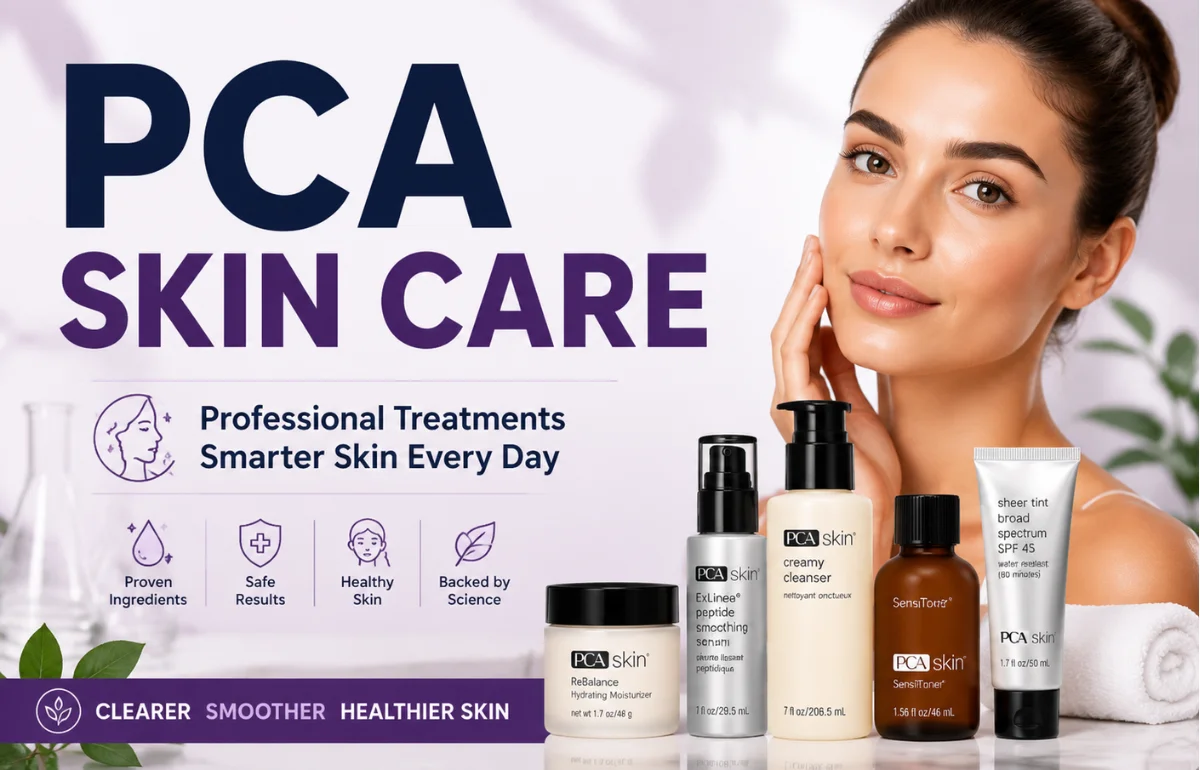
PCA Skin Care is a professional skincare system that combines in-clinic chemical peels with at-home products for concerns such as acne, uneven tone, dryness, sensitivity, and visible aging. Rather than referring to one cream or one peel, the term covers a coordinated approach: a trained provider may perform a customized PCA SKIN treatment, while cleansers, serums, moisturizers, retinol products, and sunscreen support the skin between appointments. The brand is especially known for professional peels, including modified Jessner-style formulations, but its daily-care range is equally central. I find this distinction useful because it explains the real goal of PCA Skin Care: not aggressive peeling for its own sake, but controlled treatment paired with consistent barrier care and sun protection.
What Makes PCA Skin Care Different?
PCA SKIN sits between ordinary retail skincare and provider-led aesthetic treatment. Its professional formulas are reserved for trained, certified professionals, while many daily-care products are available for home use. The brand organizes home routines around cleansing, correcting, hydrating, and protecting the skin.
Its professional identity comes largely from chemical peels. PCA SKIN says it pioneered a modified and enhanced Jessner’s peel using a blend that may include lactic acid, salicylic acid, kojic acid, citric acid, and resorcinol. Its professional range has expanded to include TCA blends, lactic blends, retinoid treatments, boosters, and peel alternatives.
That history does not mean every person needs a peel. When I assess a skincare system, I look first at the skin concern, barrier condition, current medications, sun habits, and tolerance for active ingredients. The brand name comes after those basics.
How the PCA Skin Care System Works
The system has two connected sides: professional treatments and daily home care. They can support each other, but they are not interchangeable.
Professional PCA Peels
A professional chemical peel uses a controlled chemical solution to exfoliate specific skin layers. Depending on its formula and depth, a peel may improve dullness, uneven texture, some types of acne, post-acne marks, fine lines, and certain forms of discoloration.
PCA SKIN markets peels for acne, aging, dullness, dark spots, sensitivity, and redness. The provider chooses the formula, layers, boosters, and aftercare according to the person’s skin. This customization is one reason professional supervision matters.
PCA Daily-Care Products
At-home PCA Skin Care products include facial cleansers, hydrating toners, acne treatments, pigment serums, vitamin C formulas, retinol treatments, peptide serums, moisturizers, masks, and broad-spectrum sunscreens.
The practical sequence is simple:
- Cleanse without leaving the skin tight.
- Apply one targeted correcting product.
- Add moisturizer based on oiliness and barrier needs.
- Finish the morning routine with broad-spectrum SPF 30 or higher.
That “one targeted correcting product” rule is my preferred starting point. Many skincare problems come not from choosing the wrong active, but from stacking too many useful actives at once.
| Feature | Professional PCA peel | PCA home-care routine |
|---|---|---|
| Where it is used | Licensed practice | At home |
| Main purpose | Controlled resurfacing and targeted treatment | Daily cleansing, correction, hydration, and protection |
| Strength | Higher and provider-adjusted | Lower and designed for repeated use |
| Downtime | Varies by peel depth | Usually none, though actives can irritate |
| Best role | Periodic treatment | Consistent maintenance |
| Safety priority | Trained application and aftercare | Gradual introduction and label directions |
Key Ingredients Found in PCA Skin Care
Formulas vary, so the current package should be your final ingredient reference. Several ingredient families appear repeatedly.
Exfoliating Acids
Lactic acid is an alpha hydroxy acid that exfoliates while supporting hydration. Salicylic acid is oil-soluble and often used for clogged pores and blemish-prone skin. Selected PCA products also use mandelic acid, azelaic acid, gluconolactone, and stronger professional acids.
Acids can improve texture and tone, but more exfoliation is not always better. Burning, persistent stinging, shiny tight skin, or sudden sensitivity can signal that the barrier needs a break.
Retinol
PCA SKIN offers retinol treatments aimed at aging, discoloration, acne, and sensitive skin. Retinol can support cell turnover and improve the look of fine lines, uneven tone, and clogged pores, but dryness and irritation are common when it is introduced too quickly.
I prefer starting one or two nights a week, followed by moisturizer, then increasing only if the skin remains comfortable. Retinoids should be avoided during pregnancy unless a qualified clinician gives specific guidance.
Brightening, Antioxidant, and Hydrating Ingredients
Vitamin C, niacinamide, kojic acid, azelaic acid, tranexamic acid, resorcinol derivatives, licorice extract, and glutathione appear across brightening or antioxidant formulas. Hyaluronic acid, glycerin, sodium PCA, panthenol, squalane, and emollients support hydration and comfort.
These gentler-looking products often determine whether an active routine remains tolerable. For pigmentation, sunscreen is equally central because UV exposure and visible light can keep dark marks active.
| Skin concern | Useful product category | Ingredients commonly considered | Main caution |
|---|---|---|---|
| Breakouts and clogged pores | Acne cleanser or treatment | Salicylic acid, mandelic acid, azelaic acid, retinol | Avoid stacking several drying products |
| Dark spots and uneven tone | Pigment serum or professional peel | Niacinamide, kojic acid, tranexamic acid, vitamin C | Irritation can worsen pigmentation |
| Fine lines and rough texture | Retinol, peptides, resurfacing products | Retinol, peptides, AHAs, antioxidants | Increase frequency slowly |
| Dry or dehydrated skin | Hydrating serum and moisturizer | Hyaluronic acid, glycerin, panthenol, squalane | Reduce exfoliation if skin feels tight |
| Redness or sensitivity | Gentle cleanser and barrier moisturizer | Humectants, soothing agents, niacinamide | Even gentle actives may trigger some users |
Who May Benefit From PCA Skin Care?
PCA Skin Care may suit someone who wants a structured routine and access to professional treatments under the same system. It may be relevant for acne-prone skin, uneven pigmentation, photoaging, rough texture, dehydration, or a routine that has stopped producing visible improvement.
Sensitive skin can use selected products, but “made for sensitive skin” does not guarantee zero reaction. A formula may contain retinol, acids, botanical extracts, or other ingredients that one person tolerates and another does not.
Darker skin tones need thoughtful treatment planning. Chemical peels can be used safely in skin of color, but aggressive treatment or poor aftercare can cause post-inflammatory hyperpigmentation or uneven lightening. Provider experience across skin tones matters as much as the peel label.
Anyone with active dermatitis, open sores, infection, a history of abnormal scarring, recent intensive procedures, or medications that increase sensitivity should speak with a dermatologist or treating clinician before a peel.
How I Would Build a PCA Skin Care Routine
A good routine should solve the main problem without creating a new one. I use an “active budget”: the skin can tolerate only a certain amount of exfoliation, retinol, acne medication, and professional treatment at one time.
Morning Routine
Start with a gentle cleanser. Add one hydrating, antioxidant, acne, or pigment serum if it directly supports your goal, then apply moisturizer as needed.
Finish with broad-spectrum, water-resistant SPF 30 or higher. This becomes even more relevant when using exfoliating acids, retinol, or pigment treatments.
Evening Routine
Cleanse thoroughly, especially after makeup or water-resistant sunscreen. Apply one treatment product, such as an acne gel, pigment serum, or retinol formula, then follow with moisturizer.
On non-treatment nights, use hydration and barrier support only. Those quiet nights often make a routine easier to maintain.
The Three-Signal Readiness Check
Before adding another active or booking a peel, I check three signals:
- Barrier comfort: no persistent burning, cracking, or unusual tightness.
- Active load: no crowded schedule of acids, scrubs, retinol, and acne treatments.
- Sun discipline: reliable daily sunscreen and limited direct exposure after treatment.
This check fills a gap I often see in product-centered advice. A routine may contain excellent ingredients and still fail because the skin is not ready for the total intensity.
What to Expect From a Professional PCA Peel
A consultation should come before treatment. Tell the provider about prescription skincare, isotretinoin history, cold sores, pregnancy, allergies, previous pigment changes, recent waxing, sun exposure, and other procedures.
During a light peel, you may feel warmth, tingling, or stinging. Afterward, the skin may look pink, feel dry, or flake for several days. Not everyone visibly peels, and visible shedding is not the measure of success.
Light peels may heal in roughly one to seven days, while medium and deep peels require longer recovery and closer medical care. Results from lighter peels are often cumulative, so several treatments may be recommended rather than one aggressive session.
Aftercare usually centers on gentle cleansing, moisturizer, avoiding picking or scrubbing, and strict sun protection. Contact the provider for severe burning, marked swelling, blistering, spreading redness, discharge, or worsening pain.
Common Mistakes to Avoid
The first mistake is copying professional peel strength at home. High-concentration chemical peel products can cause burns, infection, pigment changes, scarring, and disfigurement when used without proper supervision.
The second is using every treatment category at once. A salicylic acid cleanser, exfoliating toner, acne gel, retinol, and peel pads may each make sense alone, yet overwhelm the barrier together.
The third is chasing visible peeling. Healthy improvement can happen without sheets of skin coming off. More peeling may simply mean more inflammation.
Also avoid skipping sunscreen during pigment treatment or buying from unknown marketplace sellers. PCA SKIN recommends its website, certified professionals, and authorized retailers for authentic products.
Is PCA Skin Care Worth It?
PCA Skin Care is worth considering when you value professional guidance, targeted active ingredients, and a routine that connects clinic treatments with home maintenance. The range is broad, but that breadth can tempt people to overbuy.
I judge value by three questions: Does the product address a clearly defined concern? Can you use it consistently without irritation? Does it fit beside moisturizer and sunscreen? A premium product that sits unused is poor value, while a simple formula you tolerate and finish may be the better investment.
The Practical Takeaway
PCA Skin Care is best understood as a coordinated system, not a quick peel or a shelf full of strong products. Its professional treatments may support acne, texture, pigmentation, and visible aging, while daily products maintain hydration, barrier function, and sun protection.
Start with one concern, one targeted active, a dependable moisturizer, and daily SPF. For a professional peel or a complex condition, book a consultation with a dermatologist or PCA SKIN-certified provider experienced with your skin type and tone.
Frequently Asked Questions
What is PCA Skin Care used for?
It supports concerns such as acne, discoloration, rough texture, dryness, sensitivity, and visible aging through professional treatments and home-care products.
Is PCA Skin Care good for acne?
It may help acne-prone skin through salicylic acid, retinol, and professional peel options, but persistent or severe acne needs dermatology care.
How often should you get a PCA peel?
Frequency depends on peel depth, skin condition, and provider guidance. Light peels may be repeated every few weeks; stronger treatments need longer intervals.
Can sensitive skin use PCA Skin Care?
Selected products and customized peels may suit sensitive skin, but patch testing and slow introduction are wise because acids and retinol can irritate.
How long does peeling last after a PCA peel?
After a light peel, dryness or flaking may last several days, often within a one-to-seven-day healing window. Deeper peels need longer recovery.

Mia Anderson is a skincare writer with 8 years of experience creating practical, research-informed content about skincare routines, skin health, ingredients, and everyday self-care habits. She focuses on helping readers understand skincare choices through simple explanations and realistic routines while encouraging professional advice for specific skin concerns.